
Last updated November 23, 2026
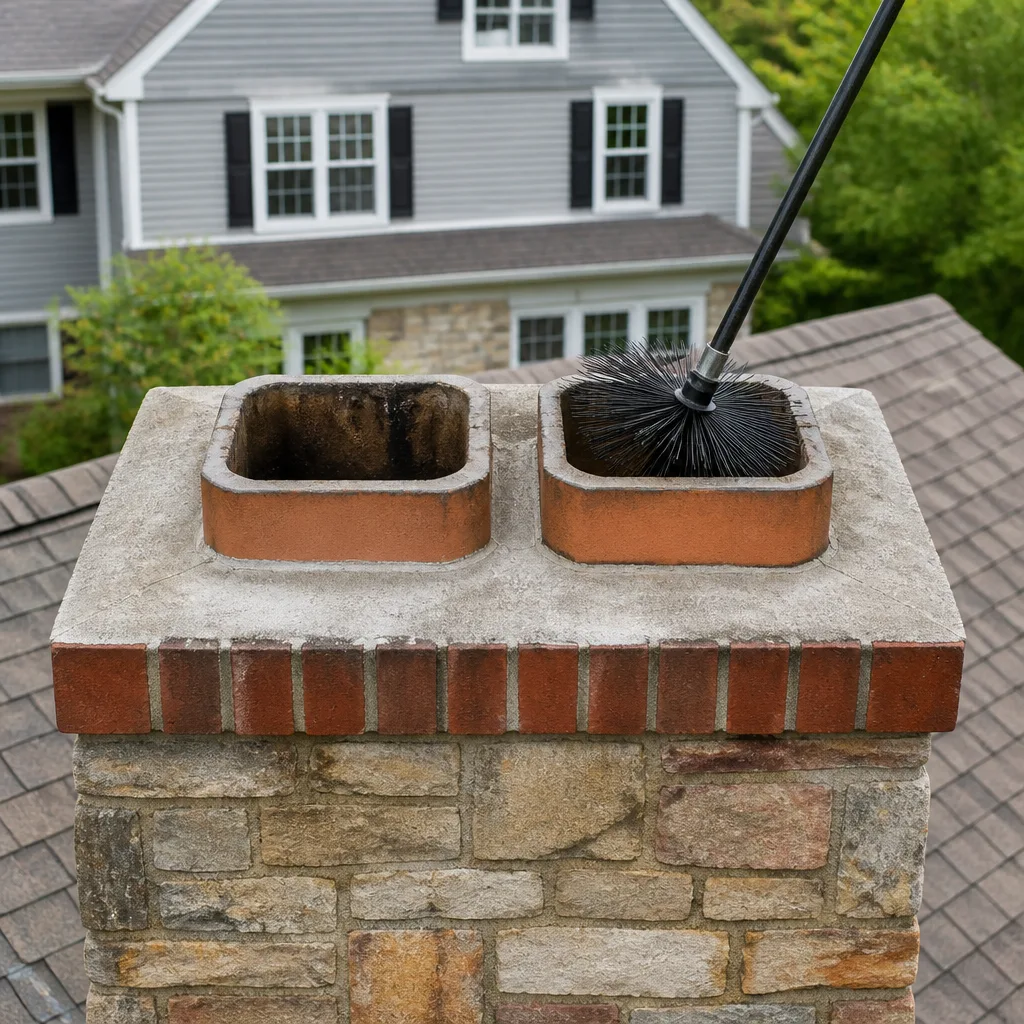 Sweep & inspection
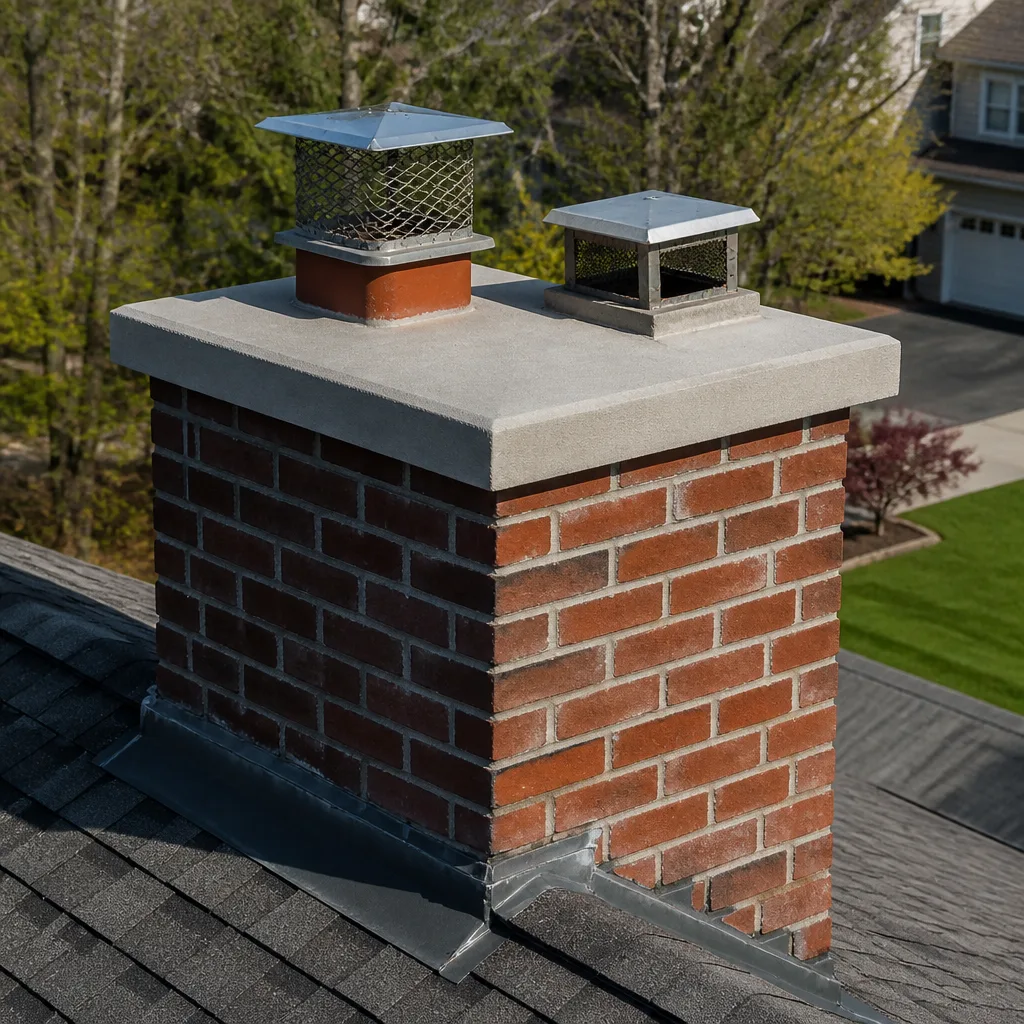 Caps & crowns
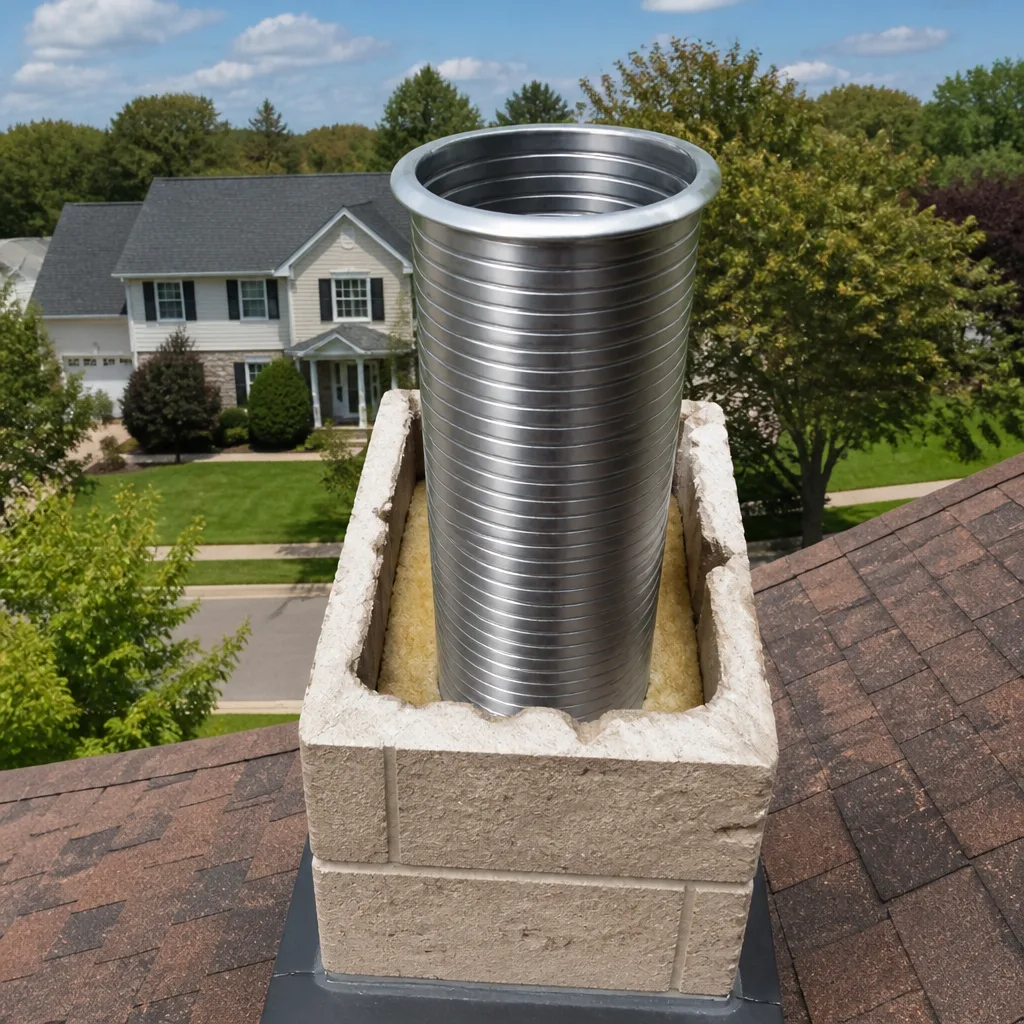 Flue relining
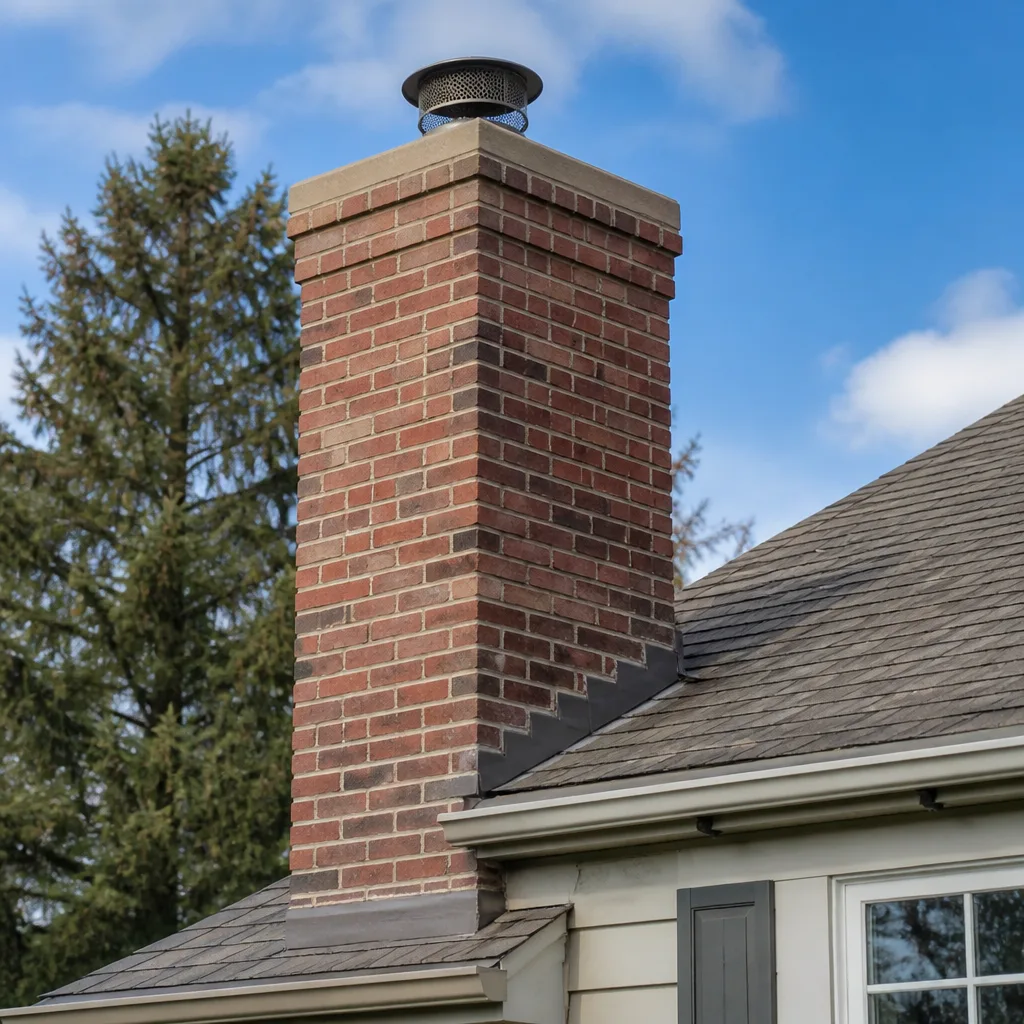 Masonry repair
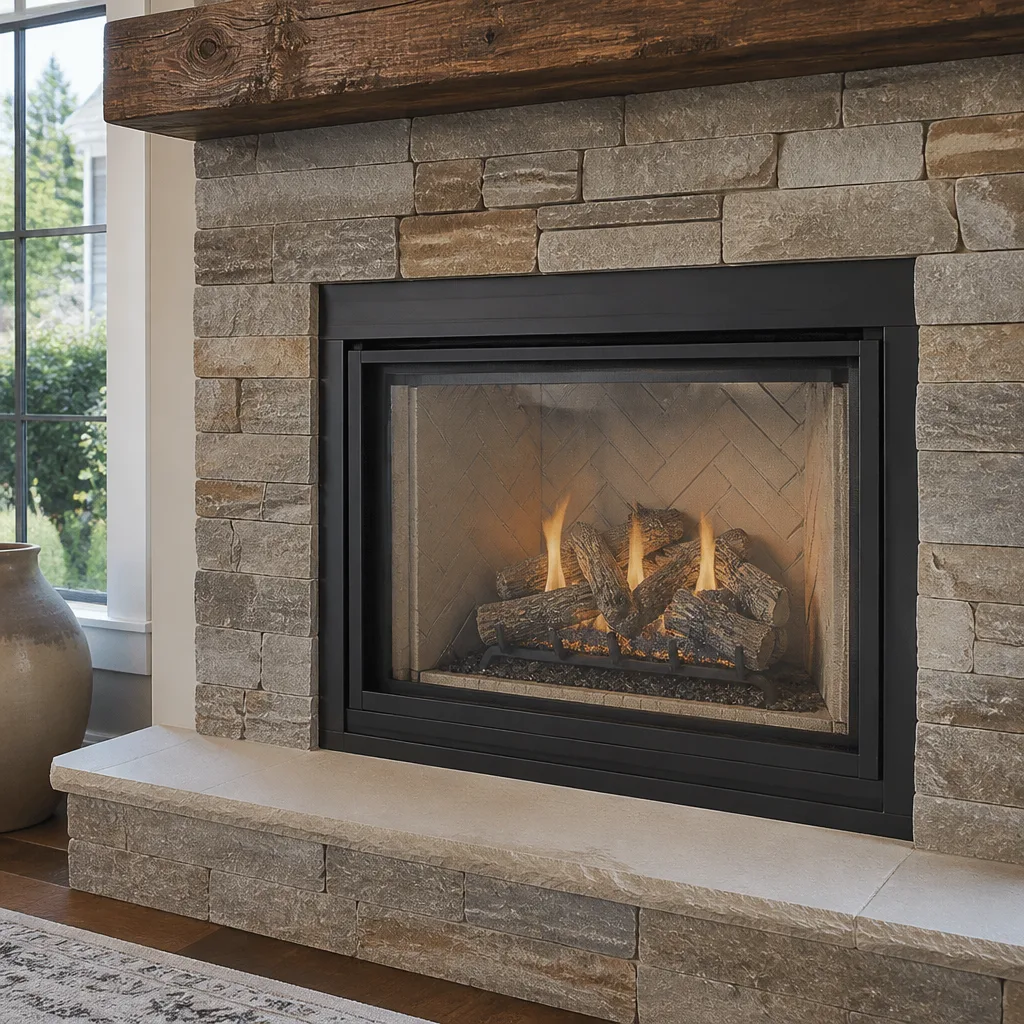 Gas fireplace service
Level 1 sweep and inspection to the NFPA 211 annual standard - flue, crown, cap, and flashing checked and photographed
Chimney sweep logs do not sweep chimneys. They loosen some creosote - which then falls where a brush and vacuum still have to collect it.
Choosing the Right Chimney Cleaning Brand: A Buyer’s Guide for Crabtree
Two chimney crowns can look identical the day they’re installed and behave nothing alike five years later. The difference usually isn’t the mason’s hands. It’s what went into the bucket: a hydraulic castable product formulated for thermal cycling, or a bag of basic mortar mix that was never meant to sit on top of a flue and take freeze-thaw abuse. Homeowners in Crabtree ask us about sweeping services all the time, and the question underneath is almost always the same: how do I tell a real chimney specialist from someone who just owns a brush? This guide answers that by looking at the materials, the brands behind them, and the questions that separate professional-grade sourcing from commodity hardware. You’ll learn which product categories actually matter, how to read a contractor’s answer, and when a proprietary repair system is the right call versus an oversell.
Quick Answer
The right chimney brand isn’t a logo on a truck. It’s the manufacturer behind the crown coating, liner system, waterproofing sealant, and creosote treatment going into your chimney. Professional-grade products from established manufacturers carry documented performance specs (thermal ratings, cure behavior, warranty terms) that generic substitutes don’t, and repairs built on them hold up longer. In Crabtree, ask any contractor which brands they specify and why, then check whether the answer names actual product systems or just says “the best materials.”
Styles & brands we work with
- Sweep & inspection
- Caps & crowns
- Flue relining
- Masonry repair
- Gas fireplace service
Table of Contents
- Why Chimney Product Brands Matter More Than You Think
- The Four Product Categories Where Brand Matters Most
- Liner Systems: HeatShield, DuraFlex, and the Unbranded Alternative
- When a Proprietary Repair System Is Right (and When It’s Oversold)
- How to Ask a Contractor What Products They Use
- What “We Use the Best Materials” Actually Means
- Chimney Materials in the Crabtree Climate and Housing Stock
- Why Inspection Comes Before Any Product Decision
Why Chimney Product Brands Matter More Than You Think
A chimney is a wet, hot, chemically active structure. It moves through expansion and contraction every time you burn, it collects acidic condensate, and in Crabtree it also faces humidity swings and winter freeze-thaw that work on every exterior surface. The materials applied to it have to survive all of that at once. That’s why brand matters: a manufacturer who publishes thermal ratings and cure specs has done the testing to know how their product behaves through thousands of those cycles. A generic bag of mortar or an unbranded tube of sealant hasn’t, and there’s no way to find out how it will perform until it fails.
This is the part most homeowners miss. Chimney work looks simple from the ground. A crown is a cap of material at the top. A liner is a tube inside the flue. A sealant is a coating on the brick. But the performance ceiling of each of those is set by the chemistry of the product, not the skill of the hand applying it. We’ve seen this play out repeatedly in Crabtree, where the same repair done with two different products can fail in three years or last fifteen.
Our technicians have up to 14 years of experience, and the consistent lesson is that the jobs that come back are rarely the ones where the craftsmanship was off. They’re the ones where a generalist substituted a hardware-store product for a specification-grade material because it was what the local supplier had on the shelf. Sourcing from a professional roster instead of whatever’s available is the difference. That’s why Chimney Sweep Crabtree relies on a vetted set of manufacturers rather than commodity stock.
The Four Product Categories Where Brand Matters Most
Not every product in a chimney job carries equal weight. Four categories drive most of the long-term performance, and in each one the gap between a professional-grade product and a generic substitute is meaningful.
Crown coatings and castables
The crown is the concrete or mortar cap at the top of the chimney. It sheds water away from the flue and the brick below. A crown built with a hydraulic castable rated for thermal cycling flexes and holds through freeze-thaw. A crown built with standard mortar mix cracks, and once it cracks, water enters the chimney structure and the whole assembly starts to degrade. This is the category where brand choice is most visible over time.
Liner systems
A flue liner contains combustion gases and protects the surrounding masonry from heat and corrosive byproducts. Stainless flexible liners from established manufacturers carry published thermal ratings and warranty terms. Unbranded liners don’t, and an inspector has no way to confirm they meet the standard your chimney needs. Brand matters here more than anywhere else because it’s the safety-critical component.
Waterproofing sealants
Masonry waterproofing is not the same as a coat of paint. A proper breathable sealant stops liquid water from entering the brick while allowing vapor to escape, so the masonry can dry. Sealants applied at the wrong spec trap moisture and cause spalling. Vapor-permeable products from established manufacturers carry published permeability ratings. Generic clear-coat products may not.
Creosote treatments
Creosote is the tar-like residue left by wood smoke, and it’s the fuel for chimney fires. Chemical creosote treatments are formulated to convert or loosen heavy deposits so they can be swept out. Effectiveness varies widely by product, and some treatments are only appropriate for light deposits. A professional-grade treatment from an established brand comes with clear instructions on which stage of creosote it addresses.
In every one of these categories, the question you want answered is the same: which specific manufacturer’s product, and what does the manufacturer say it’s rated for? Crabtree homeowners who ask that question get a very different conversation than the ones who don’t.
Liner Systems: HeatShield, DuraFlex, and the Unbranded Alternative
A chimney liner is the most consequential product decision in the whole job, and it’s the one where generic sourcing shows up fastest. A factory-engineered stainless flexible liner carries a published thermal rating, a stated installation standard, and a manufacturer warranty. Those three things are what an inspector or a future buyer of your home will look for. An unbranded liner offers none of them.
Here’s the comparison that makes the point:
- Thermal rating: A branded liner states the temperature it’s rated to withstand and under what conditions. An unbranded liner typically has no published rating, which means no one can confirm it’s appropriate for your appliance.
- Warranty: Branded systems carry manufacturer-backed warranties with defined terms. Unbranded liners may carry only a verbal assurance from the contractor who installed them.
- Installation standard: Branded systems come with manufacturer installation requirements. That’s useful because a future inspector can verify the installation matched the spec. An unbranded liner is installed however the installer decides.
- Documentation: A branded system gives you paperwork with the product name on it. If you sell the house, that’s proof of what’s in the flue.
We carry DuraFlex flexible liner systems for full chimney relining, and HeatShield for restore-in-place work where the existing flue can be resurfaced rather than replaced with a new liner. Both are professional-grade product lines with published specs. That’s the standard to hold any contractor to in Crabtree, whether they offer DuraFlex, HeatShield, Olympia Chimney, or another established maker.
The unbranded alternative isn’t always a bad product. Sometimes it’s a perfectly serviceable liner sold honestly at a lower price. The problem is you have no way to tell the difference without documentation, and the person who benefits from you not asking is the one who installed it. Brand names exist precisely so you can check.
When a Proprietary Repair System Is Right (and When It’s Oversold)
Proprietary repair systems are some of the most valuable tools in a chimney specialist’s kit, and also some of the most frequently oversold. A system like HeatShield ceramic resurfacing is a genuine repair option: it restores the inside surface of a firebox or flue without full relining, and it’s a capability most general contractors simply don’t have. It’s also not the right answer for every chimney, and a contractor who recommends it for every chimney is worth questioning.
Here’s how to tell the difference:
- Get the camera evidence first. A repair recommendation should come with photos or video from inside the flue and firebox. Without them, you have a contractor’s word and nothing else. Ask to see the footage.
- Ask what the system is rated to fix. A resurfacing product is rated for a specific range of defects (typically surface deterioration, spalling, and joint erosion, not structural cracks or separation). Ask which ones the contractor found and how the product addresses them.
- Ask what happens if you do nothing. Sometimes the honest answer is that the defect is cosmetic and can wait. Sometimes it’s that the chimney is now hazardous. A specialist who tells you either is more trustworthy than one who always says you need the repair today.
- Ask why resurfacing rather than relining. If the flue is intact enough to be resurfaced, that’s usually less expensive and less invasive than a full stainless liner. If it isn’t, a specialist will say so and explain what changed their mind.
- Compare against a full reline quote. Any recommendation for a proprietary repair should come with an honest comparison to the alternative, so you understand the trade-offs rather than just the price.
Crabtree has a lot of older housing stock, and older masonry chimneys are exactly the kind that can sometimes be restored with HeatShield ceramic resurfacing instead of relined. When that’s true, it’s a better outcome for the homeowner. When it isn’t, a proper chimney sweep and inspection will make the case with the actual condition of the flue, not with a sales pitch.
How to Ask a Contractor What Products They Use
The way you ask the question determines the quality of the answer. A vague question gets a vague answer; a specific question gets an answer you can evaluate. This is the most useful skill in the whole buying process, and it takes about sixty seconds to learn.
The questions that reveal professional sourcing
- “Which brand of crown material do you use, and what temperature is it rated for?” A specialist names the product and the rating. A generalist says “a good mortar mix.”
- “If you recommend a liner, which manufacturer’s system and what warranty does it carry?” The answer should name a brand and state the warranty term.
- “What product do you use to waterproof masonry, and is it vapor-permeable?” A professional knows the difference and names the product. The follow-up question is why permeability matters.
- “Do you use a proprietary repair system, and when do you choose it over a full reline?” This tests whether the contractor knows the systems well enough to know their limits.
- “Can you show me photos from the inspection before recommending the repair?” The single most important question. Anyone without photos has no evidence, and anyone who won’t show the ones they have has something to hide.
- “Do you source from a list of professional manufacturers, or do you buy whatever’s at the supplier that day?” The answer tells you whether materials are specified in advance or substituted on the fly.
How to evaluate the answer
Professional sourcing shows up as specific names, published ratings, and a willingness to put the product name in the written estimate. Commodity sourcing shows up as adjectives: “premium,” “top-quality,” “high-grade.” Those words don’t mean anything in a materials context. If a contractor can’t name the product, they either don’t know it or don’t want you to know it, and both are reasons to keep asking.
Crabtree’s best chimney contractors will volunteer this information before you ask. That’s a reliable sign you’re talking to a specialist. We work from a roster that includes DuraFlex, HeatShield, Gelco, Olympia Chimney, Famco, and Copperfield, and we don’t hesitate to name them, because that’s the standard a homeowner should be holding us to.
What “We Use the Best Materials” Actually Means
When a contractor says “we use the best materials,” it usually means one of three things. It can mean nothing at all, which is the most common situation. It can mean they’ve used the same product for years because it’s what their supplier stocks. Or it can mean they’ve deliberately selected a small roster of professional manufacturers whose products have published specs they trust and whose performance they’ve seen hold up. Only the third is a meaningful claim.
The follow-up questions that reveal the answer
- “Which specific manufacturers are on your list?” If they can’t name three or four, it’s a slogan.
- “What’s the difference between the product you’d use on my chimney and a generic version?” This forces a comparison. A specialist gives you one; a generalist deflects.
- “Do you put the product name on the estimate?” A professional has no reason not to. If the estimate says only “crown repair” and not “crown repair with [product name],” the materials are being left vague on purpose.
- “Have you seen this product hold up in a Crabtree climate?” A local specialist has opinions about how specific materials handle local conditions. A contractor who doesn’t may not have done enough jobs here.
- “What’s the warranty on the material itself versus your labor?” Two different warranties, and a professional will explain both.
Our version of the claim is simple: we source from a vetted roster of professional chimney manufacturers, we put the product name in the written estimate, and we let you look up the specs yourself. A manufacturer-grade component isn’t a marketing phrase. It’s a part number, a rating, and a warranty you can inspect. That’s what you should be paying for, and what any contractor worth hiring in Crabtree should be able to provide.
Chimney Materials in the Crabtree Climate and Housing Stock
Crabtree’s chimneys work under conditions worth understanding, because they shape which product categories matter most. The region gets real seasonal swings: warm, humid summers followed by cold winters, plus enough rain through the year that masonry never fully dries out. For chimney materials, that’s a demanding combination.
What the climate does to crowns and sealants
Freeze-thaw cycling is the single biggest stress on a chimney crown. Water gets into a small crack, freezes overnight, expands, widens the crack, and repeats. A crown built with a thermal-cycling-rated castable is engineered to move without cracking. A crown built with basic mortar will crack within a few seasons, and once it does, water works its way into the chimney structure. The same logic applies to masonry waterproofing: in a wet-and-then-cold climate, a breathable sealant that lets the brick dry is more important than in a dry one, because trapped moisture causes far more damage than rain on its own.
What the housing stock does to liners and fireboxes
Much of the housing in and around Crabtree is older, and older masonry chimneys were built to standards that have since changed. Many were never lined at all, or were lined with clay tile that’s now cracked or deteriorated with age. That’s the origin of most liner and relining work in Crabtree, and it’s why a proper inspection matters here more than in a newer subdivision. The liner recommendation should always come from what’s actually inside the flue, viewed on camera, not from a rule of thumb about the era the house was built.
Fireboxes in older Crabtree homes also show the wear that comes from decades of use. That’s where a proprietary resurfacing system genuinely earns its place, because it can restore a firebox that was previously a full rebuild.
Why Inspection Comes Before Any Product Decision
Every conversation in this guide comes back to a single prerequisite: you can’t choose materials until you know what’s inside the chimney. A brand discussion without an inspection is a guess. The order of operations matters, and it looks like this:
- Book the inspection first, on its own. An inspection is a service, not a sales visit. It should produce a documented condition report with photos or video from inside the flue and firebox.
- Review the evidence together. The report should identify specific defects: crown cracks, spalling, joint erosion, cracked tiles, liner deterioration. Each defect gets a location and a photo.
- Match defects to products. Once you know what’s wrong, the product conversation becomes concrete. A hairline crown crack calls for a coating; a crown in pieces calls for a rebuild. A scuffed flue calls for resurfacing; a compromised one calls for relining.
- Get the repair in writing. The estimate should name the product and the scope. Then you can look up the product and decide whether it’s the right answer.
- Confirm what can safely wait. A meaningful percentage of defects are cosmetic and can go a season or two before repair. A specialist will tell you which ones and why.
That sequence is the same whether you’re getting a chimney sweep in Crabtree before the heating season or seeing what changed since you bought the house. Inspection as a standalone service is a genuine offer for exactly this reason: it puts the evidence in the homeowner’s hands before any product conversation starts. When you’re ready to talk about the fix, whether it’s fireplace repair or structural work at the top of the chimney, the product decision is already grounded in what’s actually there.
Cap and crown work is a good example. A crown coating product recommendation sits on top of chimney cap & crown repairs, and there’s no way to know which product is appropriate without seeing the current condition. Rebuild it too soon and you overspend; coat it too late and the crack has already done its damage.
Common Mistakes to Avoid
- Hiring on price alone. A cheap crown repair with a generic mortar mix will cost more over time than a proper one, because it fails sooner and takes the surrounding masonry with it. In a Crabtree climate with real freeze-thaw, the performance gap between products is measurable.
- Not asking what’s going in your chimney. “We use the best materials” is not a materials list. Ask for the manufacturer name and put it in the estimate. If it isn’t there, the products are being left vague for a reason.
- Accepting a repair recommendation without camera evidence. The single most common source of oversold chimney work is a recommendation you have no way to verify. Photos are not a courtesy; they’re the standard. Any contractor who won’t provide them is telling you something.
- Skipping inspection before a sweep. A sweep cleans a flue; it doesn’t diagnose it. When you only sweep, defects that aren’t visible from the ground go unnoticed until they become expensive. Inspection first, then sweep and repair based on what’s found.
- Choosing an unbranded liner to save money. The liner is the safety-critical part of the whole system, and an unbranded one has no published thermal rating or warranty. The savings are real up front and imaginary at the point of failure.
- Assuming a general contractor can do chimney work. Most can’t do proprietary resurfacing, and many don’t carry manufacturer-sourced product lines. Chimney work looks like masonry from the outside, but the specifications are a different trade.
- Waiting for a chimney problem to announce itself. Creosote buildup and flue deterioration are invisible from the living room until the first symptom, which is often a chimney fire or a draft problem. An annual inspection catches them long before. Know what you’re burning before you light the first fire of the season.
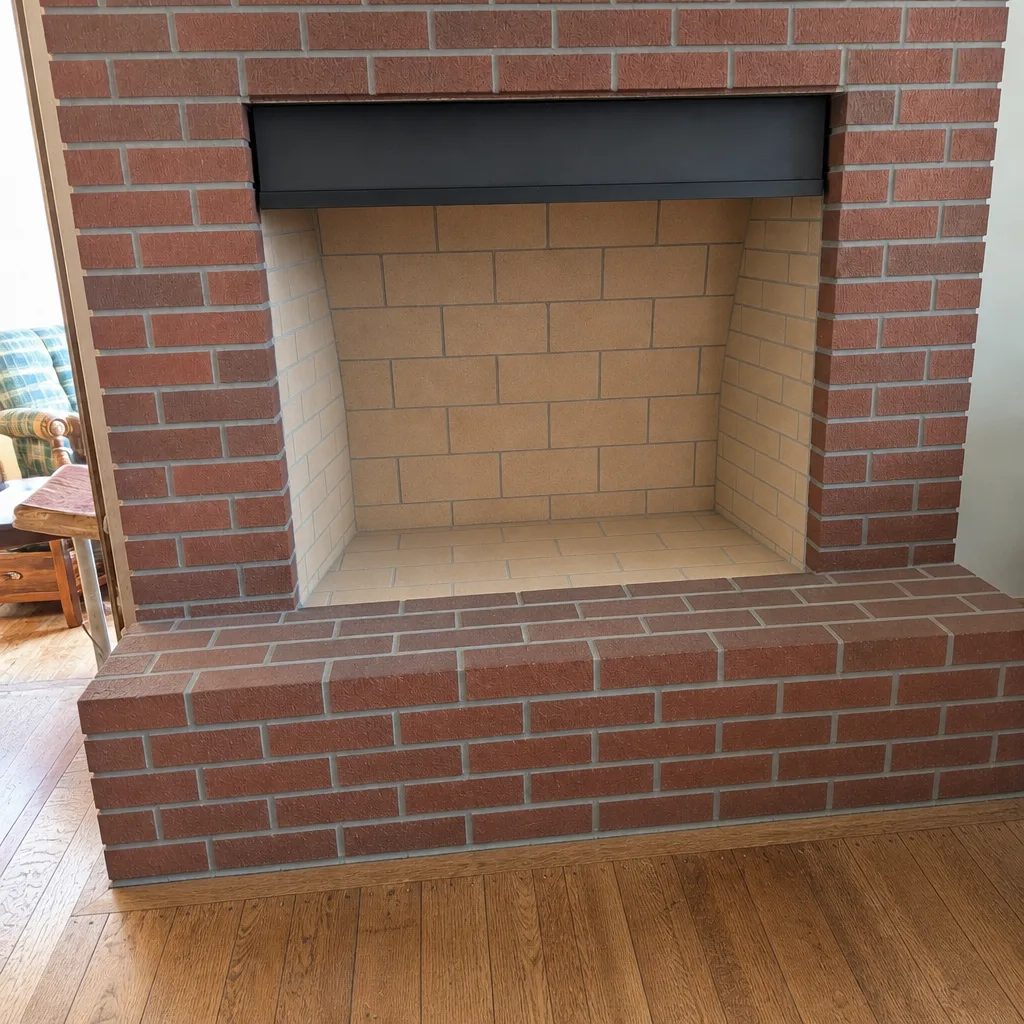
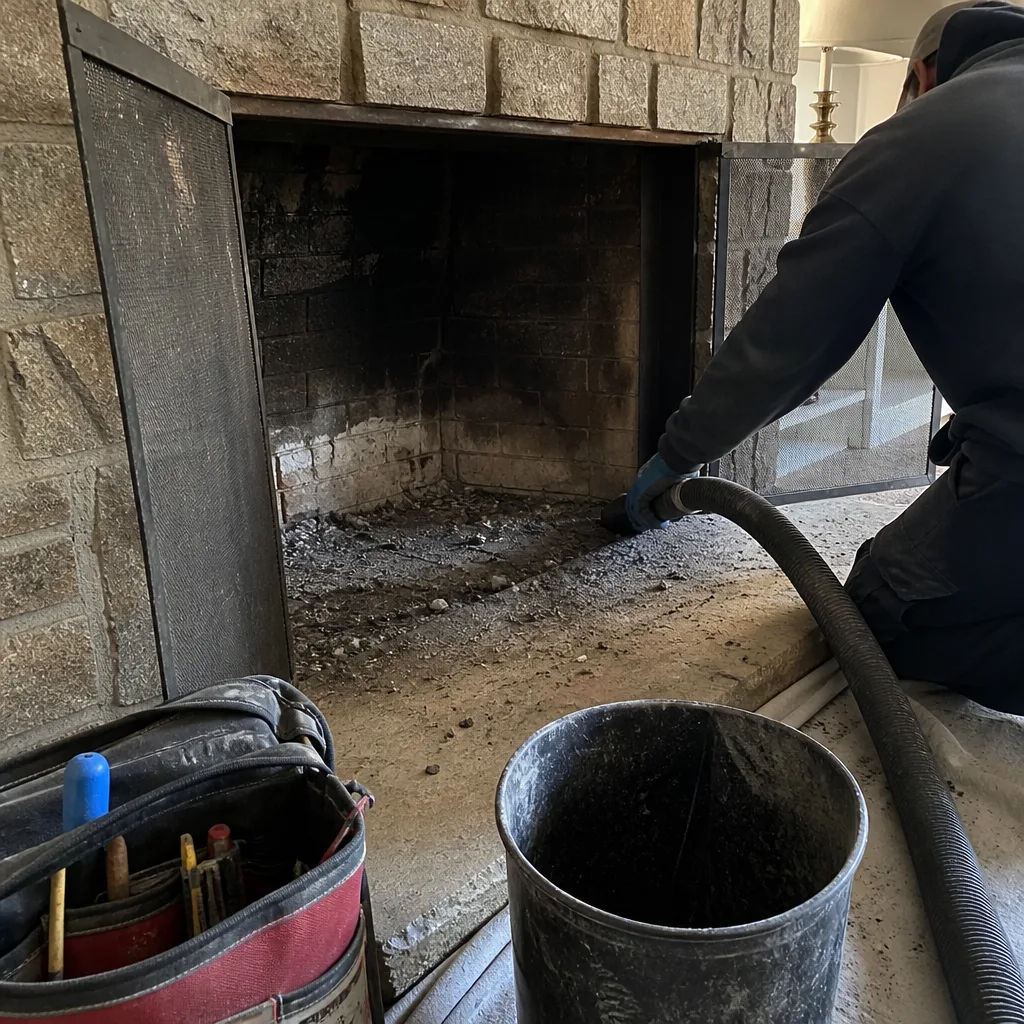
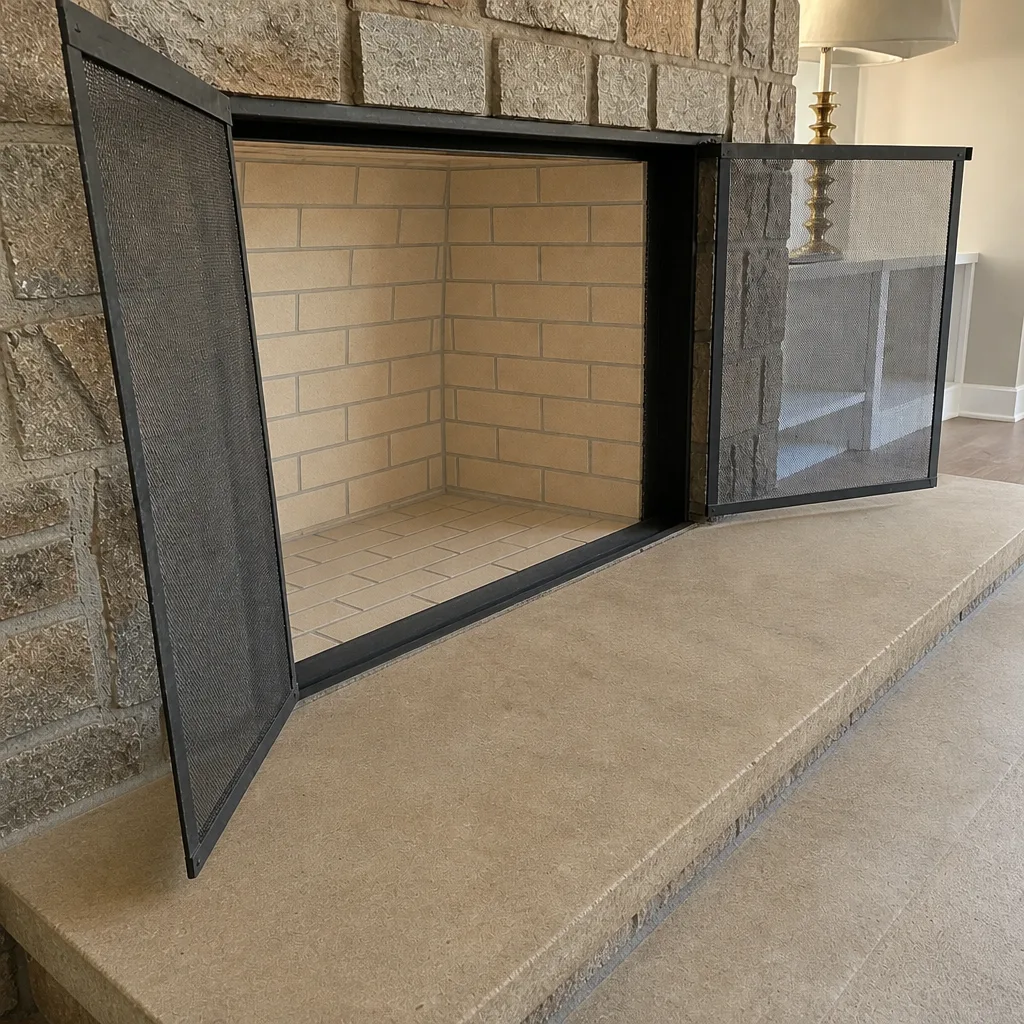
See the difference
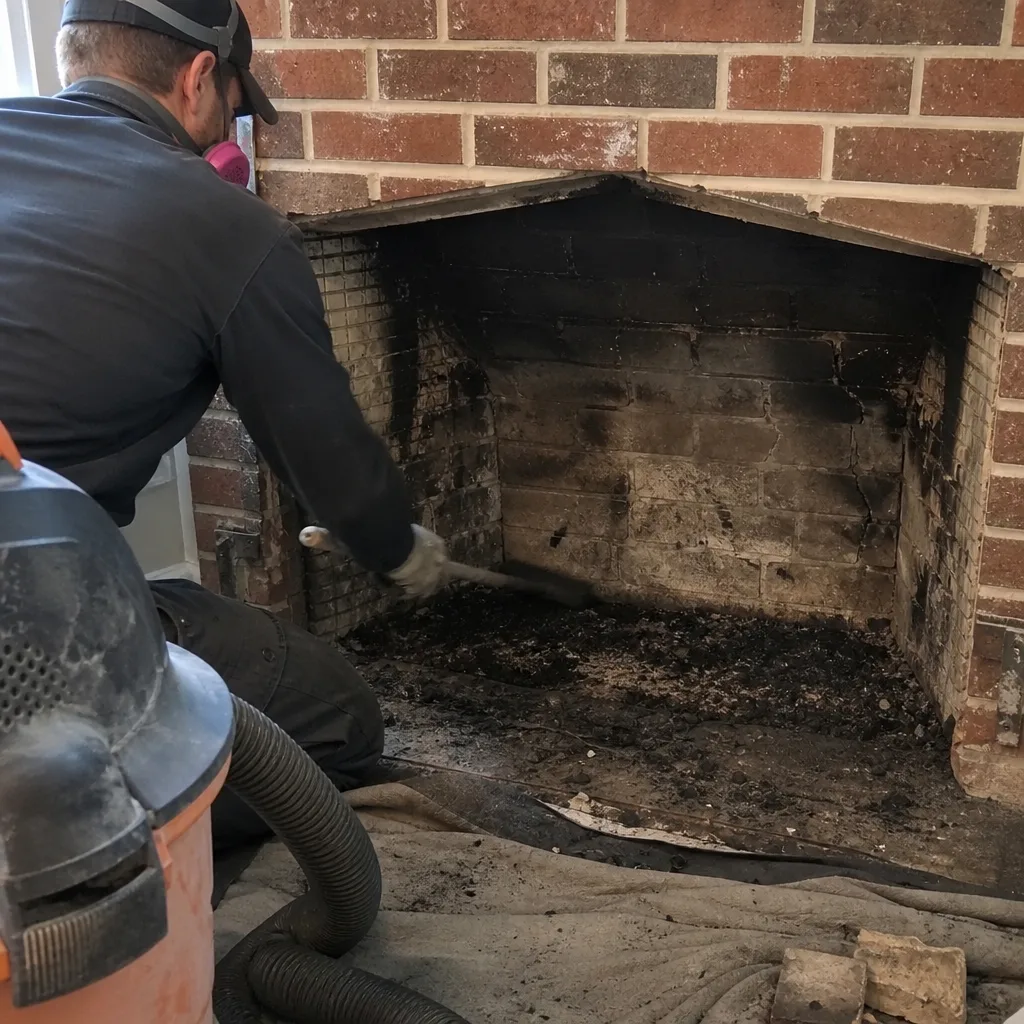 Before
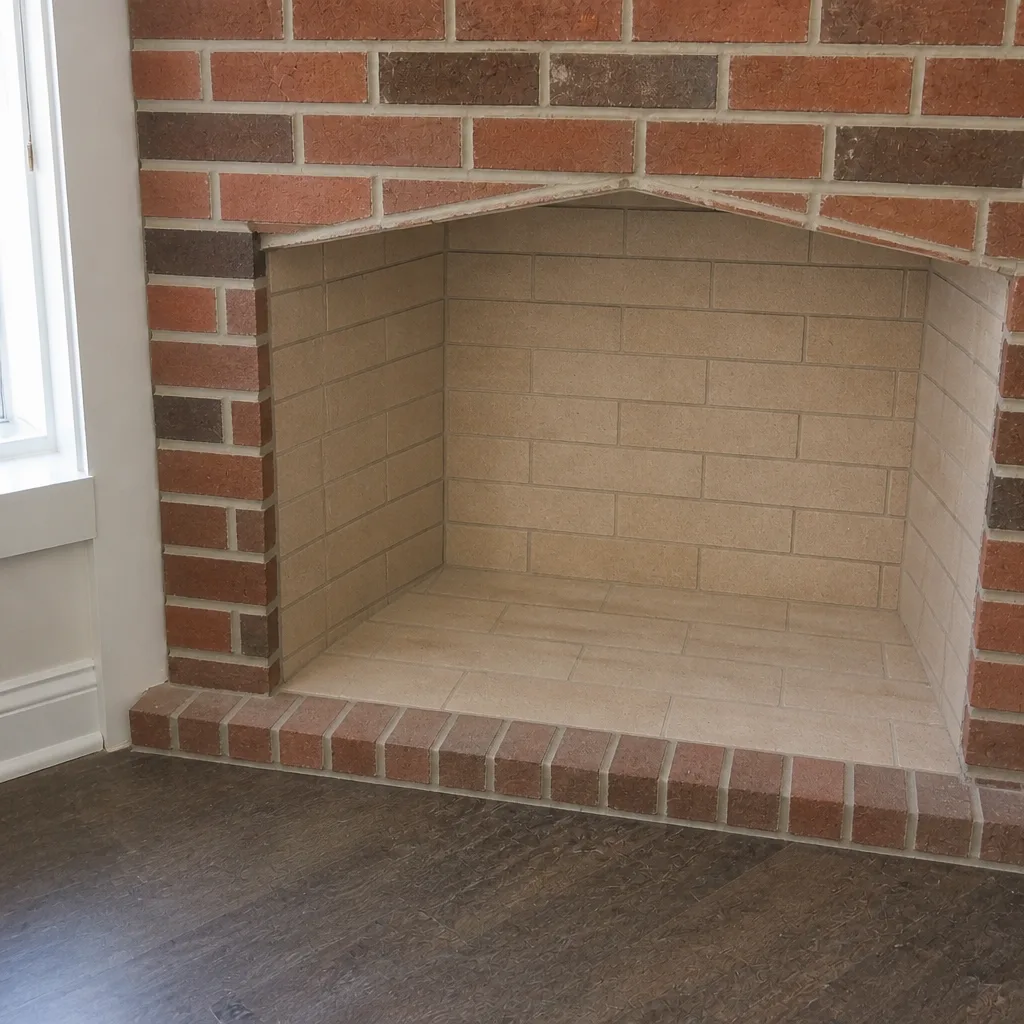 After
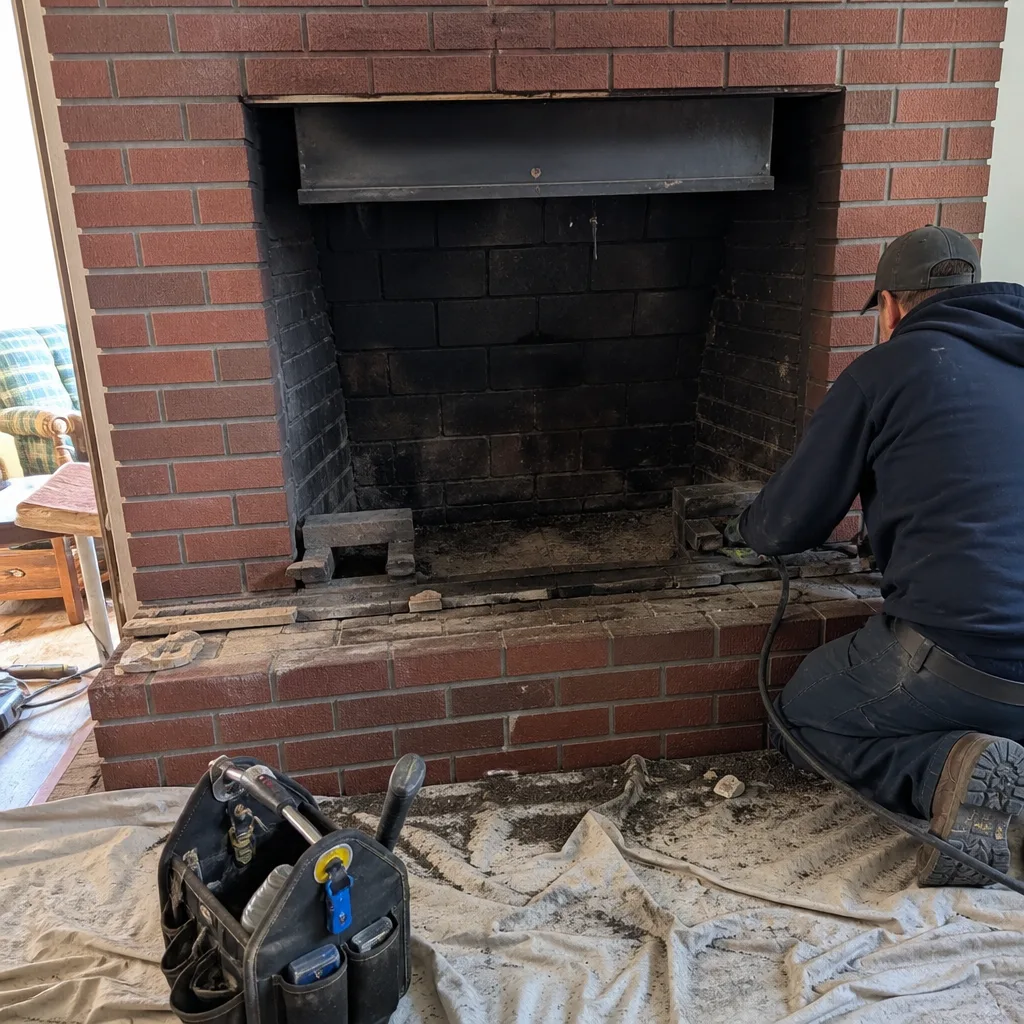 Before
 After
 Before
 After
When to Call a Professional
Some chimney work is a job for a trained specialist, plain and simple. If you’re seeing visible cracks in the crown, water stains on the firebox or ceiling near the chimney, crumbling mortar, or a flue with missing or broken tiles, that’s time to call. Same if you get smoke rolling back into the room, which usually points to a draft or blockage issue that needs a proper look at the flue. If you’ve just bought a home with a chimney in Crabtree and don’t know when it was last inspected, book an inspection before the first fire of the season. And if you’re relying on HeatShield or a stainless liner system for a repair, the work needs a specialist, not a generalist, because the products carry published installation standards the installer has to match.
Chimney Sweep Crabtree offers free estimates. Call (877) 820-9485. We answer 24/7. Fast dispatch from 7am to 7pm, Sunday through Friday.
Frequently Asked Questions
The brands that matter are the manufacturers behind the crown coatings, liner systems, waterproofing sealants, and creosote treatments going into the chimney, not the brand on the truck. Professional-grade examples include HeatShield for ceramic resurfacing, DuraFlex for flexible liner systems, and established masonry product lines like Gelco, Olympia Chimney, Famco, and Copperfield. Ask your contractor for specific manufacturer names and ratings, and expect them in the written estimate. Call (877) 820-9485 if you’d like to know exactly what we’d specify for your chimney; estimates are free.
It matters because the brand is what carries the thermal rating and the warranty. A branded stainless flexible liner from an established manufacturer includes published performance specs and a manufacturer-backed warranty, and a future inspector or home buyer can verify what’s in the flue. An unbranded liner usually carries neither, which means no one can confirm it meets your appliance’s requirements. For a safety-critical component, that lack of documentation is the real cost. Call (877) 820-9485 for an exact quote on a branded liner; estimates are free.
Ask for the camera evidence first. A resurfacing system is the right answer when the flue or firebox has surface-level defects (spalling, joint erosion, minor deterioration) but is still structurally sound, and it’s the wrong answer when there are structural cracks or separation. A specialist will show you the photos and explain why resurfacing rather than relining is the appropriate fix. If they can’t, get a second opinion. Call (877) 820-9485 for a free estimate with inspection photos included.
Usually it tells you nothing, because “best” has no materials meaning. The follow-up questions that reveal whether the claim is true are: which specific manufacturers are on your list, what’s the thermal rating on the product you’d use on my chimney, and will you put the product name in the written estimate? A specialist answers all three. A generalist deflects. In our experience, the contractors who can’t name the product are the same ones who buy whatever the supplier happens to stock. Call (877) 820-9485 to talk through what we’d specify; the estimate is free.
Get the inspection first. A sweep cleans the flue; an inspection diagnoses it, with photos and a documented condition report. When you skip the inspection, defects you can’t see from the ground (cracked tiles, liner deterioration, early crown cracks) go unnoticed until they get expensive or unsafe. That’s why we offer inspection as a standalone service, and why it’s the standard recommendation before each heating season and after any home purchase. Call (877) 820-9485 to book one; estimates are free.
A chimney specialist is the right call for anything beyond cosmetic masonry because the work involves product systems general contractors don’t stock or specify. Proprietary resurfacing (HeatShield), branded flexible liner systems (DuraFlex), and manufacturer-sourced crown coatings all require a contractor who knows how to install them to the manufacturer’s standard. A generalist can often do the visible part; they can’t usually do the specs. Call (877) 820-9485 if you want a specialist’s read on your chimney; the estimate is free.
The Bottom Line
The brands going into your chimney matter for one reason: professional-grade materials from established manufacturers carry documented performance specs that generic substitutes don’t, and those specs are what determine whether a repair holds for five years or fails in three. In Crabtree, with its real freeze-thaw cycles and older housing stock, the gap between a specified product and a commodity one shows up faster than it would in a milder climate. Ask your contractor which manufacturers they specify, insist on camera evidence before any repair recommendation, and get the product names into the written estimate. A named specialist will welcome those questions. If they won’t, you have your answer.
Chimney Sweep Crabtree works with a vetted roster of professional manufacturers (DuraFlex, HeatShield, Gelco, Olympia Chimney, Famco, and Copperfield) across the full chimney lifecycle: sweeping, inspection, cap and crown, fireplace repair, and chimney repair. One specialist for the full chimney, from sweep to structural repair. Call (877) 820-9485 for a free estimate. We answer 24/7. Fast dispatch from 7am to 7pm, Sunday through Friday.
Written by the team at Chimney Sweep Crabtree.