
Last updated November 23, 2026
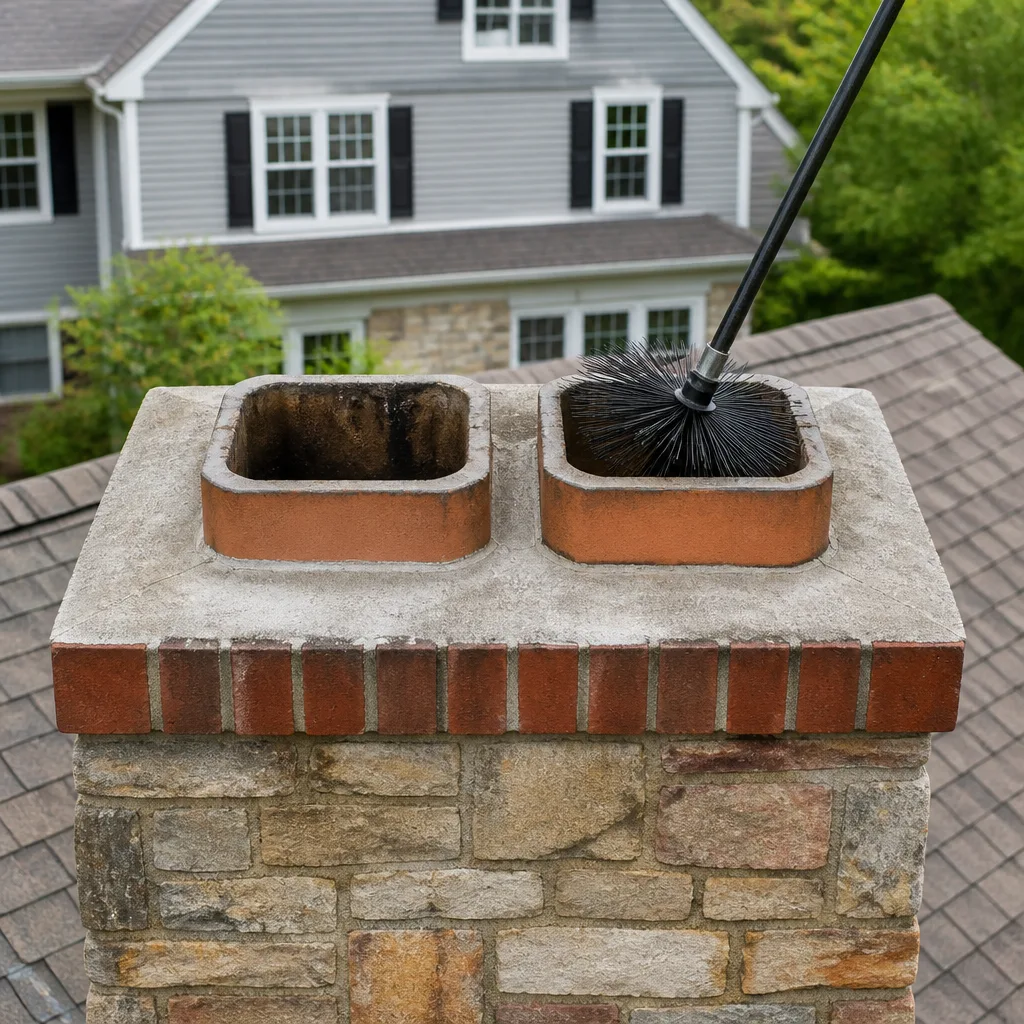 Sweep & inspection
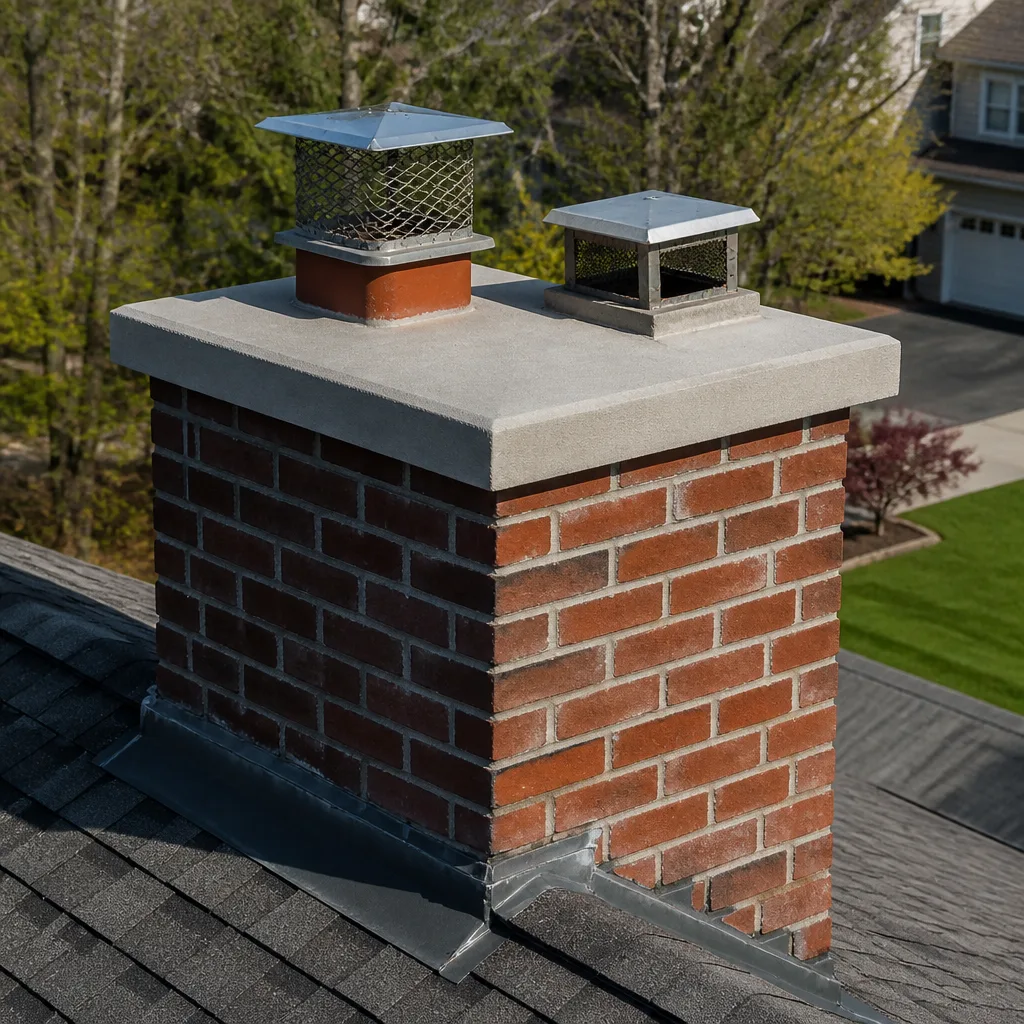 Caps & crowns
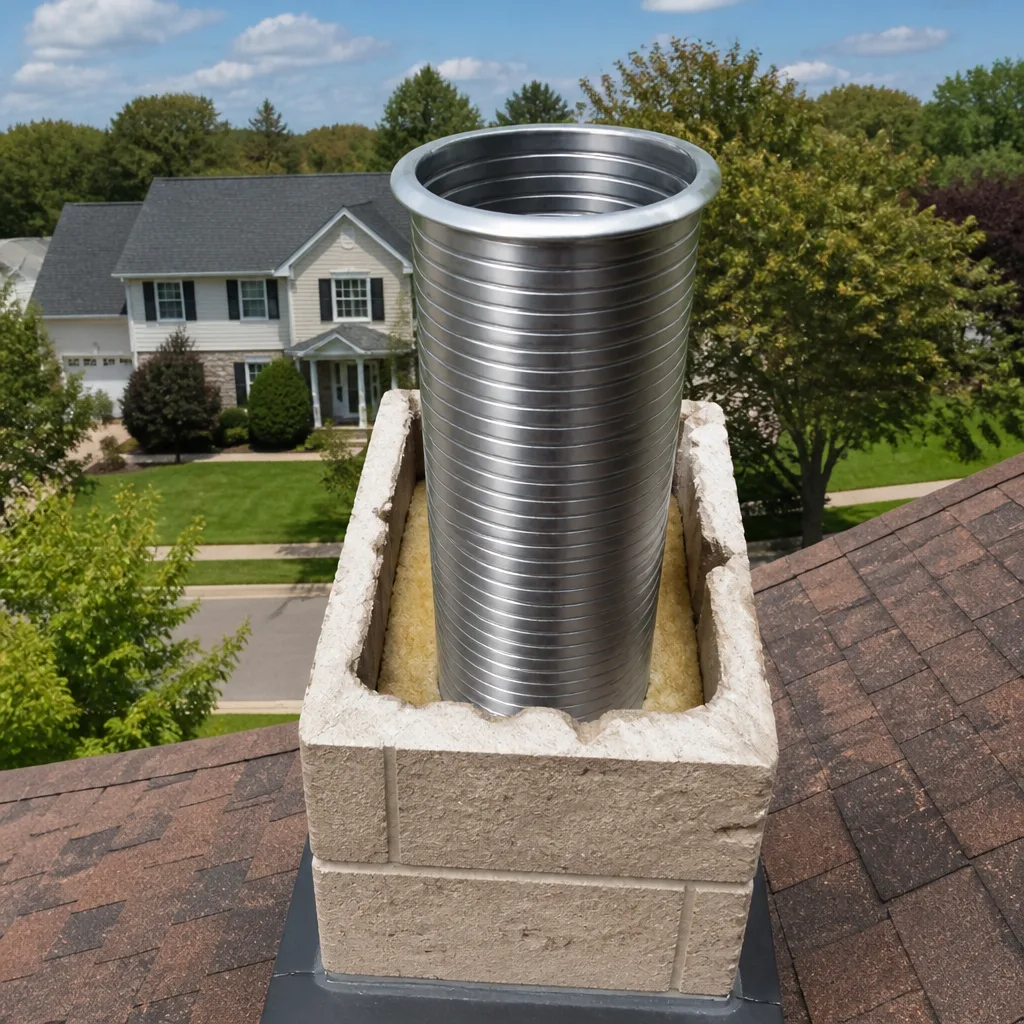 Flue relining
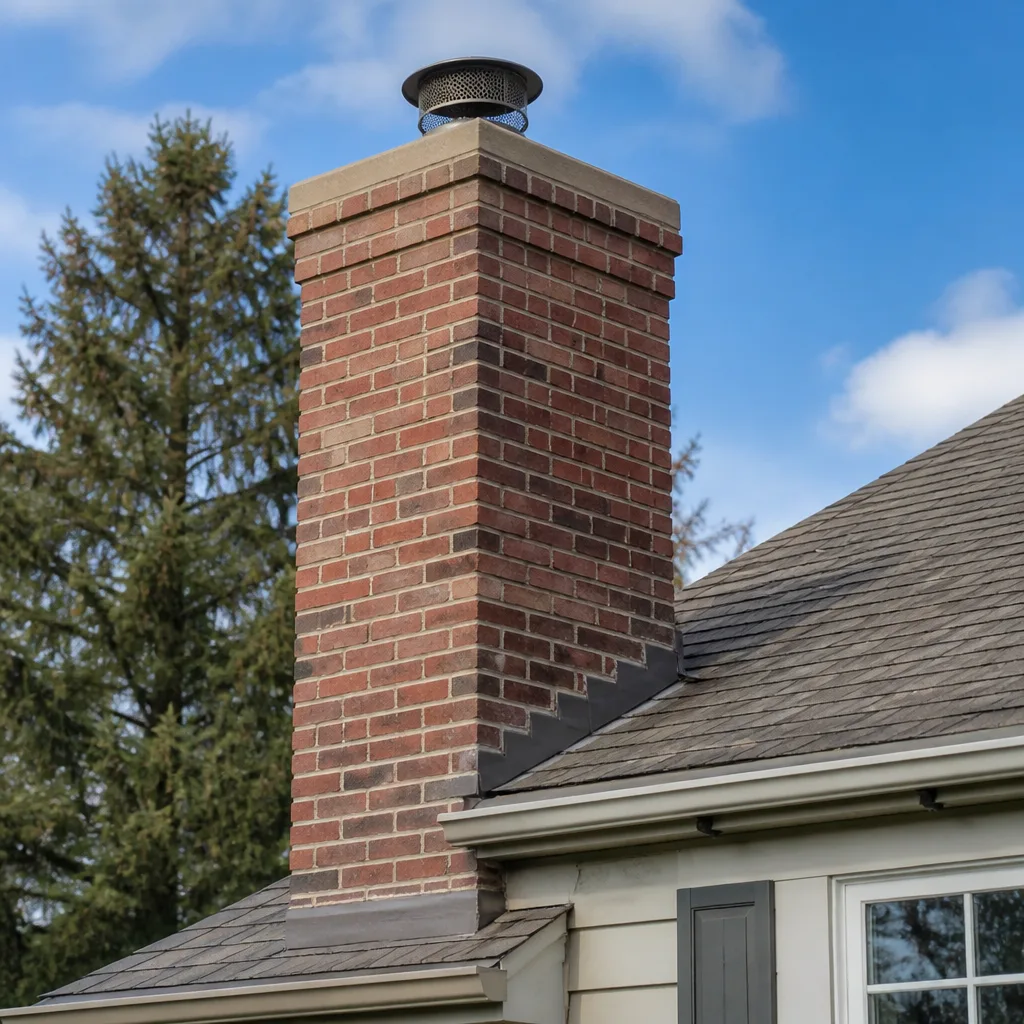 Masonry repair
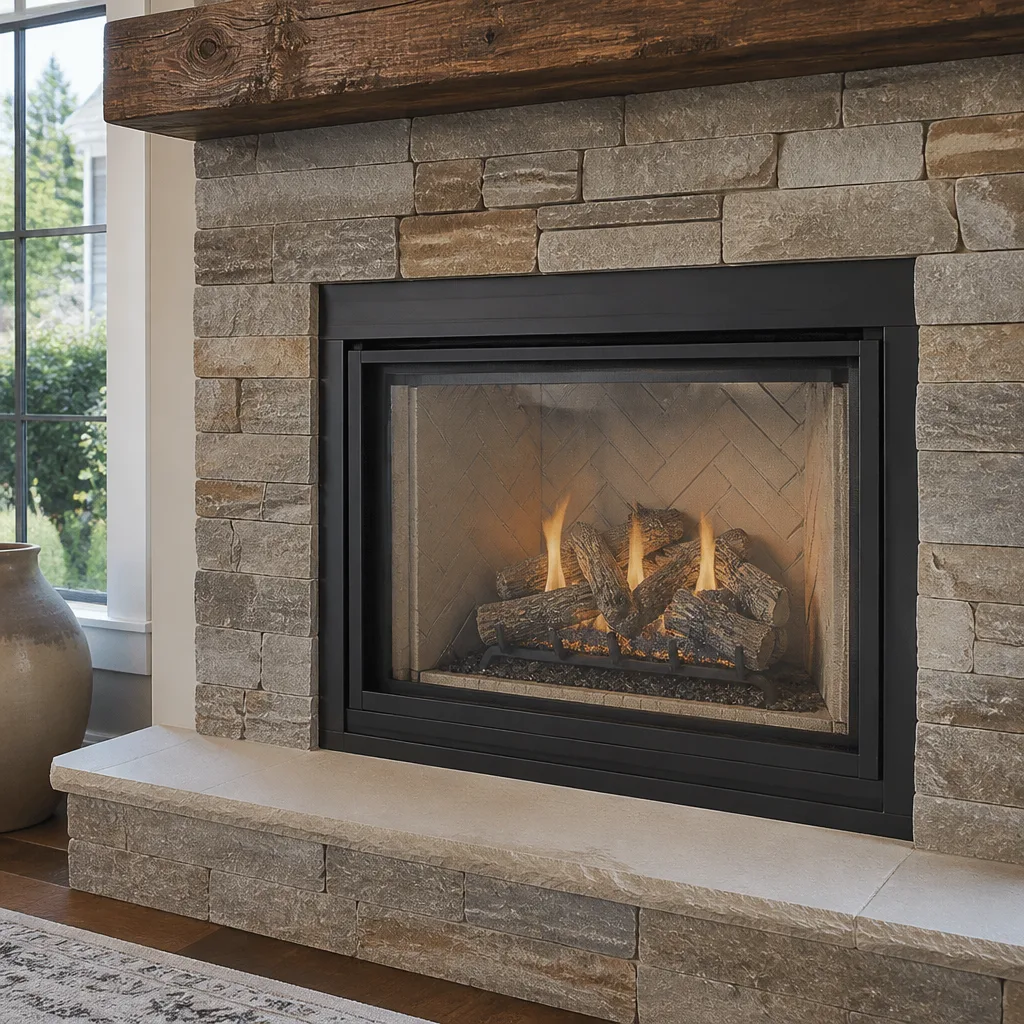 Gas fireplace service
Level 1 sweep and inspection to the NFPA 211 annual standard - flue, crown, cap, and flashing checked and photographed
Chimney sweep logs do not sweep chimneys. They loosen some creosote - which then falls where a brush and vacuum still have to collect it.
How to Hire a Chimney Cleaning Contractor in Crabtree: A Step-by-Step Guide
CSIA certification is the floor, not the ceiling. That’s the part of hiring a chimney sweep that most homeowners never hear, and it matters because a certified sweep can still show up without the camera, the tools, or the repair knowledge to handle anything past a basic brush-down. Chimney work has almost no barrier to entry: anyone with a brush and a van can print “chimney sweep” on a business card. Picking the right contractor in Crabtree isn’t about finding the cheapest bid. It’s about asking specific, technical questions that a generalist handyman cannot answer correctly. This guide walks you through the credentials, the diagnostic questions, the red flags, and the documentation to expect.
Quick Answer
To hire a chimney cleaning contractor in Crabtree, verify three things before you book: current CSIA certification (and NFI certification if you have a gas appliance), a written scope of work with a camera inspection and photo report included, and a flat price agreed before any work begins. Then ask four technical questions about your specific setup. A real specialist answers them precisely; a generalist hedges. Confirm the contractor handles repairs as well as cleaning, so one focused company can follow a problem from the sweep through to a repair without handing you off.
Styles & brands we work with
- Sweep & inspection
- Caps & crowns
- Flue relining
- Masonry repair
- Gas fireplace service
Table of Contents
- What credentials should a chimney sweep in Crabtree have?
- What four questions reveal a specialist from a generalist?
- What should be in a written scope of work?
- What red flags show up in chimney cleaning quotes?
- Why does a chimney specialist outperform a home-services company?
- How do you evaluate before-and-after documentation?
- Why do materials and brands matter for repair work?
- When should you book a chimney cleaning in Crabtree?
What credentials should a chimney sweep in Crabtree have?
A chimney sweep working in Crabtree should hold current CSIA certification, and if your home has a gas fireplace or gas logs, the technician should also carry NFI certification for that appliance type. Those are two different credentials, and people often confuse them. The CSIA credential covers the chimney and venting side: sweeping, inspection, and understanding how a flue drafts and how creosote behaves. The NFI credential covers the appliance side, which is why gas and wood-burning equipment get treated separately.
Here’s what each actually covers, and why it matters to you:
- CSIA certification indicates the sweep has passed a proctored exam and works to the industry’s inspection and sweeping standards. It’s the baseline for anyone touching your flue, and it signals the sweep knows the difference between a Level 1, Level 2, and Level 3 inspection and when each applies.
- NFI certification is the gas and hearth appliance credential. It matters when you have a gas insert, gas logs, or a vented gas appliance. A sweep without it may clean the flue but can’t properly evaluate the appliance or its venting.
- Neither credential tells you about equipment or repair depth. Two certified sweeps can differ wildly in the camera they carry and the repair materials they stock. That’s the gap this guide exists to close.
Ask for the certification status directly, and don’t be shy about asking when it was last renewed. Credentials expire. A contractor who can tell you confidently where their certification stands is a contractor who takes the trade seriously. If your home has a gas appliance, ask specifically about the NFI side. The answer tells you whether you’re dealing with a full-spectrum chimney specialist or someone who’s comfortable only with wood.
One more point: certification is a starting point, not a finish line. Our technicians have up to 14 years of experience, and experience is what turns a credential into judgment on a real chimney. You want both. For the basics of routine servicing itself, see our chimney sweep page.
What four questions reveal a specialist from a generalist?
Ask these four questions before you book. The answers separate a focused chimney specialist from a generalist who added sweeping to a long list of home services. None of them require technical knowledge on your part, and none are answered by guessing.
- “What inspection level will you do, and why?” A specialist answers this without hesitation. A routine annual service and a post-purchase evaluation call for different inspection levels, and a good sweep can explain which applies to your situation. A generalist often doesn’t know the difference.
- “Will you run a camera, and do I get the photos?” A sweep who cameras the flue and hands you the images is documenting their own work and giving you evidence for any repair recommendation. A generalist who says “we’ll take a look” without a camera has no evidence to show you.
- “What creosote grade did you find, and what does that mean for my flue?” Creosote comes in stages, and the stage determines whether a standard sweep is enough or whether a more involved cleaning or restoration is needed. A specialist knows how to grade it and explains it plainly. A generalist changes the subject.
- “Can you handle a repair in the same scope, or do you subcontract it?” A specialist who does cap and crown work, fireplace repair, and relining carries the knowledge and materials themselves. A generalist typically hands the repair to someone else.
Listen for specifics. The specialist talks about flue condition, draft, creosote stage, and material options. The generalist talks about a price and a time slot. In our experience across Crabtree, the quality of the answers to those four questions predicts the quality of the work more reliably than any review score. A sweep who’s actually cleaned thousands of chimneys will tell you the flue needs to be evaluated as a whole system, not just swept and forgotten. That depth of focus is what you’re paying for.
What should be in a written scope of work?
Every job should come with a written scope of work before anyone starts. A scope of work is a short document that spells out what’s being cleaned, how, and what gets checked. It protects you from being charged for work that wasn’t done and from being pressured into repairs you can’t verify. It also means the price doesn’t drift once the sweep is on your roof.
A proper scope for a chimney cleaning in Crabtree includes:
- The specific areas cleaned, named individually. The firebox, the smoke chamber, the flue, and the cap or screen are separate items. Vague line items like “clean chimney” hide what’s actually being done.
- The inspection level being performed, so you know whether the sweep is doing a visual check or a camera-based evaluation.
- Whether a camera inspection and photo report are included. This should be stated plainly, not negotiated as an extra.
- The flat price, agreed before booking, with a note that the written estimate sets the final amount.
- How debris is contained, so you know the work won’t leave ash and soot through the room.
Ask to see the scope before you commit. A contractor who works this way isn’t adding bureaucracy; they’re showing you exactly what you’re buying. If the quote is a single line and a number, ask for the detail. If the contractor can’t produce it, that’s an answer too. You can learn more about what the cleaning itself involves on our Chimney Sweep Crabtree page.
What red flags show up in chimney cleaning quotes?
Red flags in chimney cleaning quotes are rarely obvious. They show up in how the quote is worded and what’s missing from it. The most common ones we see in Crabtree come down to a lack of documentation and pressure to decide on the spot.
- Vague line items. A quote that says “inspect and sweep” with no detail on which parts of the chimney get attention tells you nothing. You can’t verify work you can’t name.
- No written scope of work. If you’re asked to approve work on a verbal description, say no and ask for it in writing. A specialist has no trouble putting it in writing.
- Pressure to approve repairs the same day, without documentation. A recommendation should come with photos or camera footage you can look at yourself. A push to sign right now, before you’ve seen the evidence, is the biggest red flag of all.
- A quote that changes when the sweep arrives. The flat price should be agreed before anyone starts. A surprise number partway through the job, with no new evidence, is a problem.
- No repair capability. A sweep who finds a cracked flue but can’t fix it and can’t offer materials knowledge will refer you elsewhere, adding another contractor to the chain.
One specific warning: be cautious of a quote that recommends thousands of dollars of liner or masonry work that you have no way to verify. That’s the most common fear homeowners bring to this decision, and it’s legitimate. Nothing should be recommended without camera evidence you can see for yourself. And if the evidence shows the work can safely wait, you should hear that plainly rather than be pushed to decide today. We’ve built our approach around that principle, and it’s the reason we hand over the photos rather than describing them.
Why does a chimney specialist outperform a home-services company?
A chimney specialist outperforms a general home-services company on complex jobs because the work depends on depth: equipment, material knowledge, and focused experience with one system. Chimney cleaning looks simple until something’s wrong, and then the quality of the diagnosis and the repair is everything. A general handyman company spreads its attention across dozens of job types. A specialist lives in one.
Three areas where that depth shows:
- Equipment. A camera-based inspection that reveals what’s really happening inside the flue requires the right tool, and knowing how to interpret the image. A specialist carries it as standard. A generalist may not carry it at all.
- Material knowledge. Repair work on chimneys and fireboxes depends on materials engineered for heat, soot, and draft. Knowing which product is right for a given failure is a specialist’s judgment, and a generalist typically reaches for what’s on the shelf.
- Focused liability. A company whose entire operation is chimney work carries the knowledge and attention that a company doing chimneys as one service among many tends not to. When the only thing they do is chimneys, they can’t afford to get it wrong.
This is why we describe ourselves as one specialist for the full chimney, from sweep to structural repair. We don’t hand off cap and crown work to a subcontractor and fireplace repair to someone else. It’s the same focus across every scope. That matters most when a routine sweep turns into a question about your flue or your firebox, because the person who found the problem is the person who fixes it.
How do you evaluate before-and-after documentation?
Good documentation is the difference between a contractor’s word and something you can check. Before-and-after photos, plus a camera report of the flue, let you see the condition of your chimney for yourself rather than taking it on faith. Asking for this is reasonable, and a specialist provides it without being asked.
What photos of a completed sweep should actually show:
- The firebox walls, clean, with any cracks or gaps visible and photographed before and after.
- The smoke chamber and damper area, so you can see the state of the surfaces above the fire.
- The flue interior via camera, showing the walls of the flue and any buildup. The after-image should show the flue cleaned and free of loose creosote.
- The cap and crown, since these are part of the same inspection and photos here reveal cracks or missing screens.
When you look at the photos, ask questions. Point to an area and ask what condition it’s in. A specialist can talk you through the image and explain what they’re seeing. A generalist can produce photos but can’t interpret them. The ability to explain the evidence is what tells you the documentation is real. This also connects to the chimney cap & crown part of the inspection, because those components are where small problems often surface first, and they’re easy to photograph and hard to fake.
Why do materials and brands matter for repair work?
Materials matter because chimney repairs fail when they’re done with generic substitutes. Chimneys and fireboxes live in an environment of heat, creosote, moisture, and draft, and not every product is engineered for it. A hardware-store patch on a firebox, for example, may hold for a season and then crack again, and you’ll pay to fix the same problem twice. A specialist sources materials from manufacturers who build for this environment specifically.
The industry has a defined set of manufacturers for chimney repair and relining. We work with a roster that includes Gelco, Olympia Chimney, Famco, and Copperfield, among others. That roster gives customers manufacturer-grade components rather than improvised substitutes. For firebox and flue liner restoration, we use HeatShield, the industry’s leading ceramic resurfacing system, which lets us repair a flue without full relining in cases where that’s the right call. For full relining, we offer DuraFlex flexible liner systems, factory-engineered for the job.
The point isn’t the brand names. It’s what the names represent: a repair built to spec, by a specialist who knows which material is right for a given failure and why. Ask a contractor what materials they’d use for a firebox repair or a relining, and then ask why. The answer tells you whether you’re talking to someone who knows the trade or someone reaching for the nearest shelf. For fireplace-specific repair, see our fireplace repair page.
When should you book a chimney cleaning in Crabtree?
Book a chimney cleaning before the heating season, ideally months ahead, so you’re not waiting when the weather turns. Chimneys in Crabtree see real seasonal swings: humid summers and cool, damp winters, and a fire that gets used heavily through the cold months. The chimney should be clean and inspected before the first fire, not after a problem shows up. Early booking also gives you time to schedule any repair the inspection uncovers, so a surprise doesn’t land in the middle of winter.
Beyond the annual pre-season sweep, book a cleaning in these situations:
- You’ve just bought a home with a chimney, and you don’t know when it was last serviced.
- You’ve changed what you burn or how often you burn it.
- You notice smoke backing up, poor draft, or a strong smell in the firebox when you aren’t burning.
- It’s been a year or more since the last cleaning, regardless of how often you had fires.
Ask about timing when you book. Our phones are answered 24/7, and we dispatch Sunday through Friday, 7am to 7pm. A call outside dispatch hours is booked into the next opening. The seasonal schedule fills up as fall approaches, so planning ahead is the simplest way to make sure your first fire of the season is a safe one.
Common Mistakes to Avoid
- Treating CSIA certification as the whole vetting process. It’s the floor, not the ceiling. A certified sweep can still lack the camera, the materials, or the repair capability you need if something’s wrong.
- Booking the cheapest quote without asking for a scope of work. A low price with no written detail can rise once work begins. Compare scopes, not just numbers.
- Skipping the camera inspection because the sweep didn’t offer it. If a camera report isn’t offered, ask for it. It’s the difference between trusting a description and seeing your own flue for yourself.
- Approving repair work the same day, without photos. Even a good recommendation should come with evidence you can review. Never approve a same-day repair you can’t see the proof for.
- Assuming a general handyman can handle a chimney repair. Materials knowledge and inspection equipment for chimneys are specific, and a generalist usually lacks both.
- Waiting until the first cold snap to book. Seasonal schedules in Crabtree fill up as fall approaches, and an early booking leaves time for any repair the inspection uncovers.
- Not asking whether the sweep handles repairs or subcontracts them. Ask up front, so you know whether a single specialist will follow the job through or whether it gets passed along.
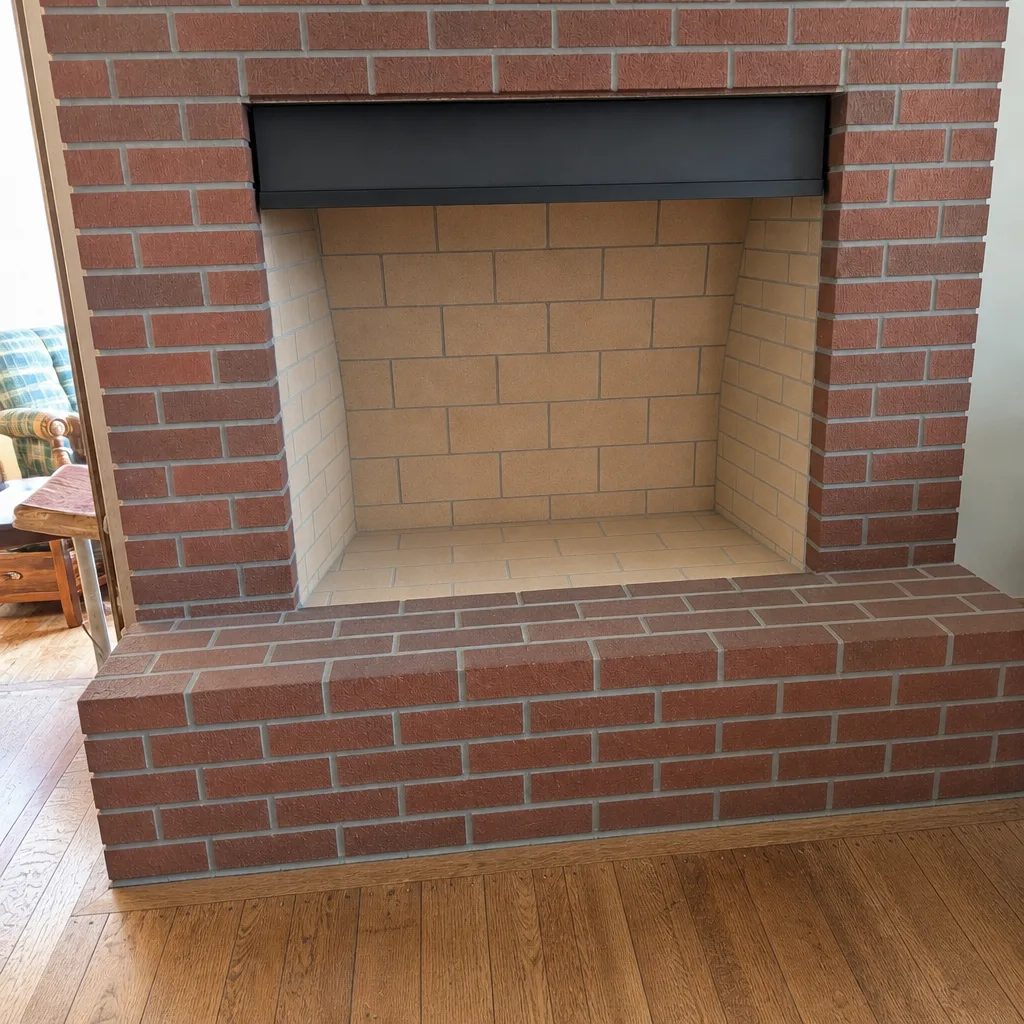
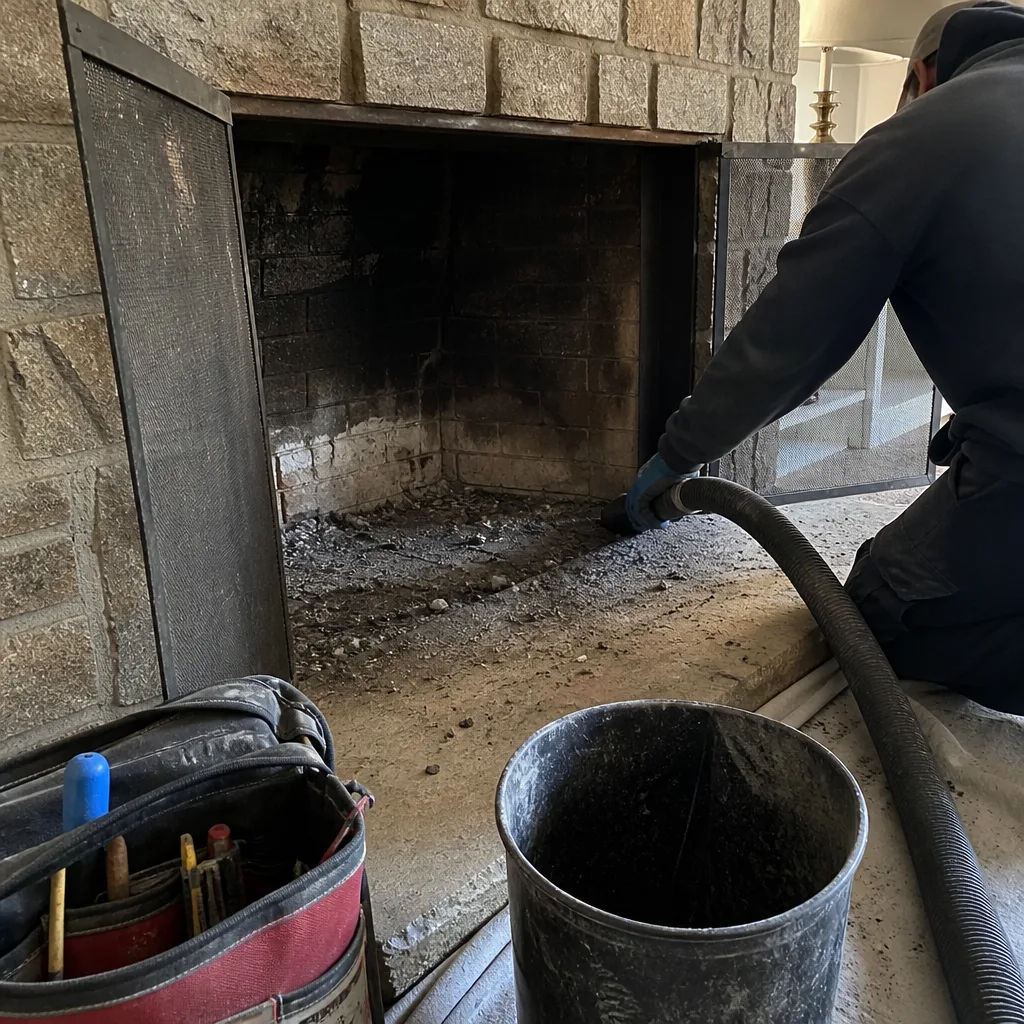
See the difference
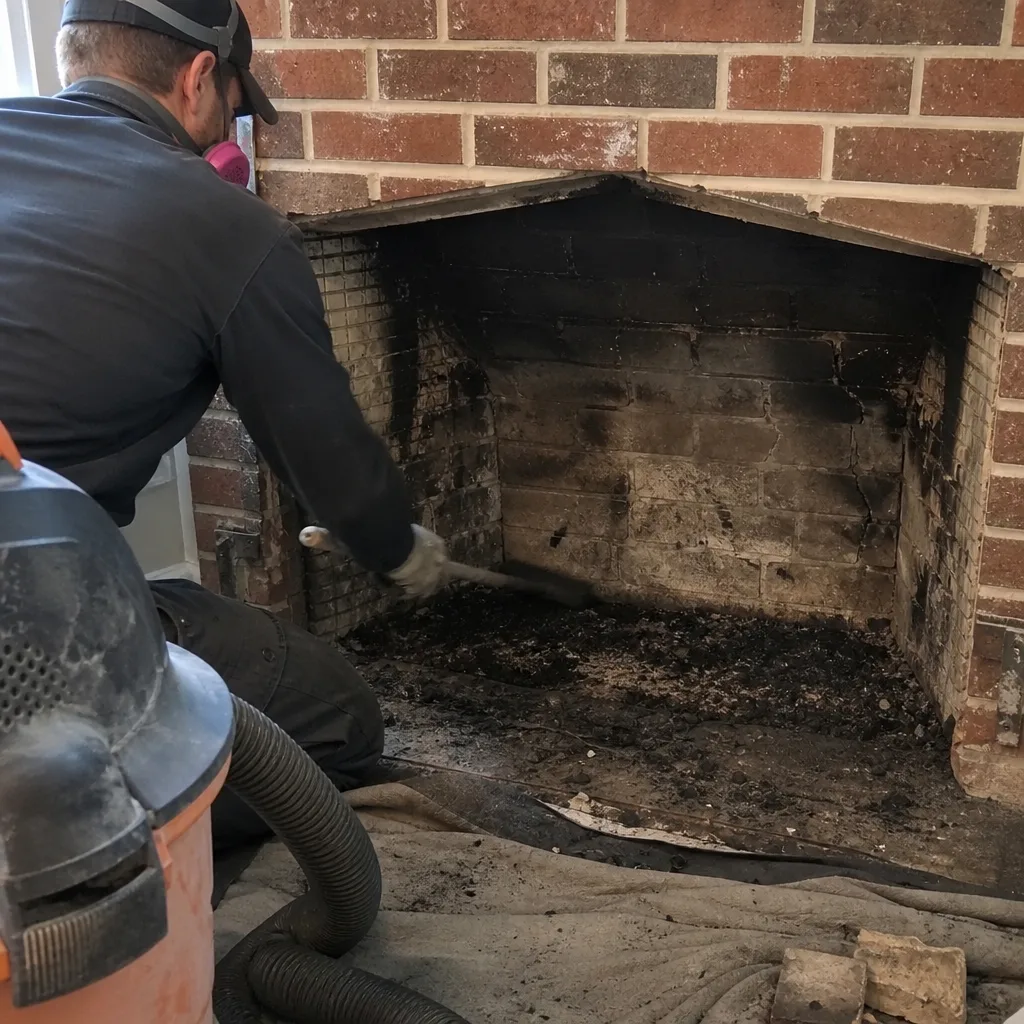 Before
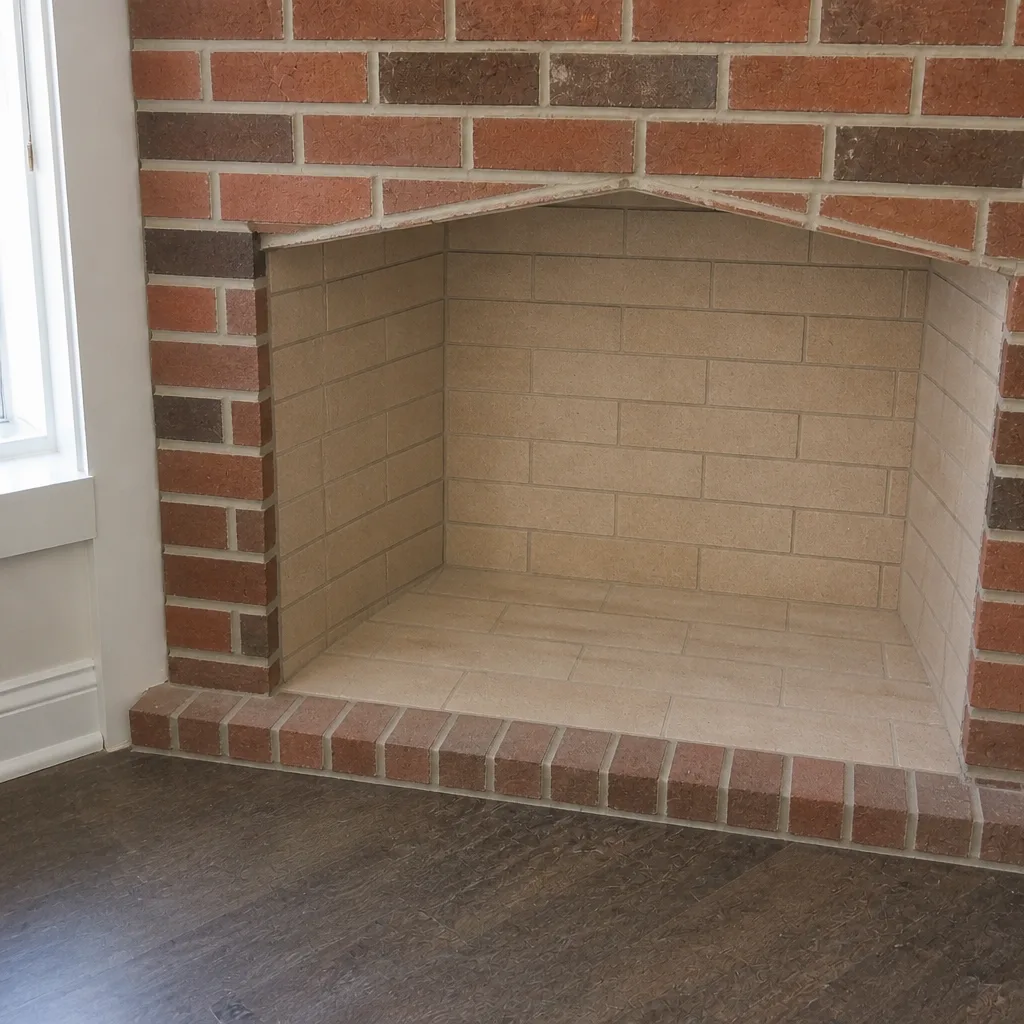 After
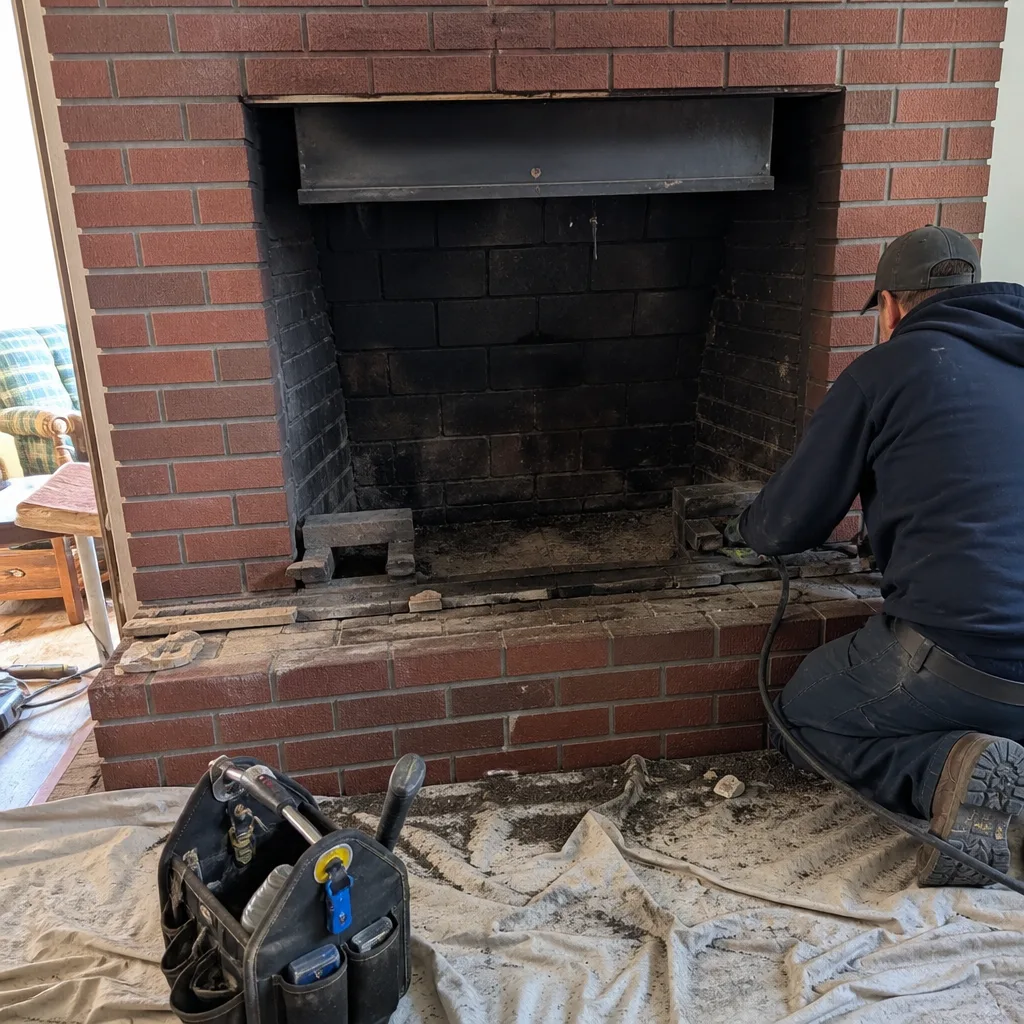 Before
 After
 Before
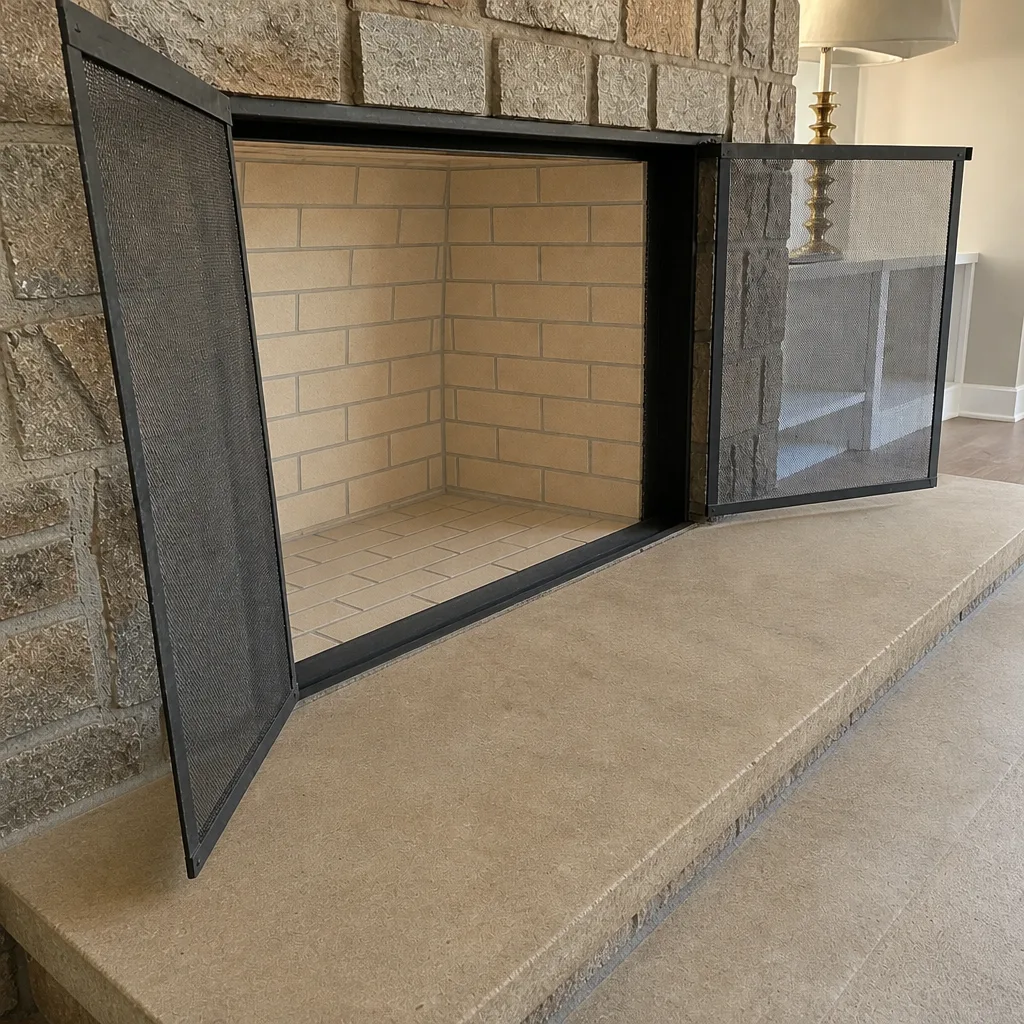 After
When to Call a Professional
Call a professional if it’s been a year or more since your last cleaning, if you’ve just bought a home with a chimney and don’t know its history, or if you notice smoke backing up, draft trouble, or a smell in the firebox between burns. Call before the heating season rather than after, because spring and summer are when the schedule is open and repairs can be scheduled without waiting. Call too if a previous sweep recommended liner or masonry work and you want a second look at documentation you can actually see. Those are exactly the scenarios where a written scope, a camera inspection, and a photo report matter most. Chimney Sweep Crabtree offers free estimates in Crabtree. Call (877) 820-9485. We answer 24/7, with fast dispatch from 7am to 7pm, Sunday through Friday.
Frequently Asked Questions
You only need a new liner if the camera inspection and photo report show a defect that a repair can’t safely address. A flue cracked or damaged beyond a ceramic resurfacing repair is a candidate for relining, but the recommendation has to come with evidence you can look at yourself. If the evidence shows the work can safely wait, we tell you so. Don’t approve a relining quote without seeing the footage that justifies it. If you’re weighing options, call (877) 820-9485 for an exact quote; estimates are free.
A chimney should be swept at least once a year, and more often if you burn heavily or use your fireplace through most of the winter. Annual servicing before the heating season is the standard, and it’s what we recommend for most homes in Crabtree. A camera inspection at each service catches problems small enough to repair before they become larger. Call (877) 820-9485 to book; estimates are free.
A chimney specialist focuses on one system and carries the camera equipment, material knowledge, and repair capability for it, while a general handyman spreads attention across dozens of job types. That depth is why a specialist can diagnose a flue problem, recommend the right repair material, and follow the job from sweep through to repair. We keep everything under one specialist, from cleaning to cap and crown work. Call (877) 820-9485 for an exact quote; estimates are free.
Chimneys and fireboxes live in heat, creosote, moisture, and draft, so a repair only lasts if it’s built with materials engineered for that environment. Hardware-store substitutes often fail within a season, which means paying twice for the same repair. We use manufacturer-grade products from Gelco, Olympia Chimney, Famco, and Copperfield, plus HeatShield for firebox and flue liner restoration. Call (877) 820-9485 to talk through your options; estimates are free.
A genuine recommendation comes with camera footage or photos you can review before you decide, not a verbal description and a same-day signature request. Ask to see the evidence, and ask which areas it covers. If a contractor can’t show you why the work is needed, don’t approve it. Our approach is nothing recommended without camera evidence you can see for yourself. Call (877) 820-9485 to book an inspection; estimates are free.
Skipping a cleaning lets creosote build up in the flue, and heavier buildup makes a chimney fire more likely and makes the flue harder to inspect. It also means a small crack or missing cap goes unnoticed for another year, which is exactly the kind of issue an early inspection catches. Chimney cleaning is a safety service, not upkeep you can defer indefinitely. Call (877) 820-9485 to book; estimates are free.
The Bottom Line
Hiring a chimney cleaning contractor in Crabtree comes down to asking the right questions before you book. Verify CSIA certification, and NFI certification if you have a gas appliance. Ask the four diagnostic questions that separate a specialist from a generalist. Get a written scope of work with a flat price agreed up front, and insist on a camera inspection with a photo report you can review yourself. Watch for vague line items, same-day pressure, and quotes you can’t verify. A focused specialist with the equipment, the materials knowledge, and the repair capability to follow the whole job through is worth choosing over a cheaper generalist. Chimney Sweep Crabtree handles the full chimney under one specialist, from the annual sweep to cap and crown work and relining.
Call (877) 820-9485 for a free estimate. We answer 24/7. Fast dispatch, 7am-7pm, Sunday through Friday.
Written by the team at Chimney Sweep Crabtree.