
Last updated November 23, 2026
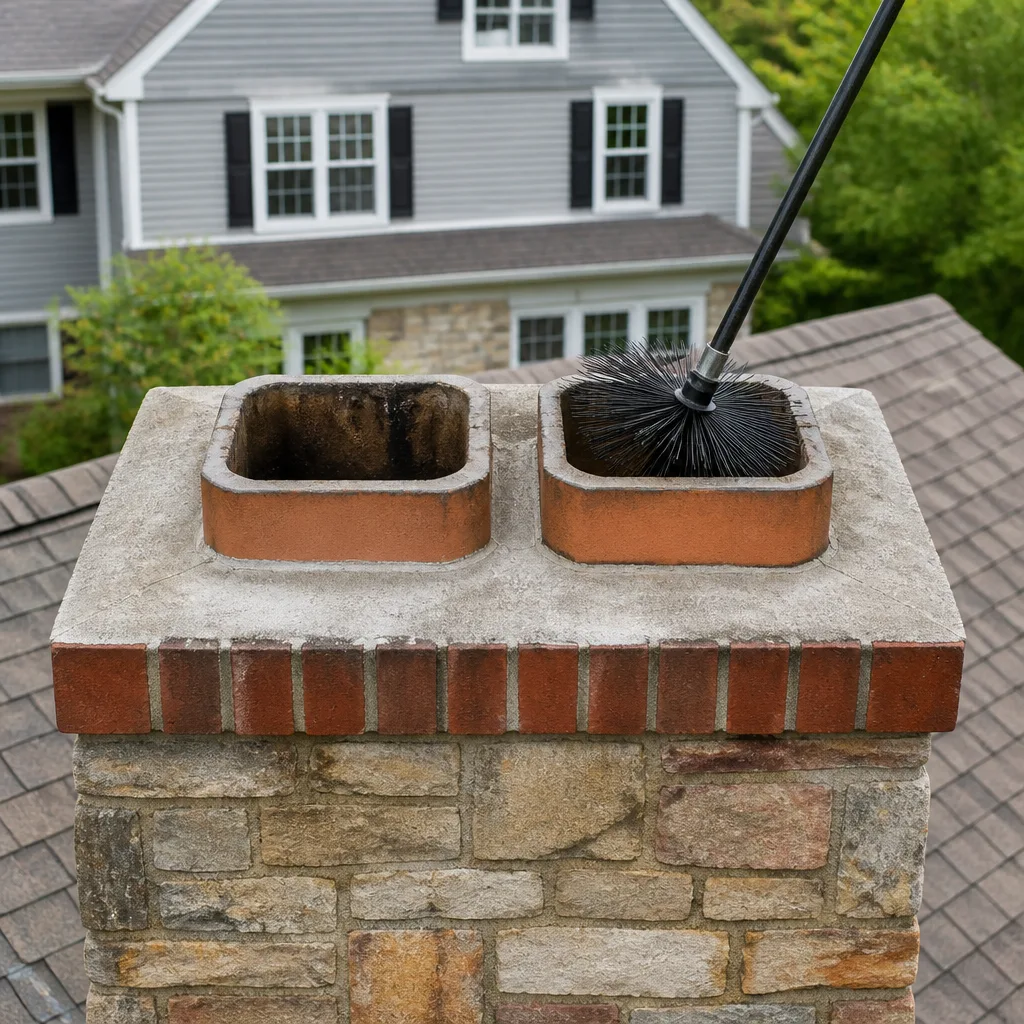 Sweep & inspection
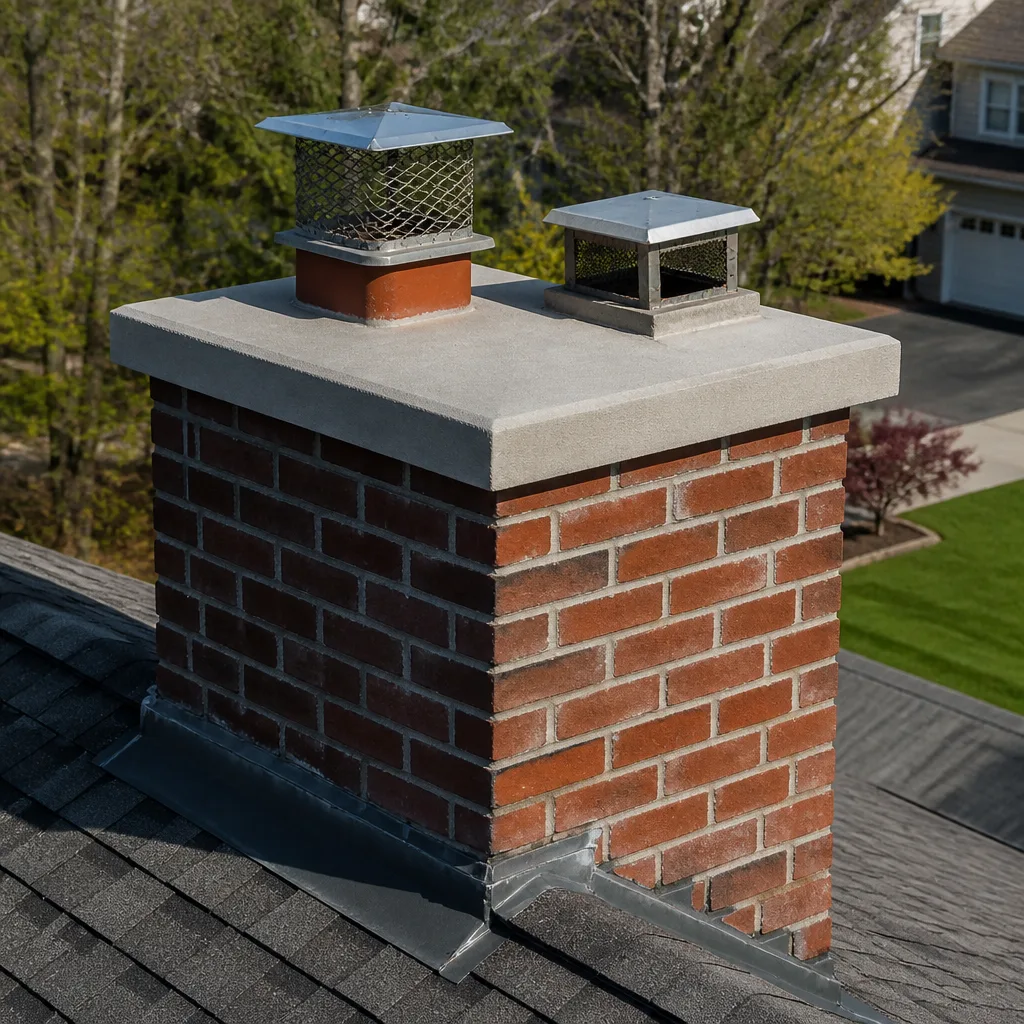 Caps & crowns
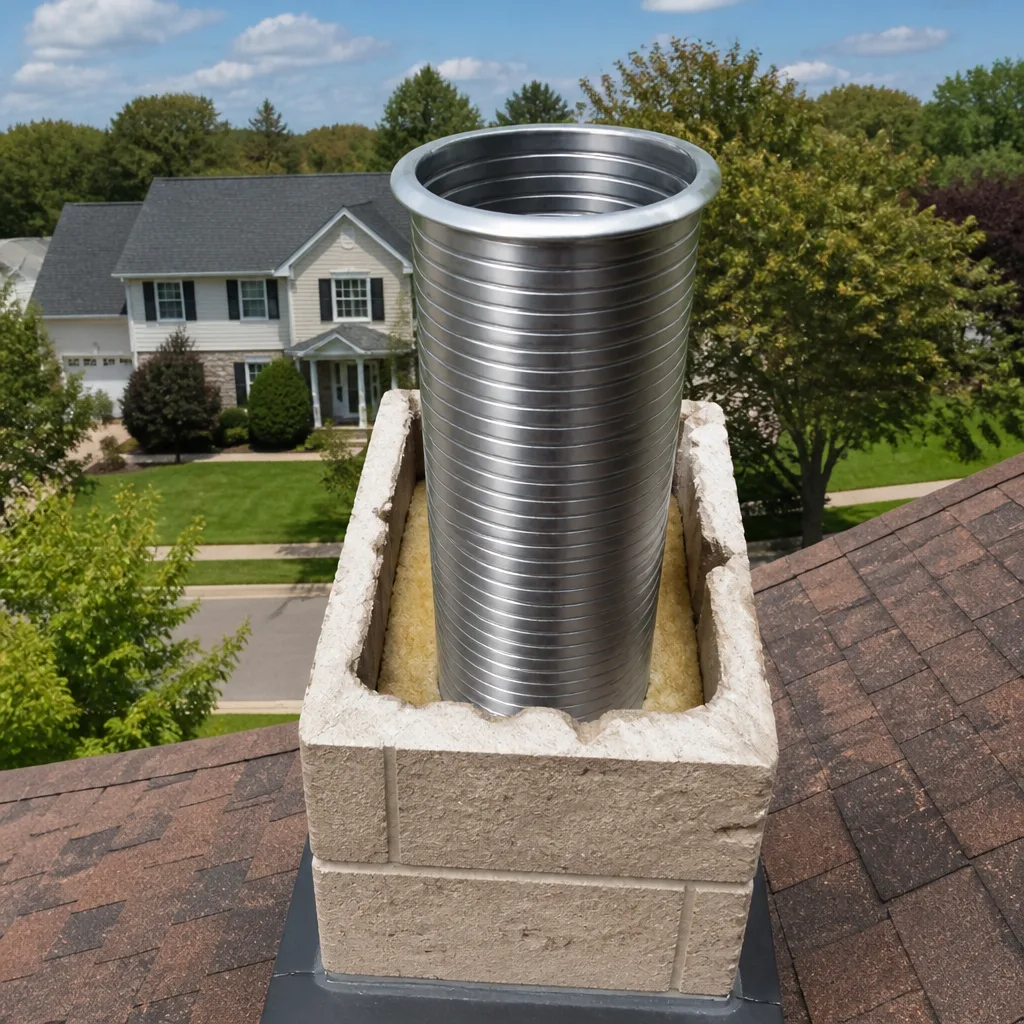 Flue relining
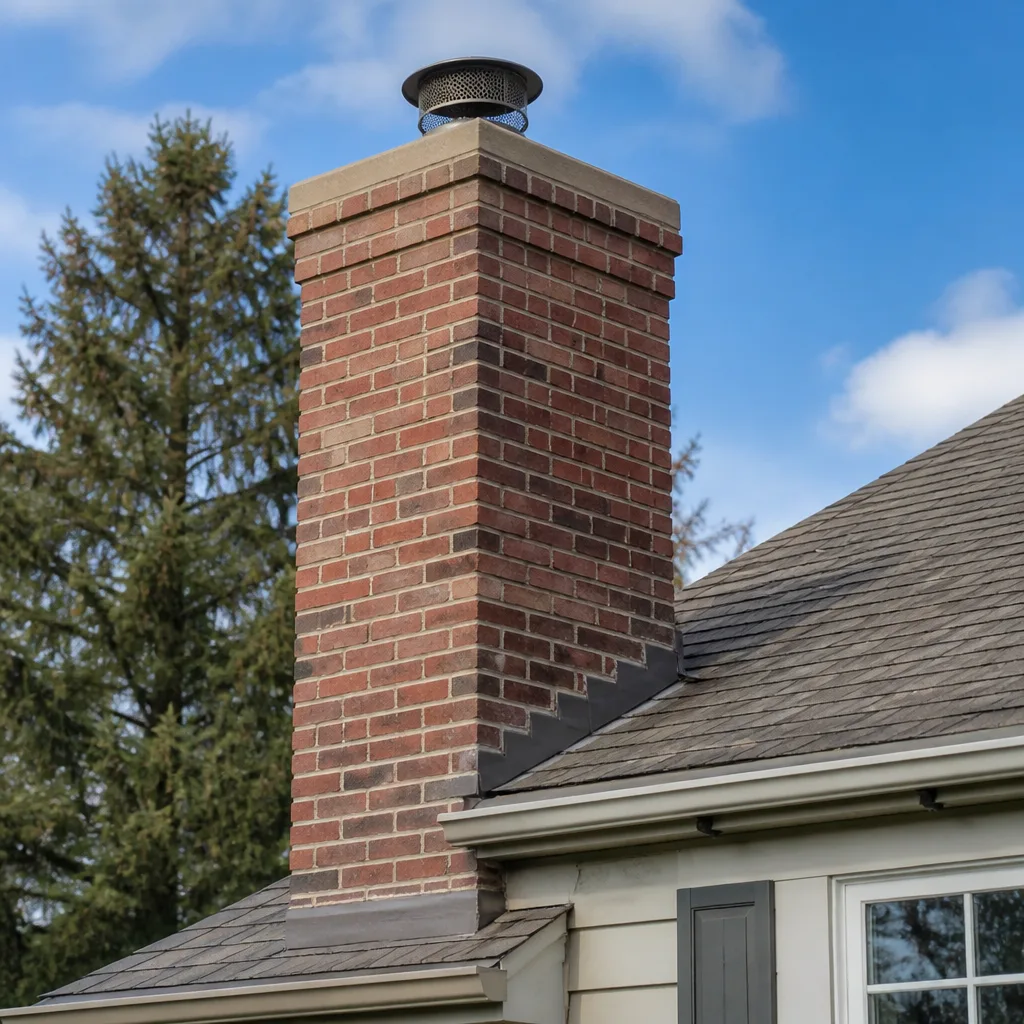 Masonry repair
 Gas fireplace service
Level 1 sweep and inspection to the NFPA 211 annual standard - flue, crown, cap, and flashing checked and photographed
Chimney sweep logs do not sweep chimneys. They loosen some creosote - which then falls where a brush and vacuum still have to collect it.
DIY vs Professional Chimney Cleaning: The Crabtree Homeowner’s Decision Guide
The brush kit on the hardware store shelf looks like the whole answer. A length of polypropylene rod, a wire or poly brush, a drill adapter, and for the price of a dinner out you’ve got everything you need to sweep your own chimney. Plenty of Crabtree homeowners buy one, use it once, and put it in the garage next to the paint cans. But here’s the part the box never tells you: those kits are built for maintenance brushing of a flue that’s already reasonably clean. They are not built to strip heavy, gummy, glazed creosote, and using them as though they are leaves the most combustible material in your chimney right where it sat. This guide walks you through the actual conditions that make DIY sweeping safe and adequate, the ones that make it a bad bet, and how to decide honestly which situation you’re in.
Quick Answer
DIY chimney cleaning is genuinely adequate only in a narrow case: a single-story chimney with a straight flue, wood-only burning, and confirmed light Stage 1 creosote. In any other situation, professional equipment and a trained eye do the job that a consumer brush kit cannot, and the difference shows up in both safety and documentation. A professional chimney sweep in Crabtree includes an inspection that tells you what was actually in the flue, which a DIY brush pass never does.
Styles & brands we work with
- Sweep & inspection
- Caps & crowns
- Flue relining
- Masonry repair
- Gas fireplace service
Table of Contents
- What DIY Chimney Brush Kits Are Actually Designed For
- The Creosote Stages and Why They Decide Everything
- When DIY Sweeping Is Genuinely Adequate
- What Professional Equipment Does That Consumer Kits Cannot
- The Real Cost Comparison: Tools, Disposal, and Time
- The “I’ll Clean It and Have a Pro Inspect It” Hybrid
- Liability and Insurance: The Documentation You Can’t DIY
- Crabtree Chimneys: Climate, Housing, and Burning Season
What DIY Chimney Brush Kits Are Actually Designed For
A chimney brush kit is a maintenance tool. Its job is light brushing of an interior flue surface that’s mostly already clean, a few times a season, to knock down loose soot and light powdery deposits before they build into something thicker. That’s why the brushes are sized by flue dimension and the rods come in standardized lengths: the kit is meant to follow the inside of a straight, accessible flue at a consistent diameter.
The trouble starts when homeowners read “chimney brush” and assume the word “clean” is implied. It isn’t. A polypropylene brush with a drill adapter spinning on a consumer rod is a light-touch tool. It will scrub soot. It will not remove glazed or tar-like creosote, and if you bear down on a heavy deposit with a wire brush on a drill, you can burn through rods, scratch a flue, or push a chunk of material down the flue instead of out the top.
We’ve seen the aftermath in Crabtree more than a few times. A homeowner brushes a flue that hasn’t been swept in several seasons, hits a shelf of Stage 2 creosote, gives up, and assumes the chimney is clean because the brush came back out. From the top, the flue looks grey. Down inside, the dangerous layer is untouched.
What DIY Kits Do Well
- Removing light soot and powdery deposits from a flue that’s been swept within the last year
- Cleaning a straight, single-story flue you can access safely from the roof or through a fireplace opening
- Maintenance passes between professional sweeps in an active fire season
What DIY Kits Don’t Do
- Strip glazed, tar-like, or heavily built-up creosote
- Contain dust and soot in the room; a wire brush on a rod throws fine particulate into the air you breathe
- Inspect the flue with a camera scope to find cracks, gaps, or a failed liner
- Produce a written record of what the flue looked like before and after
The Creosote Stages and Why They Decide Everything
Creosote forms when wood smoke cools before it leaves the chimney. The deposits it leaves come in recognizable stages, and the stage is the single biggest factor in whether DIY sweeping is safe:
- Stage 1: Light, flaky, sooty. Brushes off with a standard sweep. A DIY brush pass can handle this in a straight flue.
- Stage 2: Dense, crusty, sometimes tar-like. Sticks to the flue surface and resists brushing. Needs rotary equipment and a trained operator.
- Stage 3: Glazed, hardened, almost glassy. Requires rotary chains and specialist attention, and often reveals a liner problem underneath.
You cannot tell the stage from the firebox. Stage 2 and Stage 3 buildup is often visible only when you look down the flue with a light and a scope, or when you sweep and see what actually comes out. That’s one of the reasons a professional sweep isn’t just a cleaning; it’s a judgment call about what was in the flue before the brush touched it.
Why Stage 2 Is Where DIY Goes Wrong
Stage 2 creosote is where fires start. It’s combustible, it’s stubborn, and it can sit in a flue for a decade while the homeowner sweeps the soot off the top and calls it done. A hardware-store brush kit doesn’t touch it. A rotary system with the right head and the right operator does. If you sweep your own chimney with a light kit and assume the job is complete, you may be leaving the most dangerous material in your chimney untouched.
When DIY Sweeping Is Genuinely Adequate
There is a real answer here, and it isn’t “never.” A homeowner who knows what they’re doing can sweep a chimney safely. But “genuinely adequate” is narrower than most people think. For DIY sweeping to stand on its own, all of the following should be true:
- Single-story chimney. You can access the flue from a stable rooftop or a safe interior point without handling a ladder at height or climbing over a steep roofline.
- Straight flue. No offsets, no sharp bends, no flue that changes diameter. Rods bind on bends and can damage the liner.
- Confirmed Stage 1 buildup only. If you can’t confirm the stage, you’re guessing.
- Wood-only burning. No trash, cardboard, treated lumber, or green firewood. Burning anything else produces deposits a brush kit can’t handle.
- Recent sweep history. The flue was professionally swept within the last season, and you’re doing an in-between maintenance pass, not the annual cleaning.
- No water in the flue, no visible damage, no history of chimney fires. Any of these means the chimney needs more than a brush.
If you can’t check every box, you’re in professional territory. That’s not a sell. That’s the honest line.
What a Homeowner Actually Needs to Do It Safely
If you decide DIY is right for your Crabtree home, you’ll need a correctly sized brush for your flue, a safe work position, a drop cloth and plastic sheeting to contain the mess, a respirator rated for particulate, gloves, eye protection, and a way to dispose of the soot afterward. Plan on a couple of hours for a first run, and don’t be surprised if you find you need a second pass.
What Professional Equipment Does That Consumer Kits Cannot
The gap between a consumer brush kit and a professional sweep is not about effort. It’s about equipment designed for the actual worst case, not the best case. Here’s what a professional rig brings that a DIY kit doesn’t:
- Rotary sweeping systems. Motorized whips and chains that spin at controlled speed to cut through Stage 2 and Stage 3 creosote. This is the tool that separates a clean flue from a brushed one.
- HEPA containment vacuums. These pull fine soot particulate out of the air rather than letting it settle across the room. If you sweep in a house with anyone with asthma or a young child, this matters.
- Inspection camera scopes. A camera on a flexible rod that shows what the flue actually looks like at every joint and bend. A brush never sees this. It only feels it.
- Access and safety gear. Proper rooftop access equipment and fall protection that makes the job safe on Crabtree’s varied rooflines.
- Specialty components for repairs. If the sweep uncovers a problem, a specialist can bring the right material in the same visit, from DuraFlex liner systems to HeatShield ceramic resurfacing for a firebox that needs repair, not a full tear-out.
That last point is worth a pause. A DIY sweep can tell you there’s a problem if you happen to see it. A professional sweep tells you what the problem is, what it will take to fix it, and whether it can wait. That’s the information gain between a brush and a sweep.
The Real Cost Comparison: Tools, Disposal, and Time
DIY looks cheaper because the only number on the receipt is the brush kit. It isn’t the only cost. Here’s how the two compare over a single job:
DIY Sweep
- Brush kit sized for your flue: cost of the kit itself, typically under what a single professional sweep runs, and often the entire reason homeowners try DIY first
- Respirator, gloves, drop cloths, and plastic sheeting: additional materials on top of the kit
- Disposal: you’ll need to bag and dispose of soot properly, which most homeowners don’t plan for
- Time: several hours for a first-time sweep, more if you need a second pass
- Cleanup: fine soot settles on every surface in the room, and a consumer shop vac stirs it right back up
Professional Sweep
- One visit, one price set by a written estimate before the work starts
- Containment and cleanup included; you don’t touch the soot
- Inspection included, so you know what was actually in the flue
- No tool or respirator to buy
For a one-time sweep, DIY is often cheaper on paper. It stops being cheaper the moment a DIY sweep misses a Stage 2 deposit, or the homeowner can’t confirm whether the job was done right, or a repair that would have been caught in an inspection turns into a bigger job later. The math flips the other way when the chimney is swept once a year for the life of the house. A tool kit you buy once and use once sits in the garage. A professional sweep you book once a year gives you a documented record every season.
What a Professional Sweep Includes
When you book with a dedicated specialist like Chimney Sweep Crabtree, the visit includes a sweep, a visual inspection with a scope where needed, a report of what we found, and a written estimate if something needs repair. The sweep isn’t just a brush pass. It’s a check-up.
The “I’ll Clean It and Have a Pro Inspect It” Hybrid
The hybrid approach is a real strategy, and it works when the conditions line up. The idea is simple: the homeowner does the light brushing between professional sweeps, and the professional does the annual sweep and inspection. This is a reasonable plan in a Crabtree home with a single-story, straight-flue chimney and a fire that burns clean wood.
It falls apart in two cases:
- You can’t confirm the creosote stage. If you’re brushing without knowing what’s underneath, the inspection finds the problem after you’ve already invested hours. That’s still fine, but you’re not saving time.
- You’re using the inspection as a substitute for the sweep. An inspection is not a sweep. It tells you what’s there; it doesn’t remove it. If the inspection finds Stage 2, the chimney still needs a professional sweep before anyone uses it.
If you’re going to run a hybrid plan, the more honest version is this: let the professional do the annual sweep and inspection, and let your brush kit be a mid-season maintenance pass. That’s the version that holds up. Sweep before the burning season starts, get the inspection on record, and use the brush kit for soot only.
When the Hybrid Plan Doesn’t Work
Skip the hybrid plan if your home has a multi-story chimney, a flue with an offset, a masonry chimney with visible cracks or missing mortar, a metal chimney insert, or a fireplace you’ve just bought a house with and never had inspected. In each case, the inspection has to come first, and the first sweep needs to be a professional one.
Liability and Insurance: The Documentation You Can’t DIY
Here’s the part most DIY guides skip entirely. When you sweep your own chimney, nothing gets written down. No date on file, no scope photos, no record of what the flue looked like before and after the sweep. That matters for exactly one reason: chimney fires.
Chimney fires are the risk that makes documentation matter. They’re often quiet, and plenty of homeowners never know they happened until a later inspection finds the damage. If a chimney fire does occur, a documented sweep history tells your insurance company the chimney was maintained and inspected on a schedule. A DIY sweep history tells them nothing. That’s not a pitch against sweeping your own chimney; it’s just the fact that a DIY sweep produces no record, and a professional sweep does.
The same logic applies to buying a home in Crabtree with a chimney. A pre-purchase inspection produces a written report you can keep, reference, and share with your insurer. A homeowner who cleans the chimney themselves before selling can’t produce that report, and the buyer’s inspector will look at the flue without any context for what was there before.
What a Professional Sweep Puts in Writing
- The date of the sweep
- The condition of the flue and firebox at the time of inspection
- Any findings that need repair, with a written estimate
- Notes on what was actually removed from the flue
That’s the difference between “I swept it and it seemed fine” and a document that stands behind the claim.
Crabtree Chimneys: Climate, Housing, and Burning Season
Crabtree sits in western North Carolina, in a mountain valley where the burning season runs long and the winters are cold enough that the fireplace earns its keep. That long season compounds the creosote problem, because more wood burned means more deposit, and the shoulder months of cool nights and warm days produce the kind of incomplete burns that build Stage 2 faster than a deep-winter fire does.
The housing stock in Crabtree makes the DIY decision more complicated than it looks on paper, too. A lot of homes here were built with the fireplace as a working heat source, not a decorative centerpiece, and a lot of them have chimneys with an offset or a bend that a homeowner can’t see from the firebox. A single-story straight flue is the exception in some Crabtree neighborhoods, not the rule. That means the “single-story straight flue” condition for DIY often doesn’t hold, and the homeowner who assumes it does may be sweeping a flue with a bend they can’t reach.
Why Fall Is the Right Time to Decide
The best time to make the DIY-versus-professional call is before the first fire of the season, not after it. Sweep in the fall, before the fireplace sees regular use, so any problem gets caught before the burning season starts. A chimney that’s swept in September or October is a chimney that’s been checked before it matters.
For Crabtree homeowners who use their fireplace as a real heat source through the winter, the annual sweep is the baseline. The DIY brush kit is a maintenance tool layered on top, not a substitute for the annual inspection. If you’re looking at a fireplace that needs more than a sweep, our fireplace repair service handles the firebox, damper, and masonry side of the job. If the crown or cap is cracked or missing, that’s a chimney cap & crown job, and it’s also a common reason a flue takes on water and starts failing.
Common Mistakes to Avoid
- Assuming a hardware-store brush kit handles any creosote. The kit works on Stage 1 and nothing heavier. If you can’t confirm the stage, assume the brush won’t cut it.
- Sweeping without inspecting. A brush tells you nothing. A camera scope tells you the flue is cracked, offset, or lined with Stage 2. DIY sweeping skips the step that actually catches problems.
- Doing a first sweep from a ladder. Rooftop access without fall protection on Crabtree’s varied rooflines is where homeowner sweeps go wrong. If you can’t reach the flue safely, you can’t sweep it safely.
- Burning green or unseasoned wood to get through the shoulder months. Wet wood produces the thick, gummy creosote that brushes can’t touch, and it builds faster than most homeowners expect.
- Using an ordinary shop vac. A standard shop vac forces fine soot back into the room’s air. That’s a mess at best and a health concern at worst, especially in a house with anyone with asthma.
- Treating the inspection as optional after a DIY sweep. The inspection is the only part of the job that finds what the brush left behind.
- Waiting until you hear a problem. A chimney doesn’t tell you it needs attention until the deposit is already heavy. Sweeping before the season is the only reliable timing.
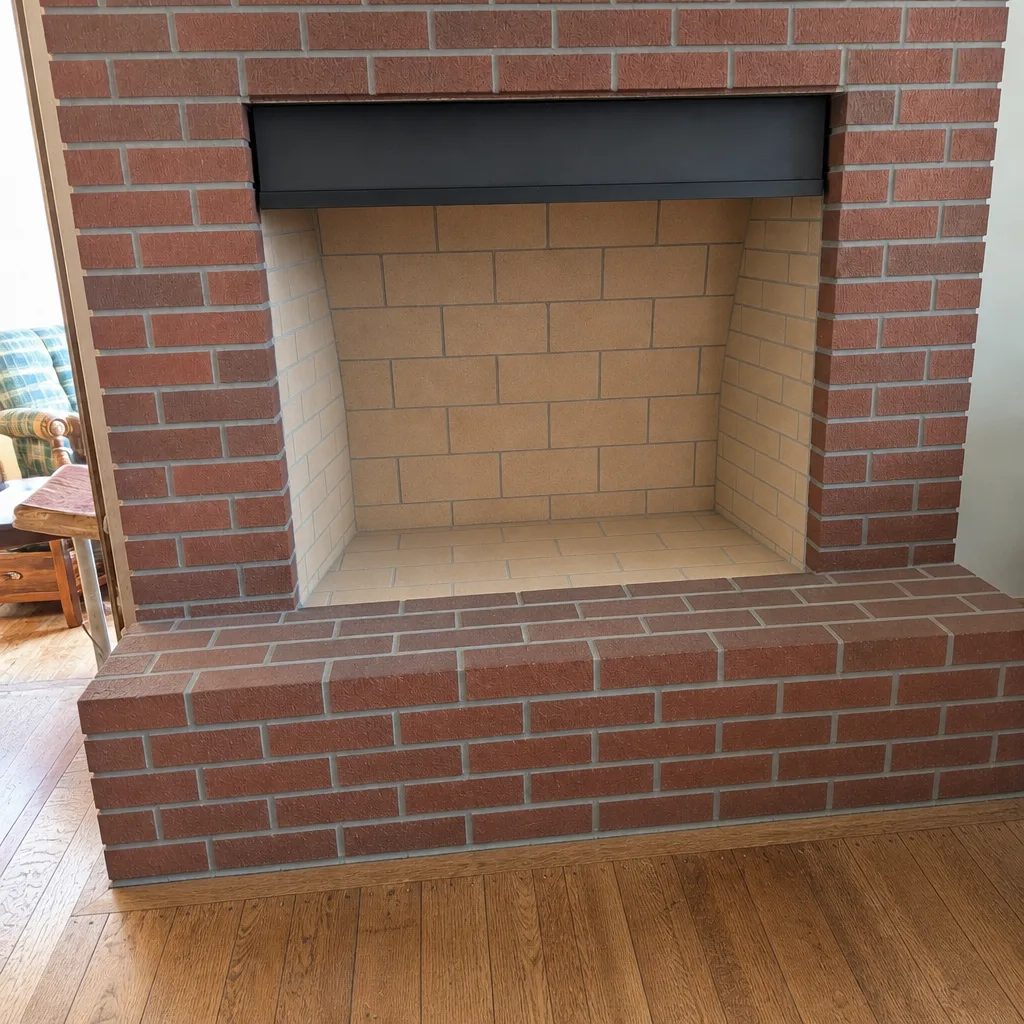
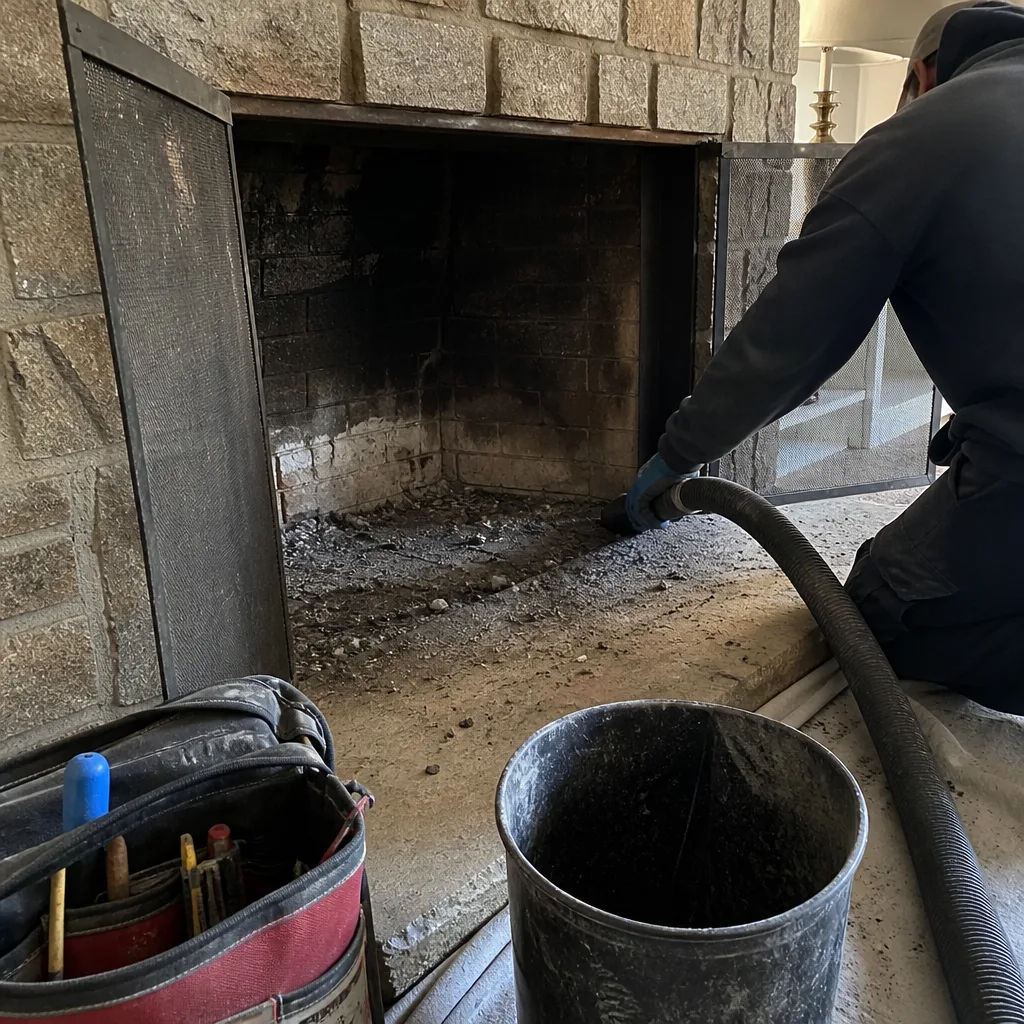
See the difference
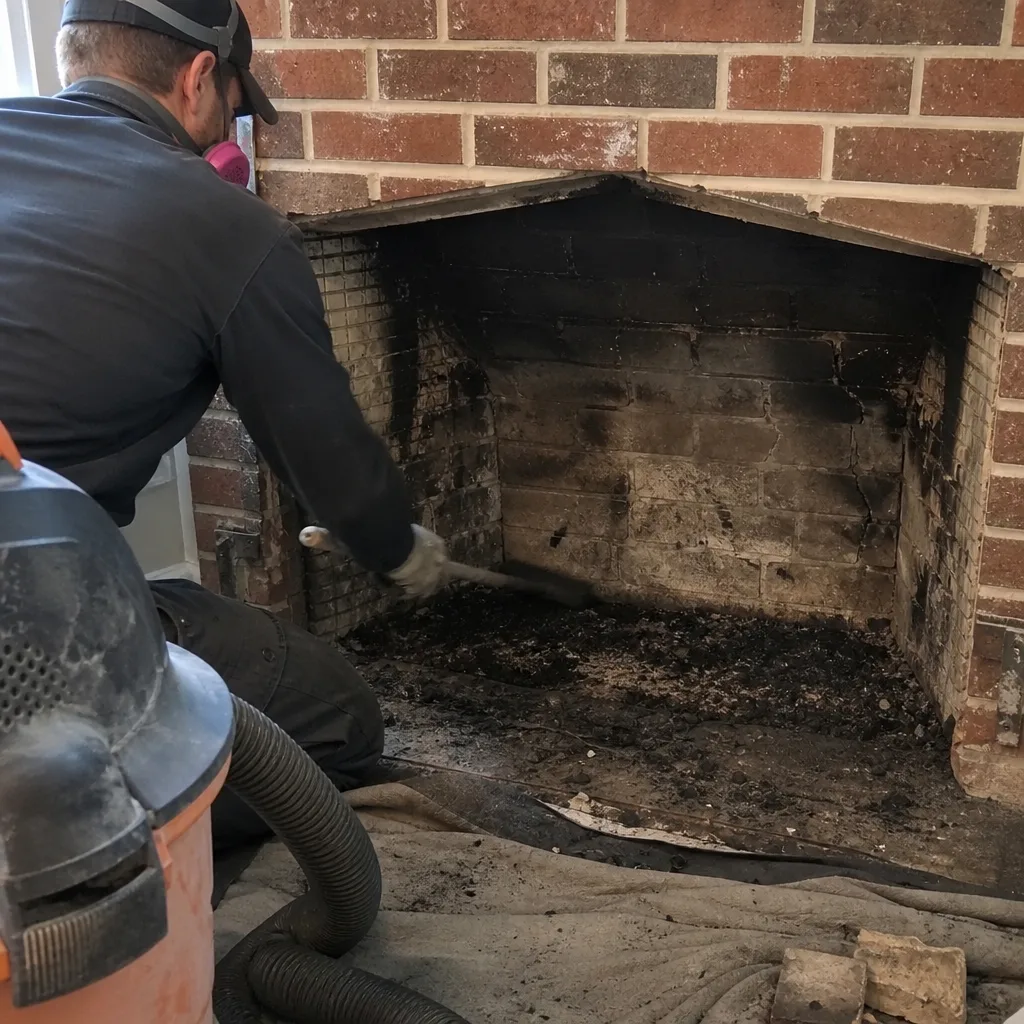 Before
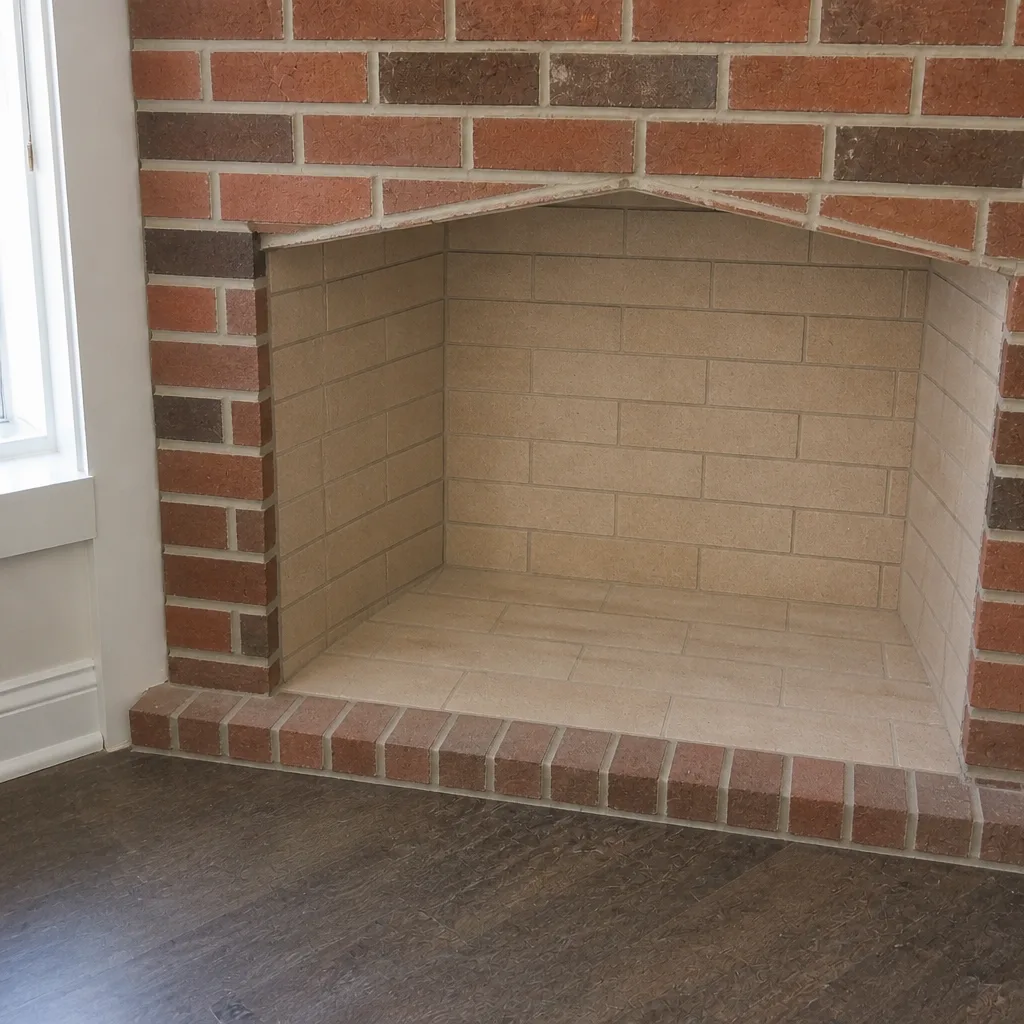 After
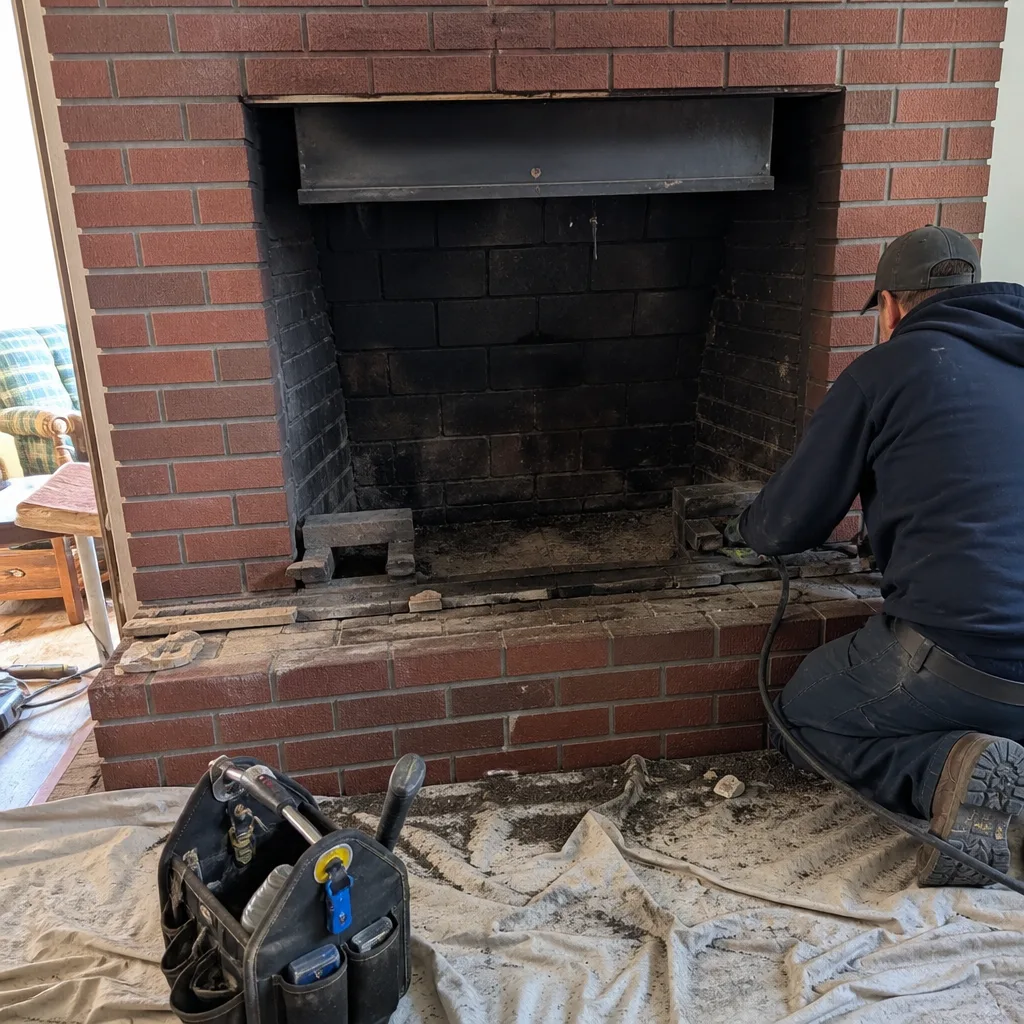 Before
 After
 Before
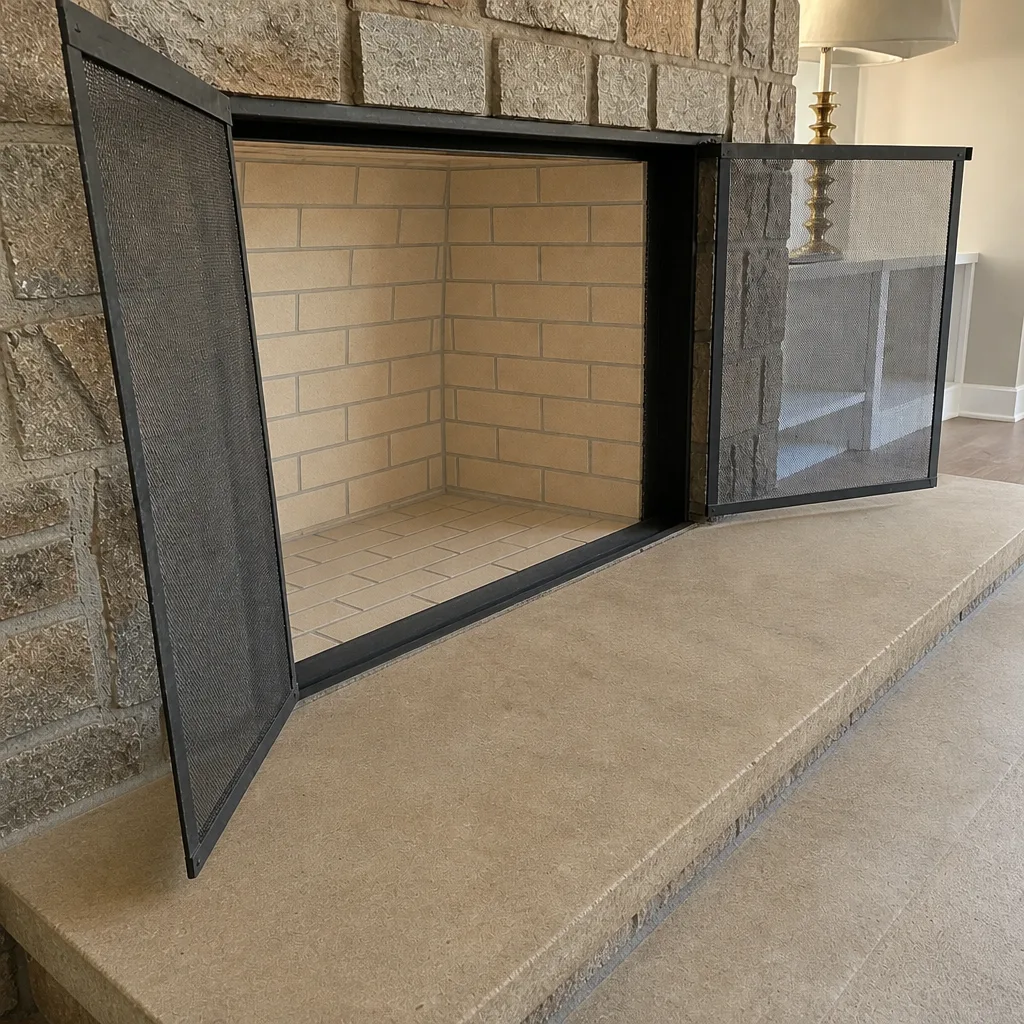 After
When to Call a Professional
Call a professional for a first sweep in a home you’ve just bought, for any chimney that hasn’t been swept in a year or more, for any chimney with a multi-story or offset flue, and any time a DIY sweep turns up heavy, sticky, or glazed deposits. Call us if you saw a chimney fire, even a small one; that’s a defect inspection, not a sweep. Call us if your fireplace smokes into the room, if the flue smells like tar, or if the crown or cap is damaged. Our technicians have up to 14 years of experience, we answer 24/7, and fast dispatch from 7am to 7pm runs Sunday through Friday. We’re closed on Saturday.
Frequently Asked Questions
It can be safe if the chimney is single-story, straight-flued, wood-only, and confirmed Stage 1 buildup, with no visible damage. It is not safe to sweep a chimney with heavy creosote, a flue with an offset, or any chimney you’re uncertain about. When in doubt, call a professional.
No. Stage 2 creosote is dense and crusty, and consumer brush kits are not built to strip it. Removing Stage 2 requires a rotary system and a trained operator who can judge how the flue responds. A homeowner brush pass over Stage 2 leaves the most combustible material in place.
Sweep annually, and more often if you burn heavily through the long mountain winter. The best practice is to sweep before the burning season starts, in the fall, so the flue is checked before the first fire. A homeowner who burns frequently through the shoulder months should pair the annual sweep with a mid-season inspection.
It won’t void coverage by itself, but a DIY sweep creates no documentation, which is a real problem if a chimney fire later occurs. Your insurer will want to see that the chimney was maintained and inspected on a schedule. A professional sweep produces a written record; a DIY sweep does not.
A professional sweep includes the sweep itself, a visual inspection with a camera scope where needed, and a written report of what was found. That’s the difference between removing soot and knowing the condition of the flue. If the inspection finds a repair, a specialist can recommend the right fix, from HeatShield ceramic resurfacing for a firebox to a DuraFlex liner system for a flue that needs relining.
Yes, if you want to know what was actually in the flue. A homeowner sweep can remove soot without confirming the creosote stage or spotting a crack or gap. An inspection is the only step that catches the problems a brush can’t. Call us to book one before the season starts.
The price is set per job by a written estimate, and the estimate itself is free. The reason we quote per job is that a single-story sweep and a multi-story sweep with an offset are not the same job. Call for an estimate and we’ll quote it based on your flue, not a flat rate.
The Bottom Line
The DIY brush kit is a real tool, and there’s a real case for using it: a single-story, straight-flued, wood-only chimney with confirmed Stage 1 soot, swept within the last year. That’s the box where DIY holds up. Outside that box, the brush leaves the dangerous material behind, the inspection doesn’t happen, and the documentation doesn’t exist. The decision should come down to the conditions in your flue, not the price of a kit. If you’re not sure which box you’re in, that’s the answer: get it inspected, and let a specialist tell you what’s actually there before you light the first fire of the season. Call (877) 820-9485 for a free estimate. We answer 24/7. Fast dispatch from 7am to 7pm, Sunday through Friday. If you’d rather read up on the service side first, start with our chimney sweep page.
Written by the team at Chimney Sweep Crabtree.