
Last updated November 23, 2026
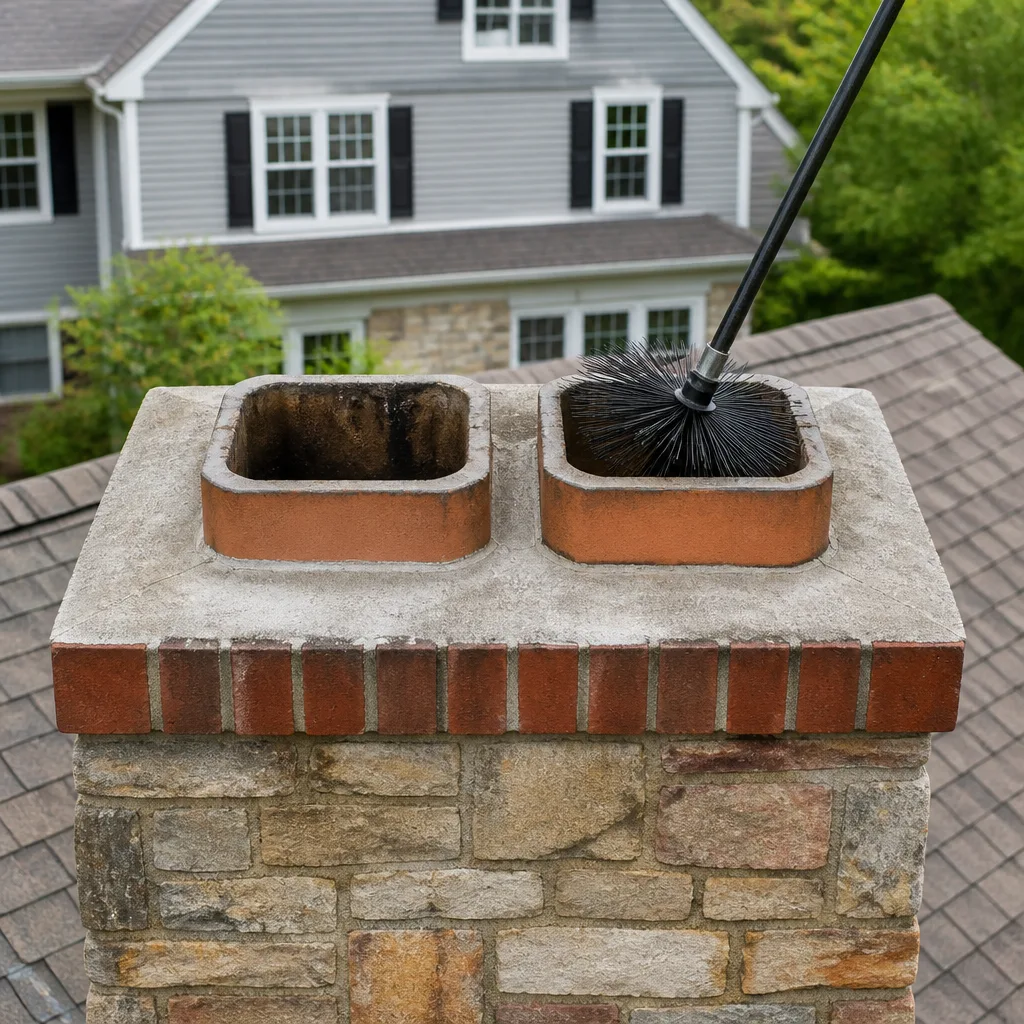 Sweep & inspection
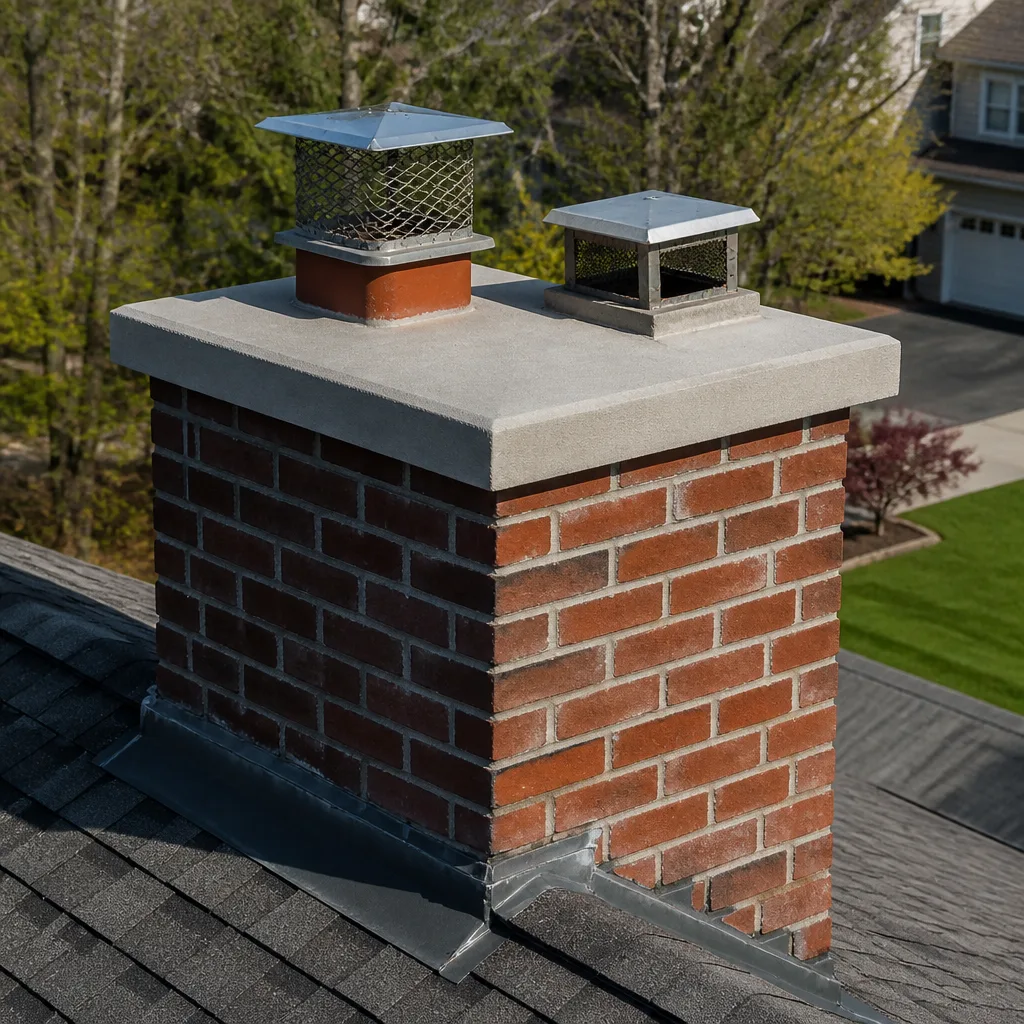 Caps & crowns
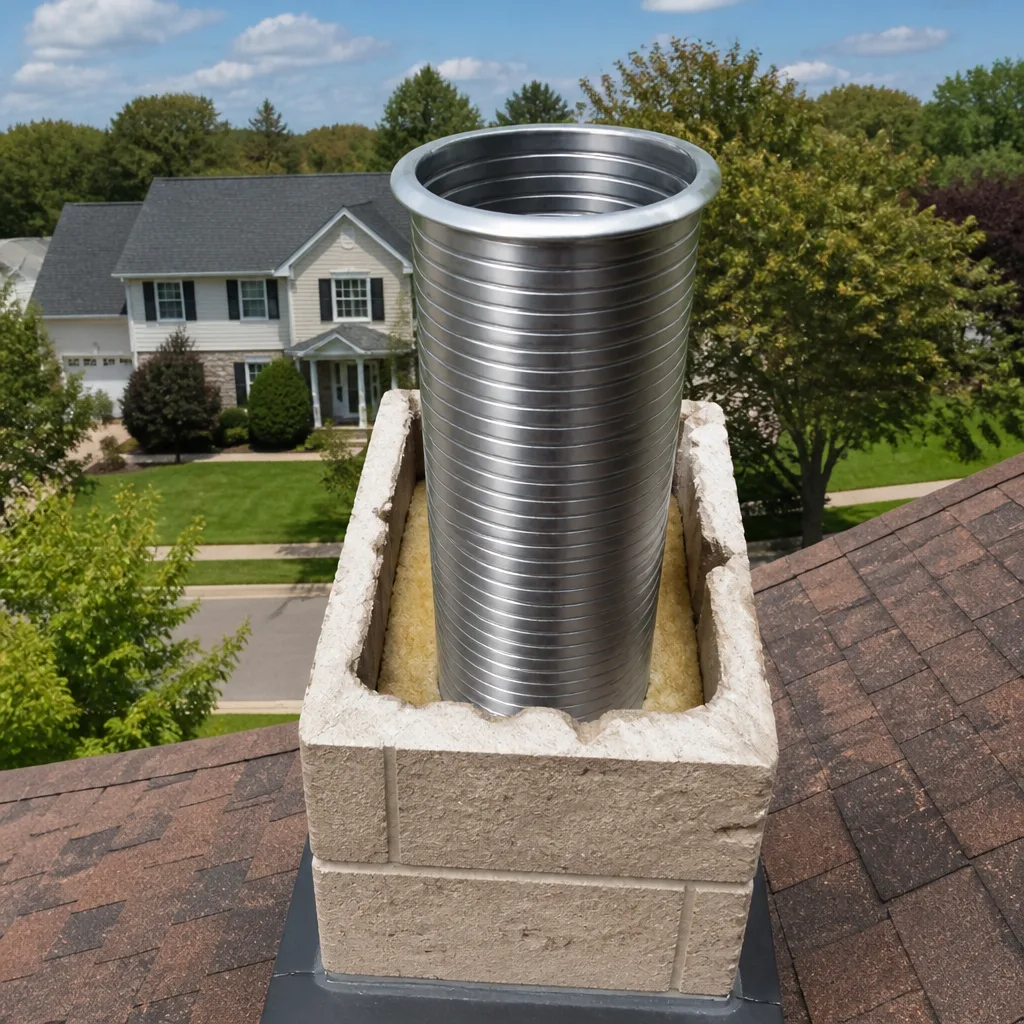 Flue relining
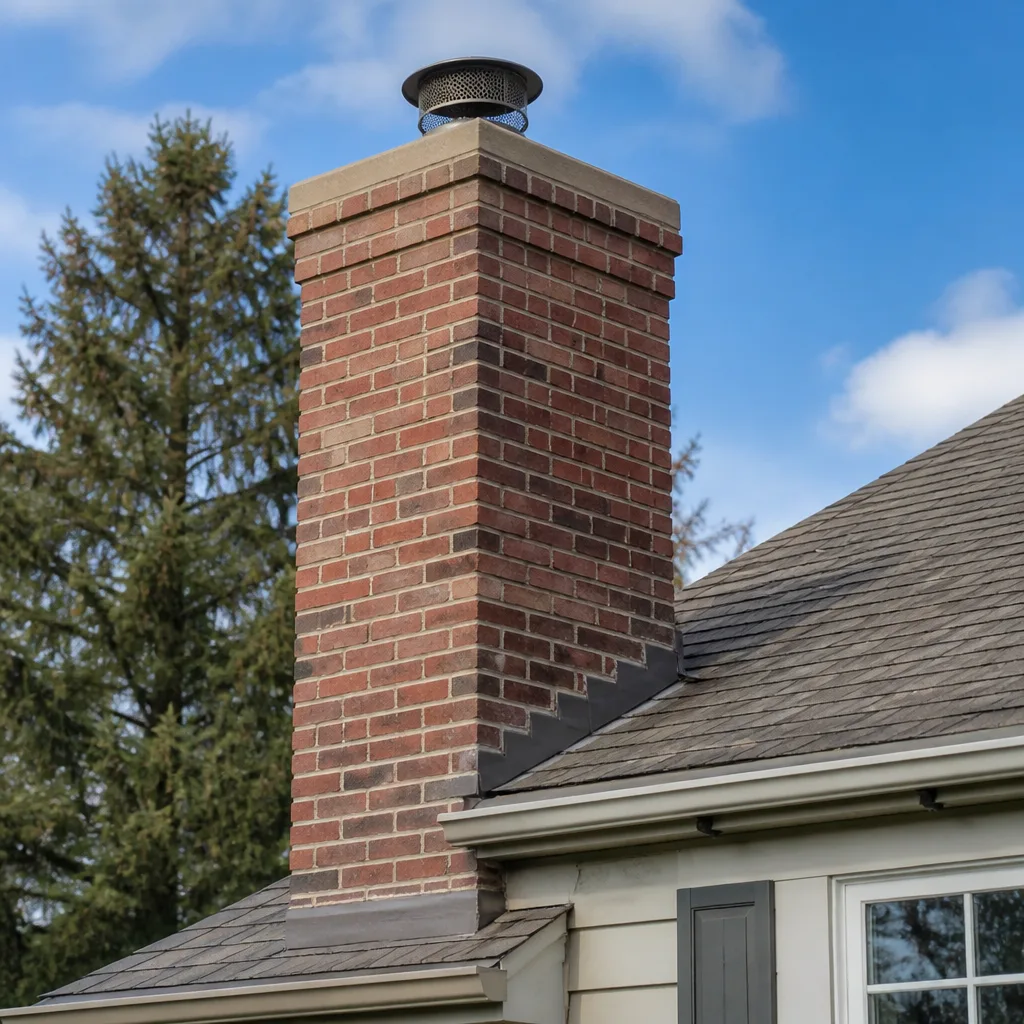 Masonry repair
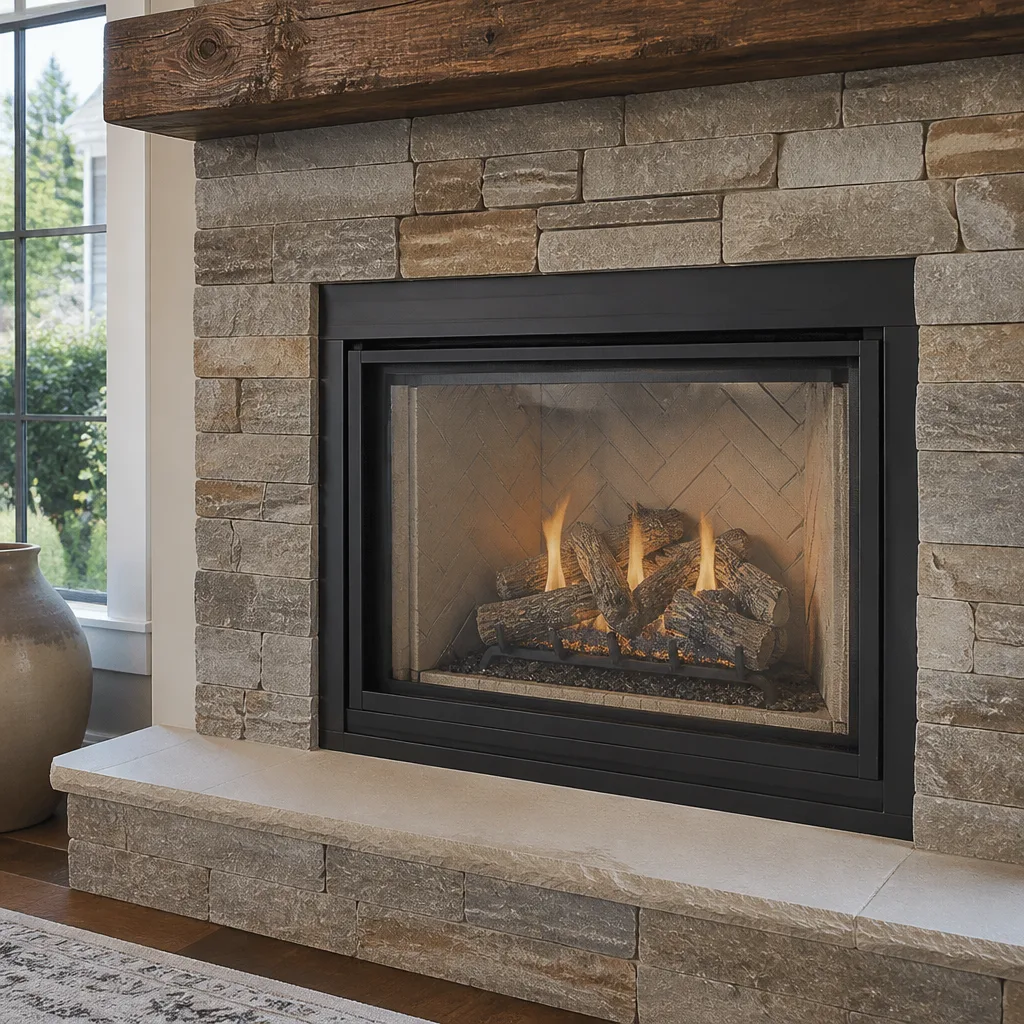 Gas fireplace service
Level 1 sweep and inspection to the NFPA 211 annual standard - flue, crown, cap, and flashing checked and photographed
Chimney sweep logs do not sweep chimneys. They loosen some creosote - which then falls where a brush and vacuum still have to collect it.
Chimney Sweep Maintenance Checklist for Crabtree Homeowners
Most homeowners treat a chimney checklist as a reminder to book a sweep. That misses the point. The checklist itself is evidence. When an insurer asks for proof your chimney was maintained, when a buyer’s inspector starts poking at the firebox, when a neighbor’s question about liability comes up after a flue fire, the dated record of what was checked and when is what answers the question. We’re Chimney Sweep Crabtree, a chimney-only specialist, and this guide treats the checklist as a living document you build across years, not a to-do list you finish once. You’ll learn what to inspect yourself between visits, how to log professional work so it holds up, what Crabtree’s humid summers and pine-heavy firewood do to a flue, and when a “monitor” note becomes a repair call.
Quick Answer
A chimney maintenance checklist for Crabtree homeowners should track four things every year: an annual professional sweep and inspection with the date recorded, a monthly self-check of the cap, damper, and visible mortar, a fuel-type-specific note for whatever you burn (wood, gas insert, or pellets), and a growing file of receipts and photos. The checklist’s real value is the dated record it creates. Book a professional sweep before your first fire of the season and log every visit, because that documentation is what protects you at claim time, sale time, and after any incident.
Styles & brands we work with
- Sweep & inspection
- Caps & crowns
- Flue relining
- Masonry repair
- Gas fireplace service
Table of Contents
- Why a Dated Checklist Matters More Than the Sweep Itself
- Your Monthly Self-Check: What “Normal” Actually Looks Like
- How to Log and Date Maintenance So Records Hold Up
- Crabtree Climate Items: Humidity, Spalling, and Pine Sap Creosote
- How the Checklist Changes by Fuel Type
- When a Checklist Item Crosses From Monitor to Repair Now
- The Annual Professional Visit: Step by Step
- Common Mistakes to Avoid
Why a Dated Checklist Matters More Than the Sweep Itself
A sweep cleans the flue. A checklist proves the sweep happened, on what date, and what the specialist found. Those are two different assets, and most homeowners only own the first one.
Insurers handle fire claims by asking a simple question: was this chimney maintained to a reasonable standard? If the answer is a folder of dated inspection reports, sweeps, and repair receipts, the conversation is short. If the answer is a shrug and a memory of “we had it cleaned a few years ago,” the conversation gets long and expensive. We’ve seen claims get contested on exactly this gap, not because the fire was anyone’s fault in a technical sense, but because the homeowner couldn’t document a maintenance history.
The same record pays off at sale time. A buyer’s inspector who finds a clean, dated maintenance file treats the chimney as an asset. An inspector who finds an undated flue and no paperwork treats it as a liability and writes a repair recommendation into the report, which becomes a negotiation chip. In Crabtree, where a lot of homes have older masonry chimneys, that distinction moves real money in a sale.
Here’s the reframe: the checklist is not about the chimney. It’s about you, five years from now, needing to prove something you can’t prove from memory. That’s why the dated part matters. A checklist without dates is a wish list.
What the record should contain
- The date of every professional chimney sweep and inspection
- Who performed it and what they reported
- Any repairs done, with material names and receipts
- Photos of the cap, crown, firebox, and flue before and after work
- Your own monthly self-check notes, even brief ones
Your Monthly Self-Check: What “Normal” Actually Looks Like
Between professional visits, you’re the first set of eyes on the chimney. You don’t need tools or training for this. You need to know what normal looks like so you can spot the change. These are visual checks only. Anything that involves getting on the roof or opening panels belongs with a professional.
The cap
Look up at the chimney cap. Normal is a cap sitting level and square on the crown, with the mesh intact. What’s not normal: a cap that’s tilted, a mesh screen with a hole or sag, or a bird sitting in the flue opening because the cap came loose. A missing cap lets rain, squirrels, and nesting birds straight into the flue. That’s a repair-schedule item, not a monitor item.
The damper
Open and close the damper by hand. Normal is smooth travel and a flush seal when closed. A damper that sticks, grinds, or won’t fully close is a monitor item if it still seals and a repair item if it doesn’t. A damper that leaks when closed is costing you heat all winter, because it lets warm room air escape straight up the flue.
Visible mortar joints
From the ground or a ladder-free distance, look at the exterior mortar joints. Normal is tight, continuous mortar lines with the brick edges still crisp. Hairline cracks in the mortar itself are common and usually just weather. Worry when you see mortar crumbling out in chunks, brick faces flaking off, or joints that look recessed compared to their neighbors. That last one is spalling, and we’ll get to it in the climate section.
The firebox
With a cold firebox, look inside. Normal is sound firebrick with intact joints and no gaps. What’s not normal: cracked firebrick, missing mortar between bricks, or a white powdery stain on the firebox walls. Any of those move to a scheduled inspection.
How to Log and Date Maintenance So Records Hold Up
A record only works if someone other than you can read it and trust it. That means dates, names, and evidence. Use this system and your file will hold up to an insurer, a buyer’s inspector, or anyone else who needs to verify the chimney’s history.
- Start a physical folder and a digital backup. Paper in the folder, photos in a cloud folder. Redundancy is the point.
- Log the date, the service, and the findings. “March, sweep and inspection, flue clear, cap secure, one mortar joint flagged for monitoring” is a useful entry. “Cleaned chimney” is not.
- Keep the inspection report itself. Every professional visit should produce a written report. File it. Don’t rely on an email you might delete.
- Photograph the before and after. A dated photo of a clean flue or a new cap is worth a paragraph of description.
- Record material names and receipts on any repair. If a liner or firebox was resurfaced, the specific system used matters. We specify manufacturer-grade components from names like HeatShield and DuraFlex, and those names belong in your file.
- Note your own monthly checks briefly. A one-line monthly note in a notebook establishes a pattern of care. That pattern is the whole point.
Update the file every time anyone touches the chimney, including you. At the bottom of this page you’ll find a simple template order you can copy. Keep it simple enough that you’ll actually do it.
A simple log format
- Date
- Service performed or check made
- Who performed it
- Findings, in plain words
- Action taken or scheduled
- Photo reference
Crabtree Climate Items: Humidity, Spalling, and Pine Sap Creosote
Crabtree’s summers run humid, and that humidity does two things to a chimney that dry-climate checklists skip entirely. First, it drives moisture into masonry. Second, it makes spalling more likely, because brick faces that absorb water and then dry in the sun flake off. The checklist needs a line item for it.
Spalling: what to watch
Walk the exterior and look for brick faces that have popped off, leaving a rough, pitted surface, or flakes of brick on the ground near the chimney base. Spalling usually starts at the crown and the top courses, where water gets in first. A crown with a crack is the entry point. Monitor a single small spall, but schedule a chimney cap & crown inspection if you find several, or if the crown itself shows a gap or crack. The crown is the concrete cap at the top of the masonry, and it’s the chimney’s first defense against water.
The pine sap problem
Regional firewood in this part of NC often includes pine, and pine burns hot and fast with a high sap content. That sap becomes creosote faster than hardwood alone. Creosote is the tar-like residue that builds on flue walls, and it’s the fuel for most chimney fires. If you burn a lot of pine, your sweep interval may need to be shorter than the once-a-year default. The checklist line: note what wood you burned and roughly how much, because that tells the next sweep whether to look harder.
Humidity and the off-season
When the fireplace sits idle through a wet summer, a chimney that’s open to the weather takes on moisture. That’s why the cap and crown checks matter more here than in dry country. A cap that’s been loose for a season lets rain in all summer, and by fall you’ve got a damp flue and a firebox that needs attention before the first fire.
The Crabtree takeaway: your checklist should include a spring check (cap, crown, exterior mortar) and a fall check (cap, damper, interior firebox) because the seasonal cycle here is wet and then dry, and each season exposes different parts of the chimney.
How the Checklist Changes by Fuel Type
The same fireplace opening can burn wood, hold a gas insert, or run a pellet stove. Each fuel type has its own checklist items, and a generic “clean the chimney” line misses all three. Know what you’re burning before you light the first fire of the season, then use the correct sub-list.
Wood-burning
- Annual sweep and inspection, with a shorter interval if you burn pine heavily
- Creosote note: how much you burned and what species
- Damper and firebox check each month in season
- Cap and crown check each spring
- Spark screen intact, and no cracks in the firebox masonry
Gas insert
- Annual inspection still applies, even though there’s less soot
- Check the vent for blockage from birds or nesting each fall
- Watch for sooting or discoloration around the insert, which signals a venting issue
- Have the unit serviced by a specialist, not a generalist, and log it
- Note any odor on startup, which can point to venting trouble
Pellet stove
- Sweep the flue vent annually, since pellet ash is fine and packs tightly
- Check the vent cap for ash buildup monthly in season
- Log the vent type installed, since it affects how the flue is cleaned
- Watch for creosote in the vent, which can still happen with damp pellets
If a home has been converted from one fuel to another, the checklist should record the change and the date. A gas insert dropped into a wood flue, for example, may need a different liner setup, and knowing the history helps the next specialist. We handle all three fuel types and note them in your record so the next visit isn’t a guess.
When a Checklist Item Crosses From Monitor to Repair Now
The hardest judgment in any checklist is deciding what to watch versus what to fix. Here’s how we draw the line, and the rule of thumb is: anything that threatens safety or the structure goes to repair now, and anything that’s cosmetic or slow-moving gets monitored.
Monitor (note it, watch it, recheck at the next visit)
- A single hairline crack in exterior mortar
- One small spalled brick face
- A damper that’s a little stiff but still seals
- Light soot on a gas insert that isn’t worsening
- Minor surface rust on a cap fastener
Schedule repair now
- A missing or loose cap, or a damaged spark screen
- Multiple spalled bricks or a crown with a crack or gap
- A damper that won’t close, or a firebox with cracked or missing firebrick
- Any glazed, puffy creosote (called stage-three creosote) found during a sweep
- A flue with visible gaps, a warped liner, or evidence of a prior flue fire
- Water staining or rust inside the firebox, which points to a leak from above
When we find something on the “repair now” list, we show you the camera evidence. You see what we see. Nothing gets recommended that isn’t backed by a photo or a live camera look down the flue. Repair options range from a HeatShield ceramic resurfacing for a damaged firebox or flue, which can save you a full reline, up to a DuraFlex liner system for a chimney that’s structurally sound outside but needs a new flue inside. Knowing which one you need is exactly what a proper inspection settles.
The Annual Professional Visit: Step by Step
Here’s what a proper annual visit should include, so you know what you’re logging and what to expect. We run this sequence on every visit so the record is consistent from year to year.
- Inspection first, sweep second. A sweep without an inspection is incomplete. The inspection tells us where to look; the sweep clears what we find.
- Camera look down the flue. A camera inspection shows the inside of the flue, the liner, and the smoke chamber. It’s the only way to see creosote stages, gaps, and prior damage.
- Full sweep of the flue and firebox. We remove soot and creosote and clear the smoke shelf.
- Cap and crown check. Look for a loose cap, cracked crown, or missing screen, and photograph what we find.
- Report and photos. You get a written report and images, and we walk you through anything on the repair list.
- Log entry. Add the date, the findings, and the report to your file. That entry is your evidence.
One thing worth knowing about Crabtree homes in particular: many have older masonry chimneys that were built before modern liner standards, and a camera inspection is how we confirm whether the flue is still serviceable or needs a liner. That evidence matters for insurance and for a future sale. If a home’s inspection is clean, that’s a valuable record to have on file.
Common Mistakes to Avoid
- Keeping the record in your head. Memory fades and isn’t evidence. Write dates down the day the work happens, in a folder someone else could read.
- Skipping the sweep because you “don’t burn much.” Pine sap creosote builds fast, and a small fire count doesn’t mean a clean flue. Creosote accumulates from every fire.
- Treating a hairline crack and a spalled crown the same way. One is a monitor item; the other lets water into the masonry all summer. Learn to tell them apart, or ask.
- Letting a generalist handle a chimney. A handyman can clear soot but usually can’t read a flue camera, source manufacturer-grade liner components, or offer HeatShield resurfacing. The scope gets half-done.
- Ignoring the cap after a storm. A loose cap is a rain and bird problem that compounds quietly. Check it in spring, not just in fall.
- Using the wrong fuel-type checklist. A gas insert doesn’t need the wood-creosote line, but it does need a venting and sooting check. Mixing them up means a missed item.
- Filing a repair receipt without the material name. “Liner installed” tells a future insurer or buyer nothing. “DuraFlex liner installed” tells them exactly what was done.
When to Call a Professional
Call a professional if any of the following is true: you haven’t had the chimney swept in the last year and you burn wood regularly; you just bought a home with a chimney and have no maintenance history; you see water staining or rust in the firebox; the cap is loose, missing, or damaged; you smell smoke in the house when the fireplace is running; or you’ve had a flue fire, even a small one. A flue fire can crack the liner and leave damage you can’t see from the firebox, so it always warrants a camera inspection. If you’re in the market to sell and want a documented chimney history, that’s a good reason to book too. Chimney Sweep Crabtree is a chimney-only specialist, and our technicians have up to 14 years of experience. Call (877) 820-9485 for a free estimate.
Frequently Asked Questions
Once a year for most wood-burning chimneys, and more often if you burn pine heavily, since sap-heavy wood builds creosote faster. Gas inserts and pellet stoves still need an annual inspection even when the soot is light. If it’s been more than a year, book a sweep before your first fire, and log the date when it’s done.
A dated professional sweep and inspection, a monthly self-check of the cap, damper, and visible mortar, a fuel-type-specific note for what you burn, and a file of reports, photos, and receipts. The dates are what make it useful for insurance and for a future sale. Start the file with your next visit and add to it every season.
Yes, because the checklist’s value is as evidence. Insurers and buyers ask about maintenance history, and a folder of dated reports answers the question. Without dates, “we had it cleaned” isn’t provable. Keep the inspection report, the photos, and the material names on any repair.
Spalling is brick faces flaking or popping off, usually starting near the crown where water gets in. A single small spall is a monitor item; several spalls, or a cracked crown, means water is getting into the masonry and it’s time to schedule a chimney cap and crown inspection. Left alone, spalling gets worse each wet season in Crabtree’s humid summers.
Usually only part of the job. A generalist can do basic masonry but typically can’t read a flue camera, source manufacturer-grade liner components from names like HeatShield, Gelco, Olympia Chimney, or Famco, or offer ceramic resurfacing as an alternative to a full reline. A chimney specialist handles the whole scope without a handoff.
Ask for the camera evidence and photos. A proper inspection shows you the inside of the flue, so you can see the creosote, the gaps, or the damage for yourself. Nothing should be recommended without something you can look at. If a specialist says work can safely wait, that’s a good sign, because honest chimney work includes telling you what not to do.
The Bottom Line
A chimney maintenance checklist is worth more than the sum of its items, because the dates turn it into evidence. Sweep and inspect once a year, at minimum, and log every visit with the date, the findings, and a photo. Do the monthly self-check between visits and learn what normal looks like, so you can spot the change. Watch for Crabtree-specific problems: humidity-driven spalling, pine sap creosote, and a cap that takes a beating each storm. Record your fuel type, because it changes the checklist. Decide monitor versus repair by whether the issue threatens safety or the structure, and always ask for the camera evidence before you authorize work. Then file it, because five years from now that folder will answer questions nothing else can.
Chimney Sweep Crabtree handles the full chimney, from a routine sweep and inspection to cap and crown work, fireplace repair, and structural chimney repair, using manufacturer-grade components from HeatShield, DuraFlex, and other professional brands. We’re a named specialist, not a general home-service company. Our technicians have up to 14 years of experience. Call (877) 820-9485 for a free estimate. We answer 24/7. Fast dispatch from 7am to 7pm, Sunday through Friday.
Written by the team at Chimney Sweep Crabtree.
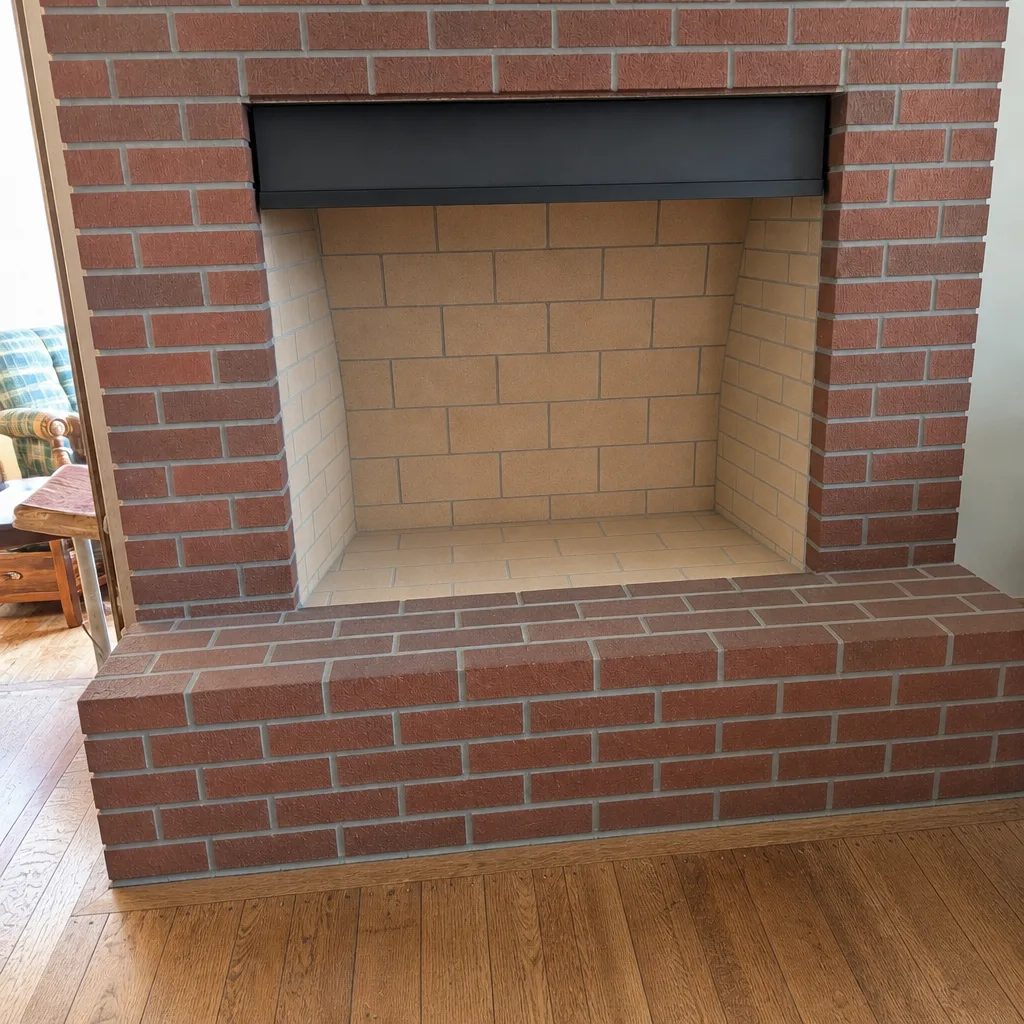
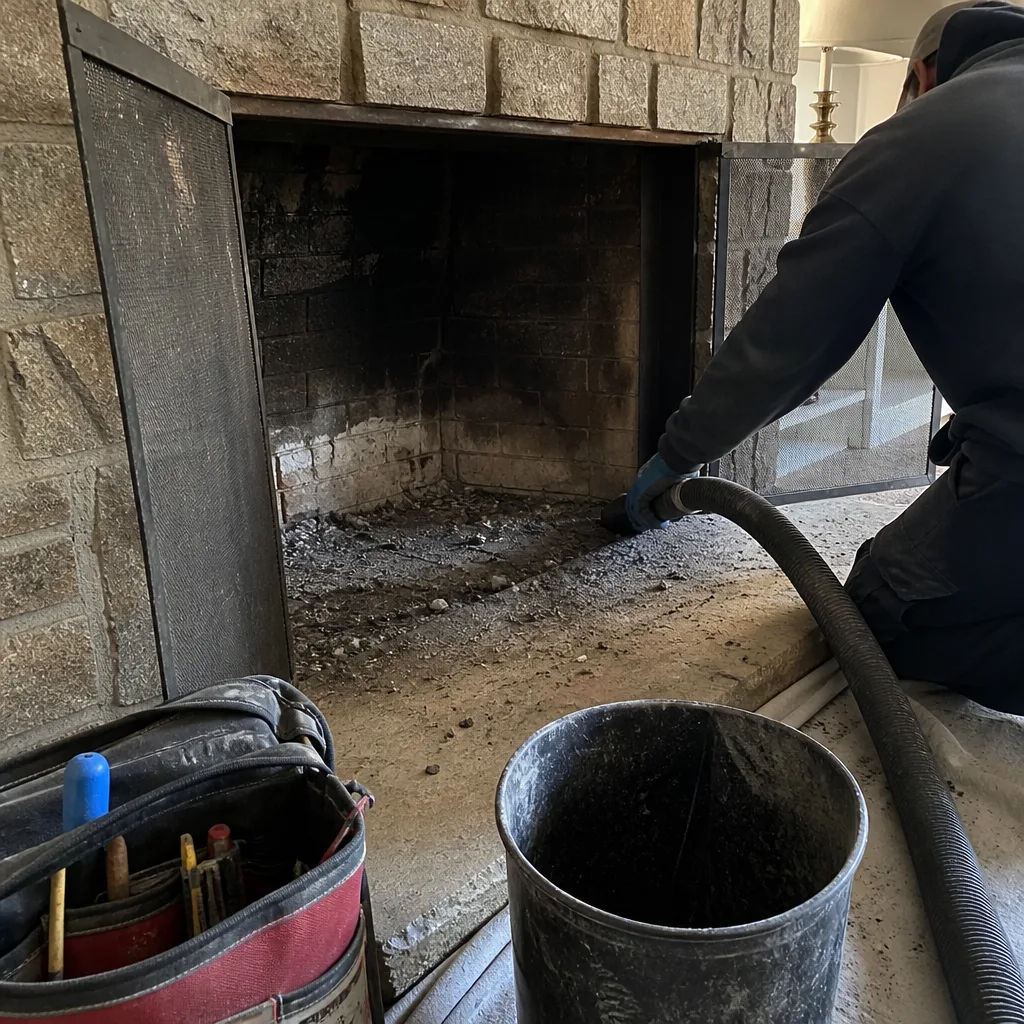
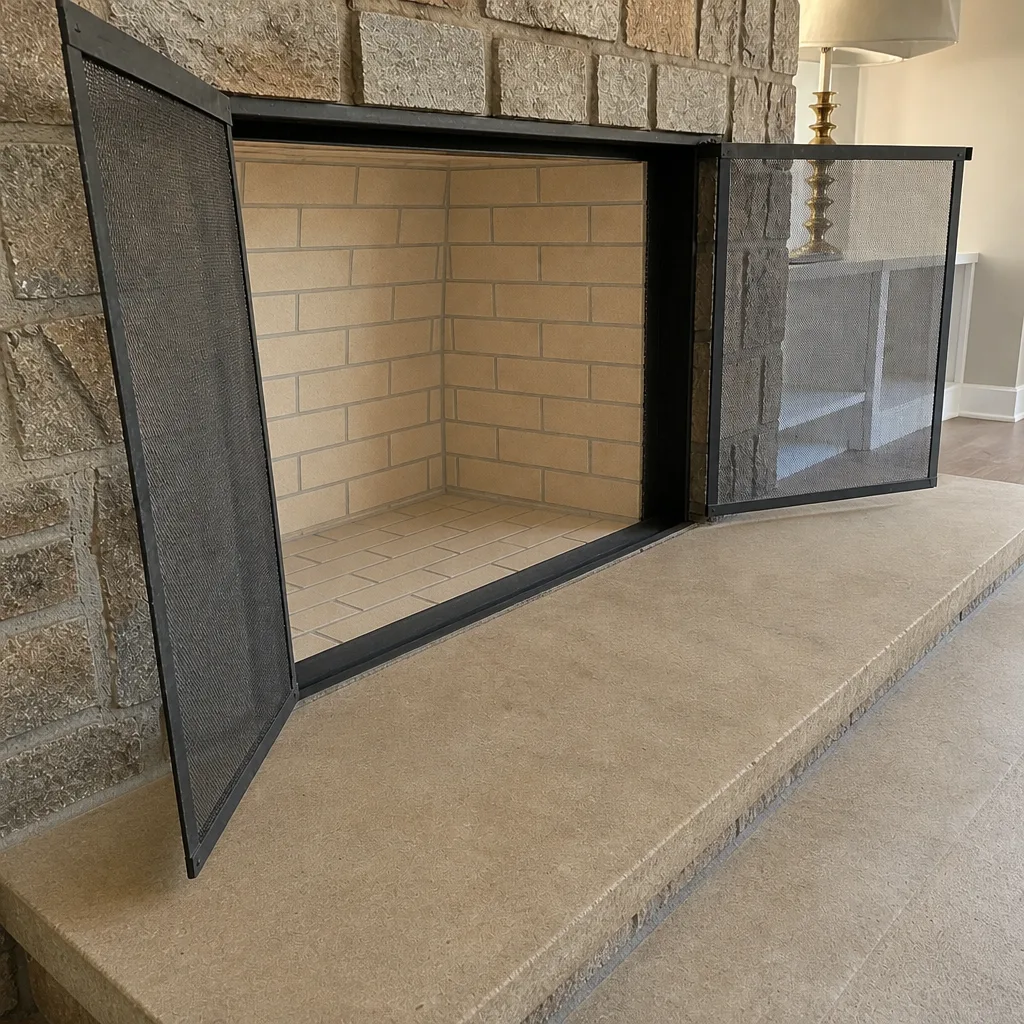
See the difference
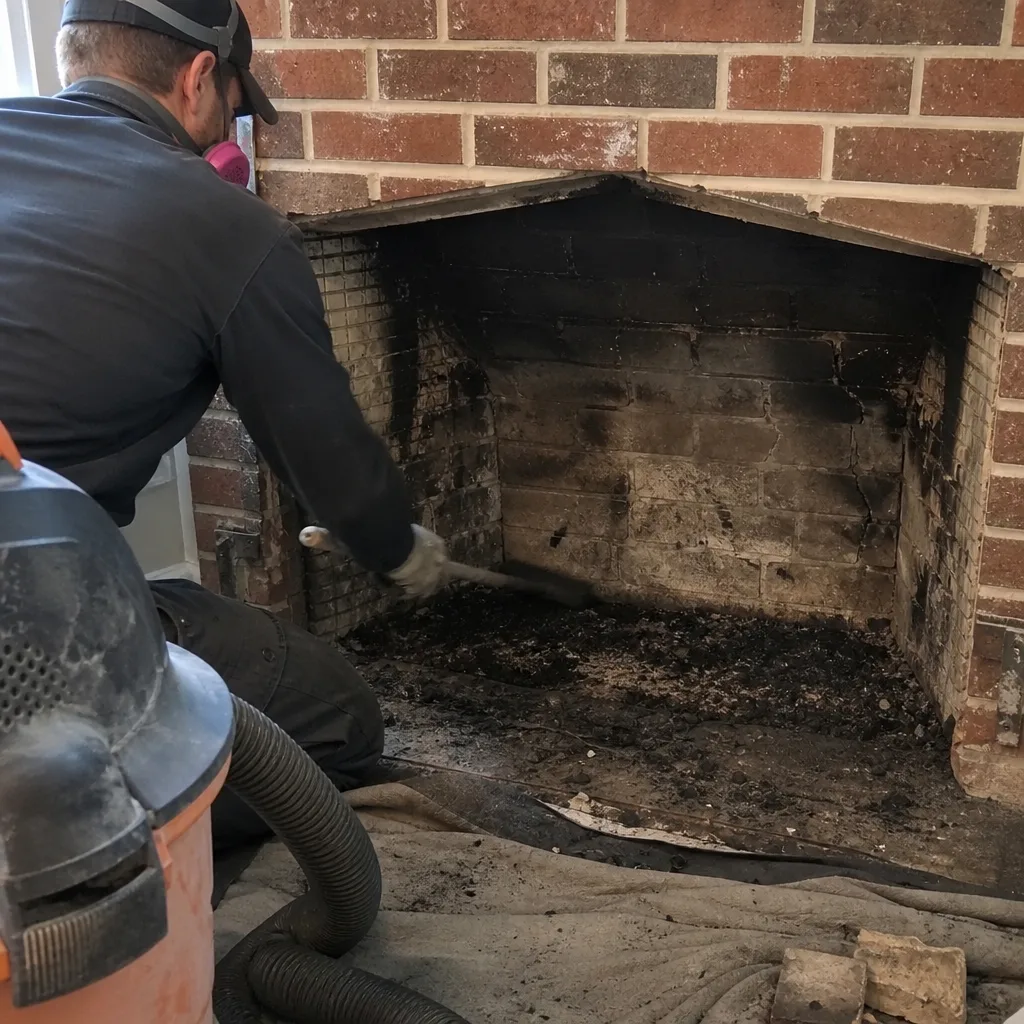 Before
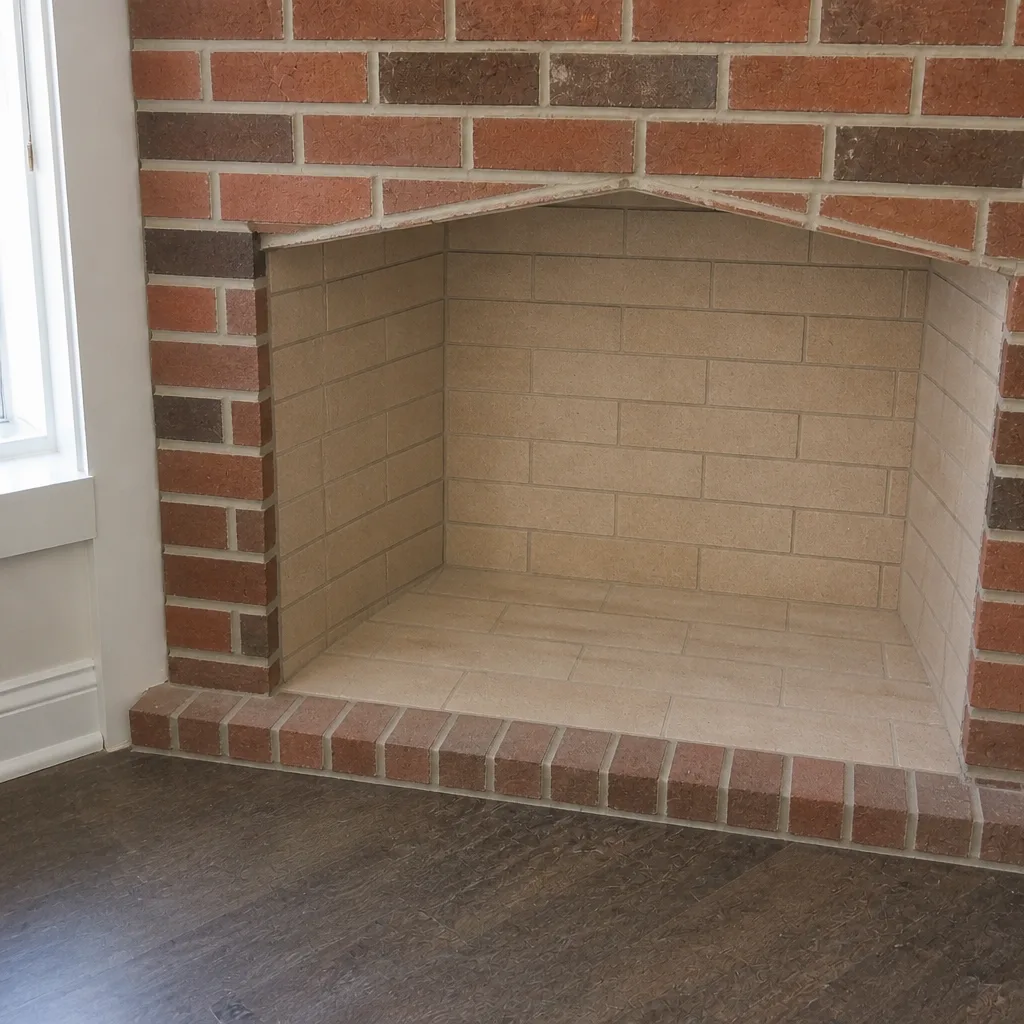 After
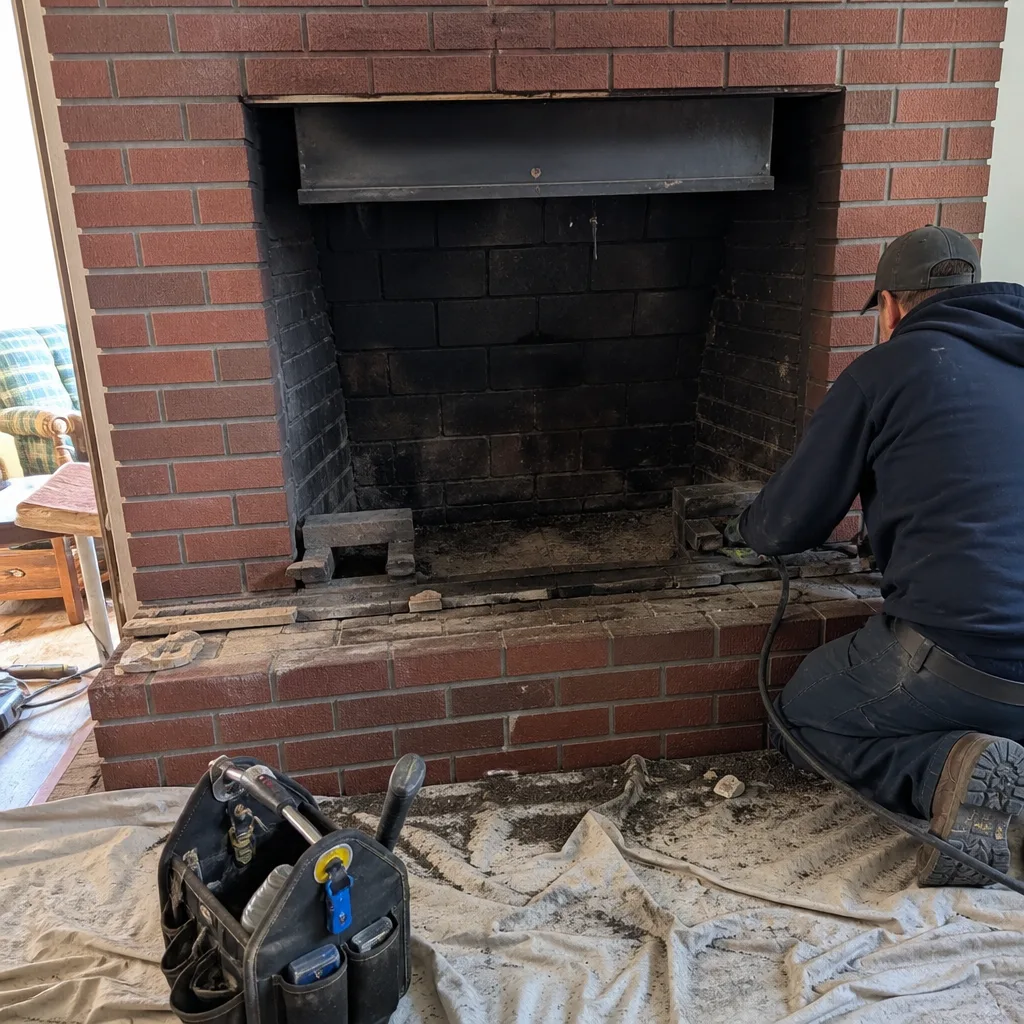 Before
 After
 Before
 After