
Last updated November 23, 2026
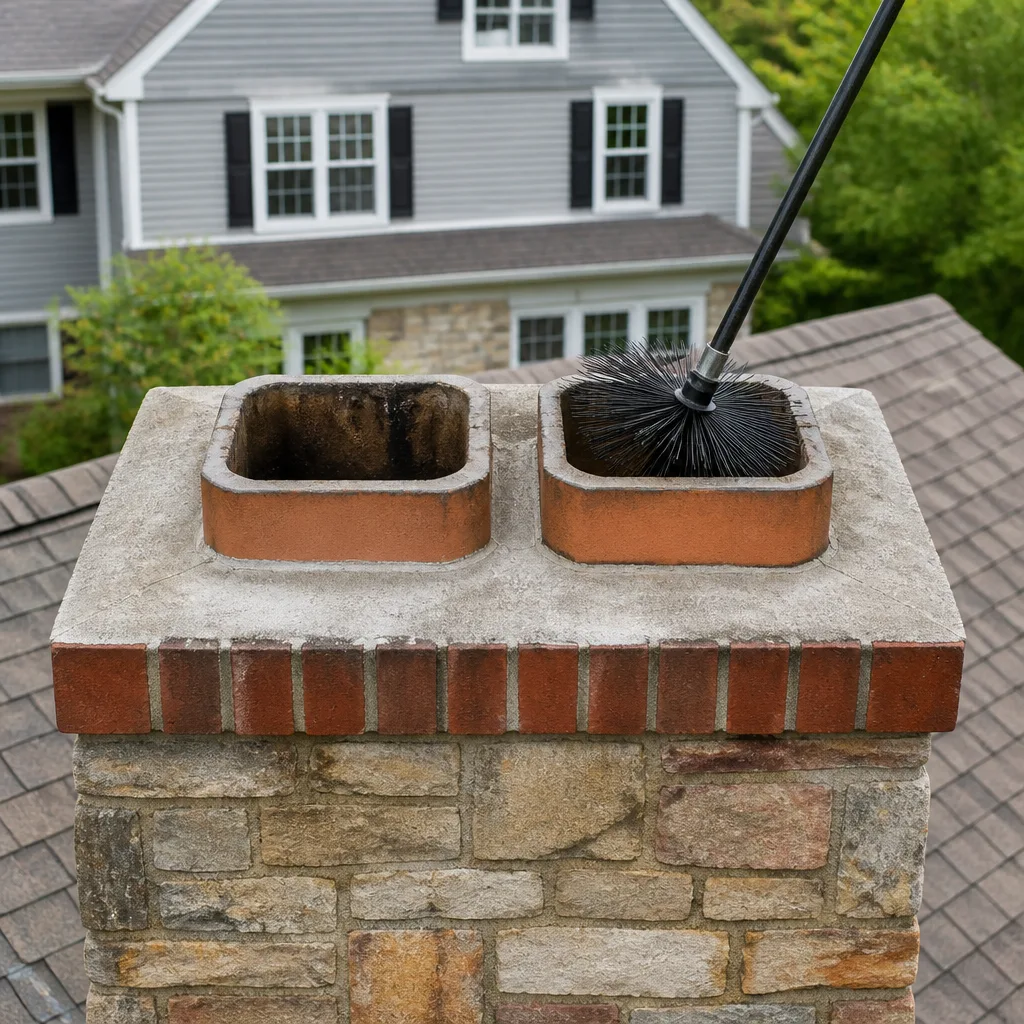 Sweep & inspection
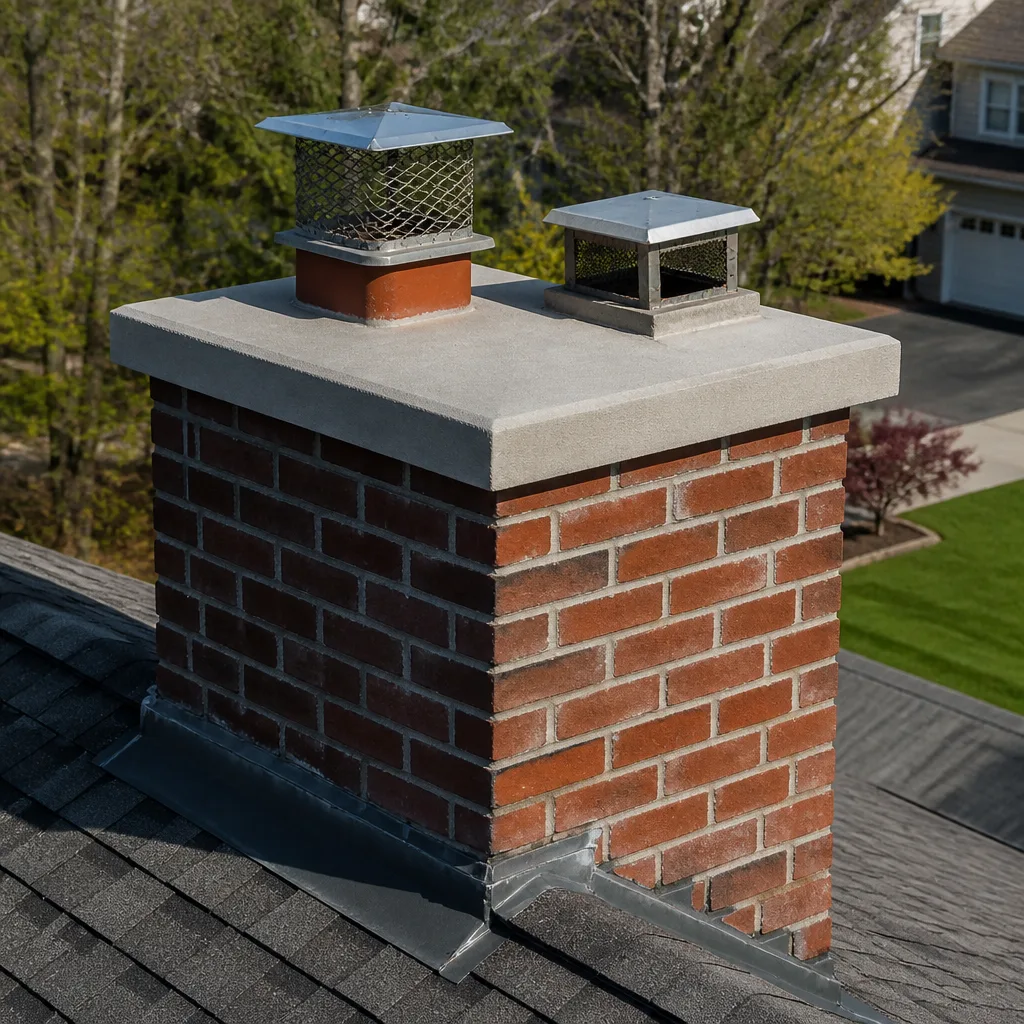 Caps & crowns
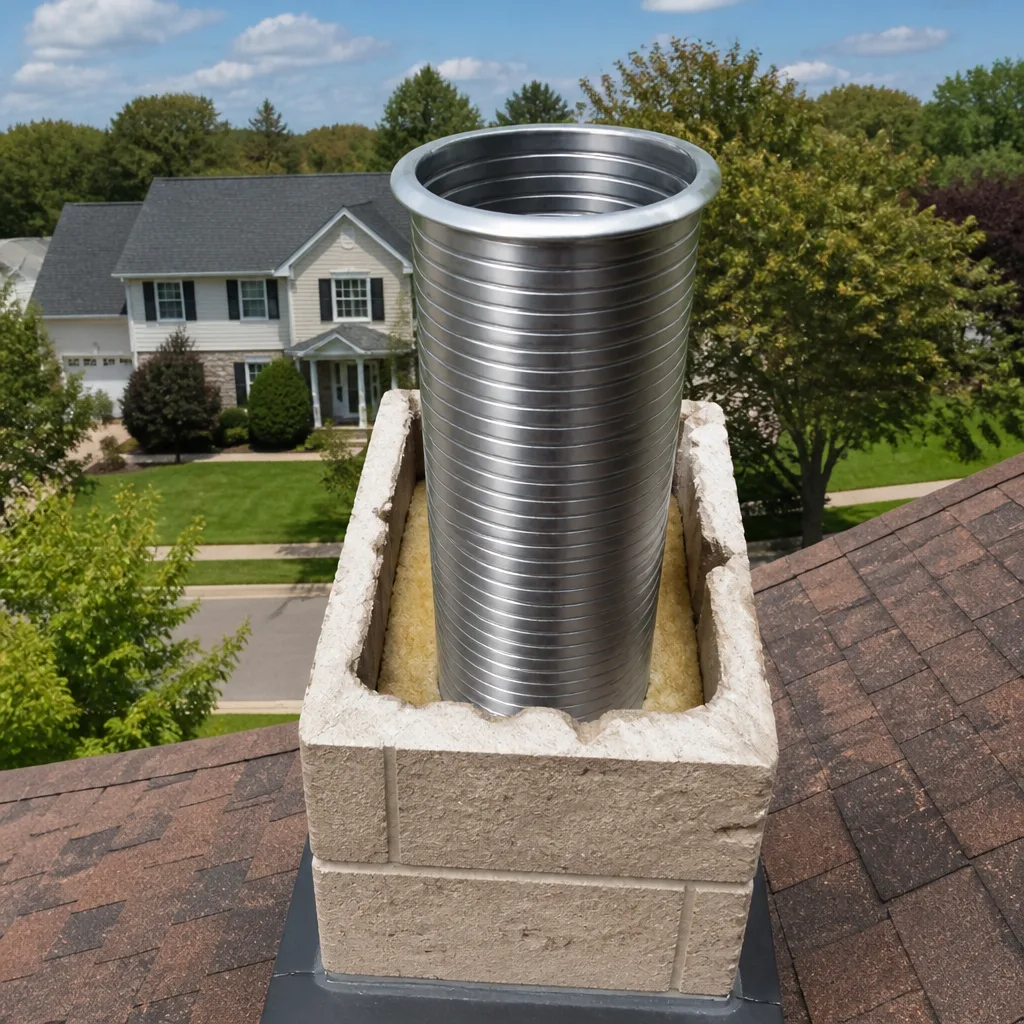 Flue relining
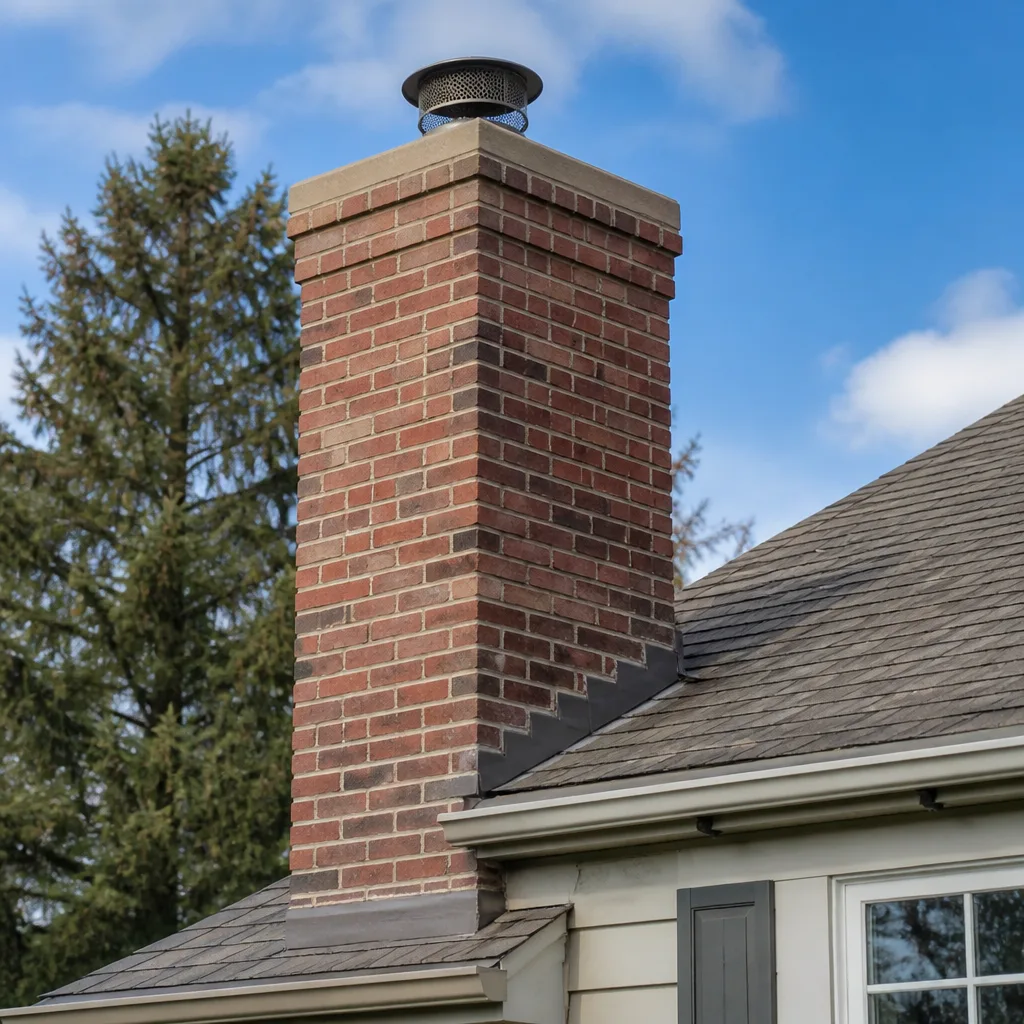 Masonry repair
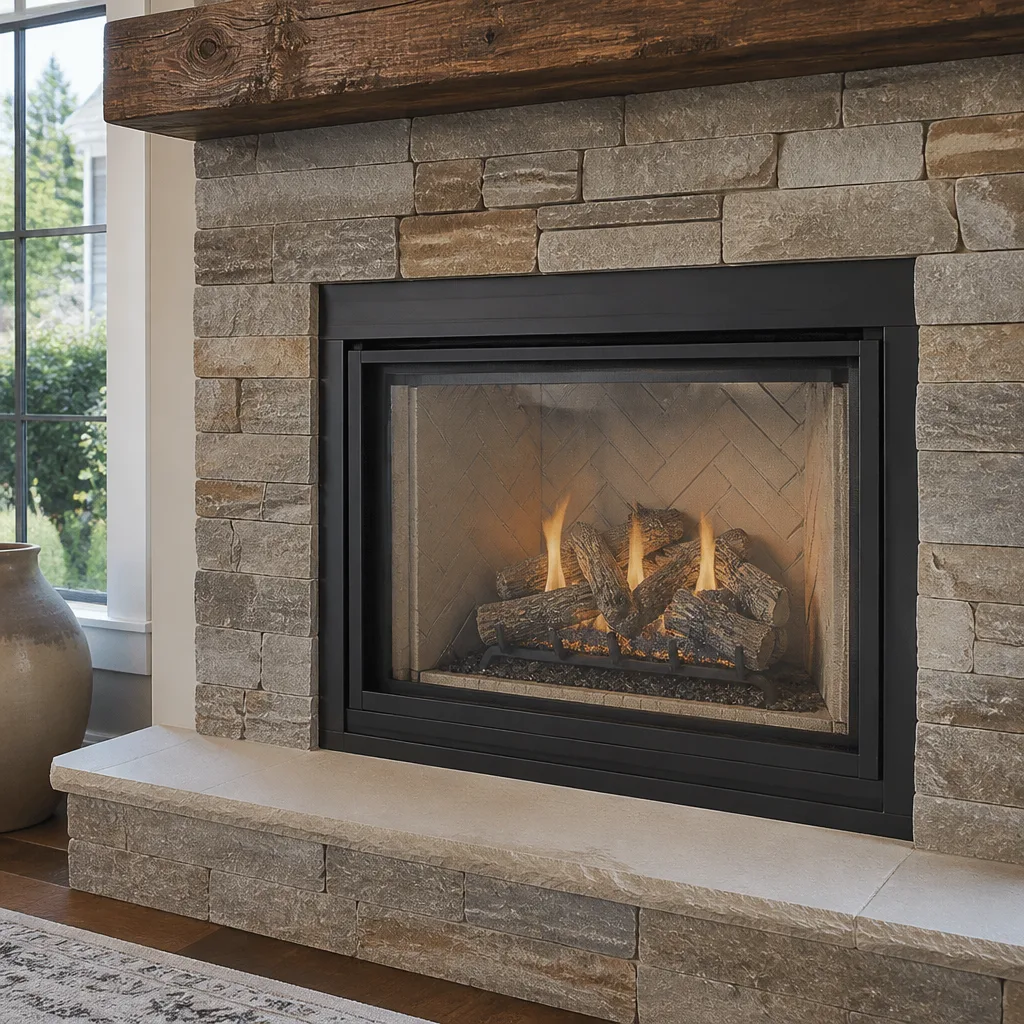 Gas fireplace service
Level 1 sweep and inspection to the NFPA 211 annual standard - flue, crown, cap, and flashing checked and photographed
Chimney sweep logs do not sweep chimneys. They loosen some creosote - which then falls where a brush and vacuum still have to collect it.
The Complete Guide to Chimney Cleaning in Crabtree
Most people think chimney cleaning is one action: someone shows up with a brush, scrubs the flue, and leaves. That assumption is the reason so many Crabtree chimneys get incomplete care. Sweeping, inspection, and assessment are three separate steps, and a proper visit performs all three. They happen on the same trip, but they’re done with different tools, different purposes, and different levels of scope. A Level 1 inspection won’t reveal a cracked flue tile hidden beneath a layer of creosote, and most homeowners have no idea there are three inspection levels with legally different scopes. In this guide, we’ll break down exactly what each step does, what it doesn’t cover, and how to know whether your chimney is genuinely maintained or just checked off a list.
Quick Answer
Chimney cleaning in Crabtree is a layered process of sweeping, inspection, and assessment performed together in a single visit. How often you need it depends on how much you burn, the condition of your flue, and how much creosote has accumulated, not simply on a calendar. The goal is a chimney you can light with confidence because someone has actually looked at what’s happening inside it.
Styles & brands we work with
- Sweep & inspection
- Caps & crowns
- Flue relining
- Masonry repair
- Gas fireplace service
Table of Contents
- Sweep, Inspection, and Assessment: What’s the Difference?
- The Three Inspection Levels and When Each Applies
- Why Crabtree Homes Need Their Own Cleaning Schedule
- Creosote Stages and Why They Change the Job
- What Professional Equipment Actually Removes
- What a Complete Cleaning Visit Should Include
- What a Sweep Doesn’t Cover
- Common Mistakes to Avoid
Sweep, Inspection, and Assessment: What’s the Difference?
These three terms get used interchangeably, and that’s where confusion starts. A sweep is a physical cleaning. An inspection is a structured evaluation. Assessment is the judgment call that ties the two together, the point where someone who knows chimneys looks at what the sweep and inspection revealed and tells you what it means. A complete visit in Crabtree handles all three.
Here’s how we separate them:
- Sweeping removes creosote, soot, and debris from the flue and firebox using brushes, rods, and vacuum equipment. It is a mechanical job.
- Inspection is a visual examination of accessible components, following standardized levels that define what gets looked at and how deeply.
- Assessment is the interpretation: whether the creosote is at a stage that needs attention now, whether a flue tile is deteriorating, whether a cap is doing its job.
A sweep alone tells you nothing about the condition of your flue. An inspection without a sweep can miss problems buried under deposits. That’s why the two are done together at Chimney Sweep Crabtree, and it’s why we offer chimney sweep service and inspection as distinct scopes under one roof. You get the cleaning and the answer to what the cleaning revealed, in the same appointment.
If your chimney hasn’t been looked at in several heating seasons, an inspection is the place to start, before any brush goes in. That single change in order makes a difference in what we find.
The Three Inspection Levels and When Each Applies
Chimney inspections fall into three recognized levels, and each one has a different scope. Homeowners rarely know this, which is why they sometimes expect a routine visit to catch problems that only a deeper inspection would find. Here’s how the levels break down.
- Level 1: A visual check of readily accessible portions of the chimney and connected appliance, done with basic tools. It’s the standard inspection for a chimney in continued use with no changes to the system. No camera, no parts opened up.
- Level 2: Everything in a Level 1, plus accessible portions of the attic, crawlspace, and other areas, often with a video camera to see inside the flue. This level is typically called for after a home purchase, a change in fuel type, an appliance replacement, or a chimney fire.
- Level 3: The most detailed inspection, involving removal of parts of the chimney or building when needed to reach areas that can’t otherwise be examined. This is reserved for cases where a serious hazard is suspected.
In Crabtree, a Level 2 inspection is the sensible baseline when someone has just bought a house with a chimney. You don’t know the burning history of the previous owners. A video scan of the flue interior can show what a visual check never will. If you’ve never seen the inside of your flue, a Level 2 inspection is where Chimney Sweep Crabtree usually starts. A routine seasonal visit is fine at Level 1, but a first-time inspection or one after any significant event should not be treated as a quick look.
Why Crabtree Homes Need Their Own Cleaning Schedule
National guidance on chimney cleaning frequency assumes an average house. Crabtree homes don’t always fit that average. This is hill country where winters run cold enough that wood heat matters, and much of the housing stock is older, with masonry chimneys that have been burning for a long time. Those two factors, cold winters and older masonry, change how often you actually need a sweep.
Three things shape the schedule here:
- Burning volume. A household that burns frequently through the cold months builds creosote faster than one that lights the occasional weekend fire. The more you burn, the more often the flue needs attention.
- Wood quality. Seasoned, dry wood produces less creosote than green or unseasoned wood. If what’s going into the firebox is wet, the deposits build faster.
- Chimney age and construction. Older masonry flues in Crabtree sometimes carry the wear of decades of use. A flue that was never relined or resurfaced can hold deposits differently than a modern system.
We tell Crabtree homeowners to think in terms of what they burn, not the calendar. If you burn a lot, an annual sweep is the floor, not the ceiling. If you burn lightly, you still want a professional look each season, because creosote can build in places you’d never notice from the hearth. Every chimney in Crabtree has a different load, and the schedule should reflect the actual load the chimney carries.
One more local factor: older chimneys often have no cap, or a cap that’s failing. Rain and debris get in, and that changes what the sweep has to remove. A proper chimney cap & crown check belongs in any Crabtree visit.
Creosote Stages and Why They Change the Job
Creosote is not one substance. It forms in stages, and each stage needs different tools and a different approach. Understanding the stages is the single most useful thing a homeowner can learn, because it explains why two chimneys that “both need cleaning” can take very different work.
- Stage 1: Soot and flaky, light deposits. Brushable with standard tools. This is the most common condition on a chimney that’s been maintained on a reasonable schedule.
- Stage 2: Harder, crusty, or glazed deposits that cling to the flue wall. These need more than a light brush pass; they need rotary tools or chemical treatment to break down.
- Stage 3: A dense, hardened glaze, often the result of repeated burns of wet or green wood or restricted oxygen. Stage 3 is where standard brushing stops being enough, and where the deposit itself becomes a serious hazard if it’s ignited.
In our experience, Crabtree chimneys that have gone multiple seasons without attention tend to hold more Stage 2 and Stage 3 deposits than the homeowner expected. A basic brush job will leave that glazed layer on the wall. This is the core reason professional equipment and a specialist eye matter: a genuine sweep that leaves Stage 3 creosote behind isn’t a complete sweep. The safest path is a visit where someone identifies the stage present and matches the tool to it, rather than assuming a brush is all any chimney needs. This is exactly where sweeping and assessment have to happen together.
What Professional Equipment Actually Removes
A brush on a pole is a start, not the whole job. Professional chimney cleaning uses equipment designed to remove what a basic brush leaves behind, and the difference shows up most clearly on harder deposits and in the dust that a brush alone sends into the room.
- Rotary cleaning systems turn a spinning cable and head inside the flue to break up crusted and glazed deposits that a straight brush pass won’t touch. They reach the corners and irregularities of the flue wall.
- HEPA vacuum systems capture fine soot and dust at the source, so the cleaning doesn’t leave a layer of film on your furniture and windowsills. A basic shop vac does not seal dust the way a HEPA system does.
- Video inspection cameras let the technician see what no brush or eye from the hearth can: the inside of the flue, the tile joints, the smoke shelf, the transitions.
In Crabtree, where many homes burn through a full heating season and hold onto older masonry, the rotary and HEPA combination is what separates a real cleaning from a surface pass. Manufacturer-grade materials matter too. For liner work, we source systems from makers like DuraFlex, and for firebox and flue restoration we use the HeatShield ceramic resurfacing system, which addresses the firebox and flue surfaces that general repair tools can’t. The equipment is the tool; the judgment about which tool to use is where the specialist comes in. That combination is what a full cleaning visit provides.
What a Complete Cleaning Visit Should Include
A complete cleaning visit has a predictable shape. If you’re booking a chimney cleaning in Crabtree, you should be able to describe what will happen before anyone arrives. Here’s what a full visit looks like from start to finish.
- Protection first. Drop cloths and floor coverings go down before any tool comes out. The work area is sealed so soot and fine dust stay contained.
- Setup of the HEPA vacuum. Negative pressure captures debris at the source throughout the cleaning.
- A visual inspection before sweeping. The technician checks what’s accessible, notes the condition of the firebox, damper, smoke chamber, cap, and crown.
- The sweep itself. Brushes and rotary tools clear soot and creosote from the flue and firebox. The creosote stage determines the tool and the number of passes.
- A post-cleaning inspection. The technician checks the flue, joints, and components again now that deposits are gone. Problems previously hidden are visible at this point.
- A video scan if the level of inspection calls for it. For a Level 2 inspection, a camera reviews the flue interior.
- Findings and recommendations in plain language. You hear what the visit found, what can safely wait, and what needs attention.
- Cleanup and a final walkthrough. The work area is cleared and the equipment removed.
If your visit is missing any of these steps, you’re not getting a complete cleaning. A sweep without a pre- and post-inspection is a mechanical job with no answer attached. The whole point is to know what you’re burning before you light the first fire of the season.
What a Sweep Doesn’t Cover
Cleaning and inspection come with boundaries, and knowing them keeps you from expecting a sweep to solve a problem it can’t. A sweep cleans. It does not repair. If the inspection finds a cracked flue tile, a failed damper, or a crown that’s cracked and letting water in, those are separate scopes, and they matter as much as the cleaning.
What a sweep doesn’t cover:
- Structural repair. Damaged masonry, a failing crown, and cracked flue tiles require repair work, not cleaning.
- Liner replacement. A compromised flue liner that can’t be restored needs relining, which is its own scope and often done with a system like DuraFlex.
- Fireplace repair. A cracked firebox, a failing damper, or refractory damage is fireplace repair, distinct from cleaning.
- Cap and crown replacement. A missing or broken cap and a cracked crown are structural components that keep water and animals out. A sweep doesn’t fix them.
This is why we’ve built our work around the full chimney: sweeping, inspection, cap and crown, fireplace repair, and chimney repair. When the inspection uncovers something outside the cleaning scope, you don’t get handed off to a general contractor who may never have worked on a chimney before. The specialist who cleans also knows what repair looks like and can tell you what’s needed. For firebox and flue surface restoration, the HeatShield ceramic system can address worn surfaces without full relining, which is the kind of repair-specific judgment that comes with doing this work every day.
Common Mistakes to Avoid
- Skipping the inspection to save money. A cheap sweep with no inspection is a cleaning with no findings, and the findings are what keep your chimney safe. The cleaning is the easy part; the answer is the point.
- Assuming a Level 1 inspection catches everything. A cracked flue tile behind a creosote layer is invisible at Level 1. After a home purchase or a chimney fire, a Level 2 inspection is the right scope, not the quickest one.
- Treating “the sweep came” as “the chimney is fine.” Cleaning and condition are two different facts. A swept chimney can still have a failing liner or a cracked crown.
- Leaving Stage 2 and Stage 3 creosote unaddressed. A brush pass over glazed creosote leaves the glazed layer behind. If the stage is hard and shiny, the tool needs to match it, or the job isn’t done.
- Burning wet or green wood. In a cold Crabtree winter, the temptation to burn whatever’s on hand is real. Unseasoned wood is a direct contributor to faster creosote buildup.
- Ignoring the cap and crown until water shows up inside. A missing cap or a cracked crown lets rain and animals in. By the time you notice a stain, the moisture has been at the structure for a while.
- Letting a chimney go seasons without a look. A chimney that hasn’t been inspected in years may have a problem developing quietly. It’s easier to address when it’s small.
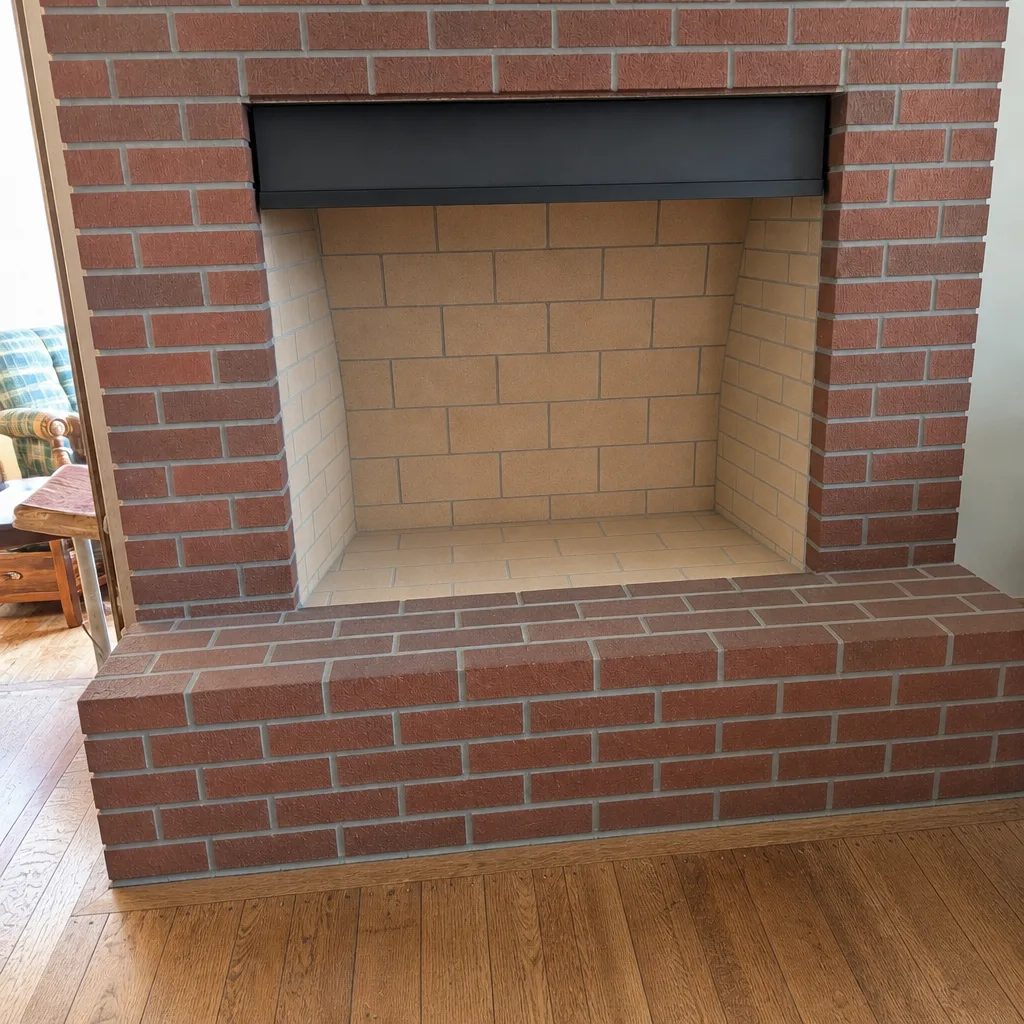
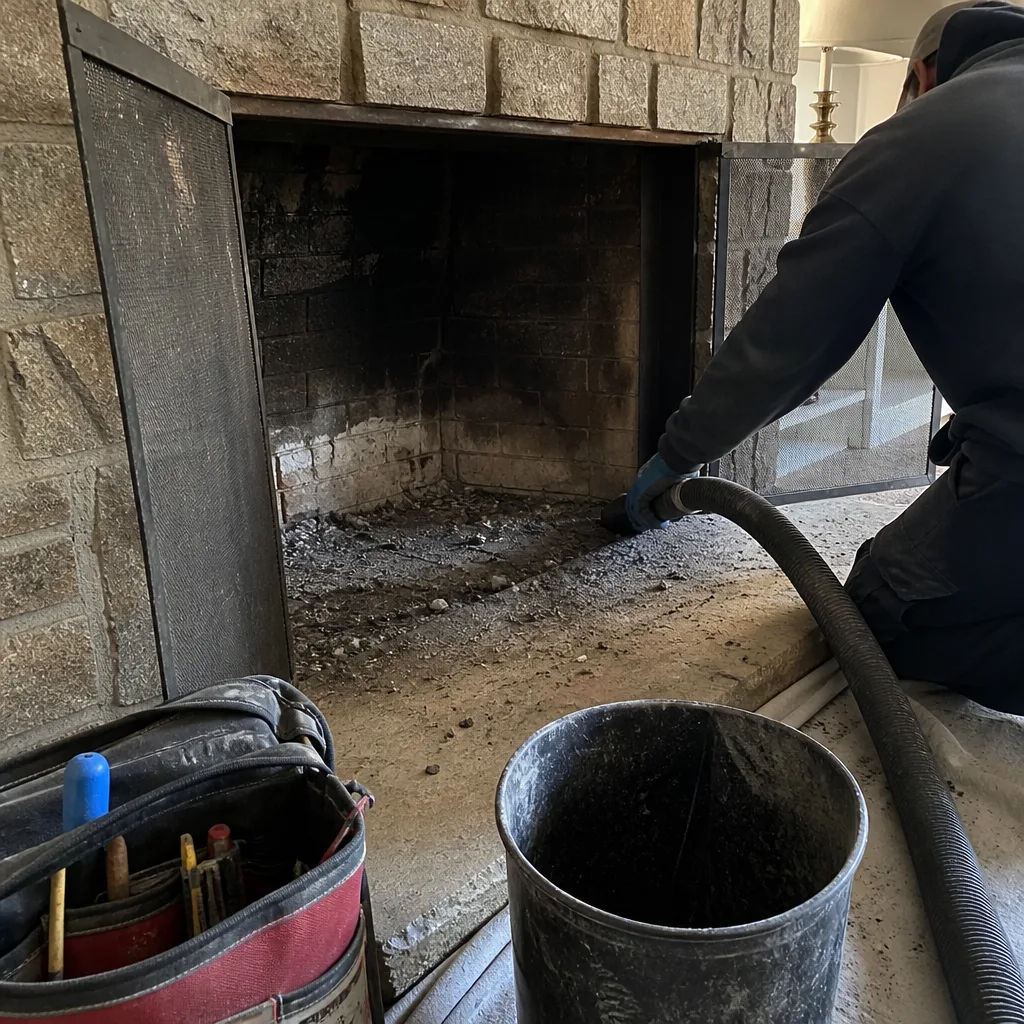
See the difference
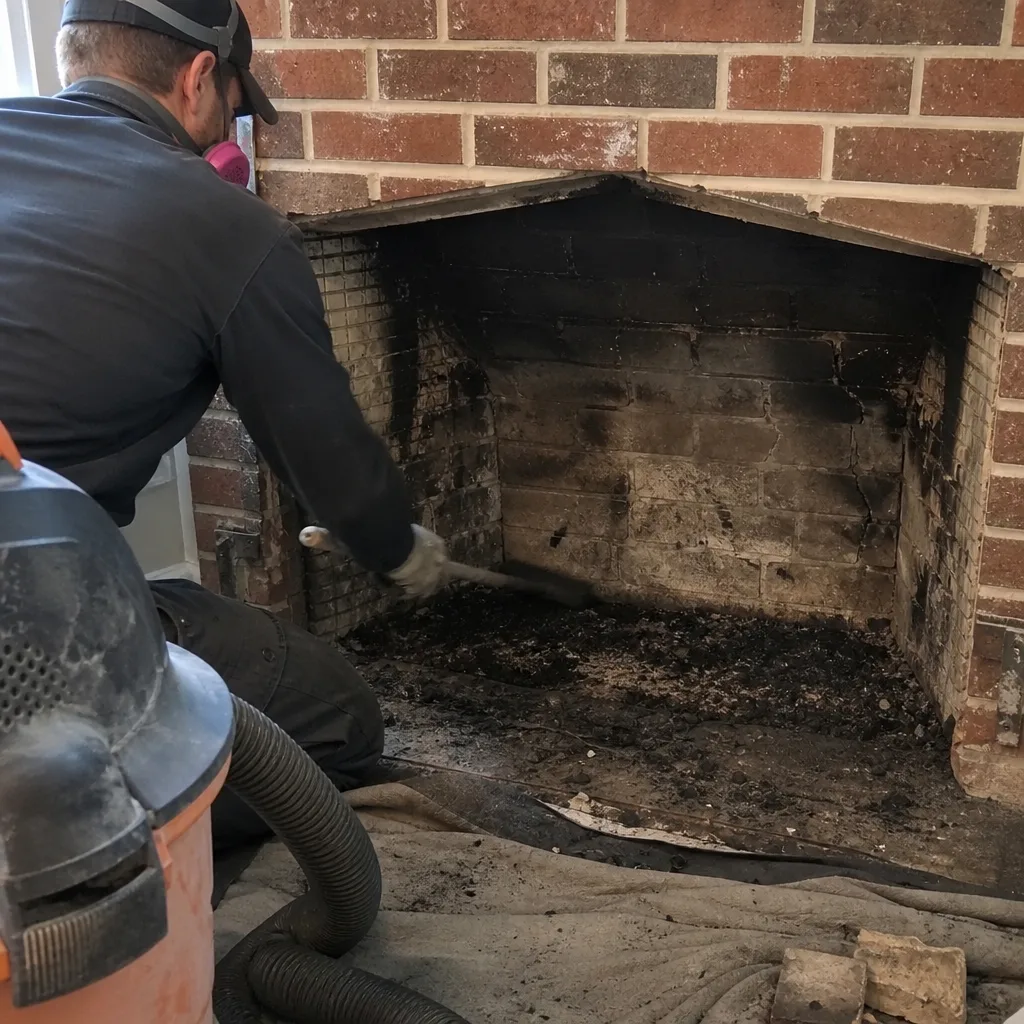 Before
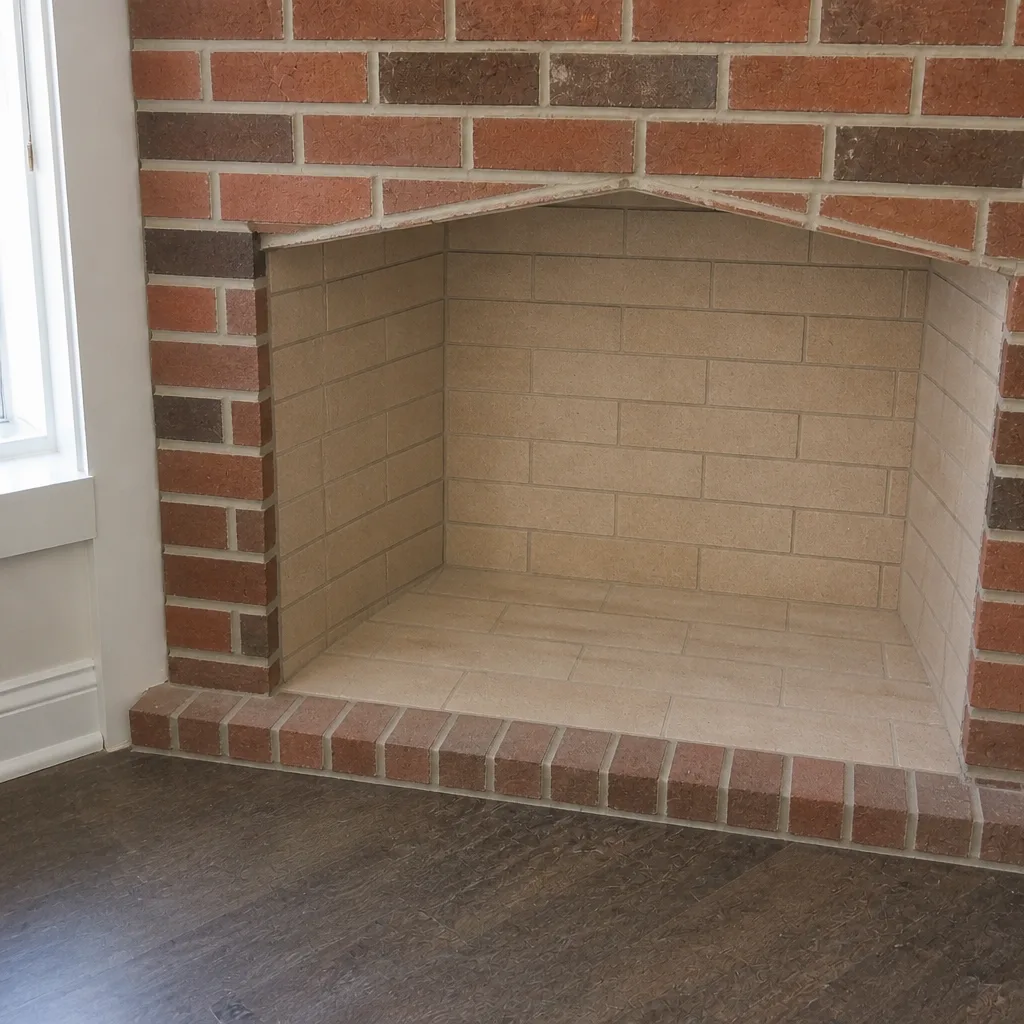 After
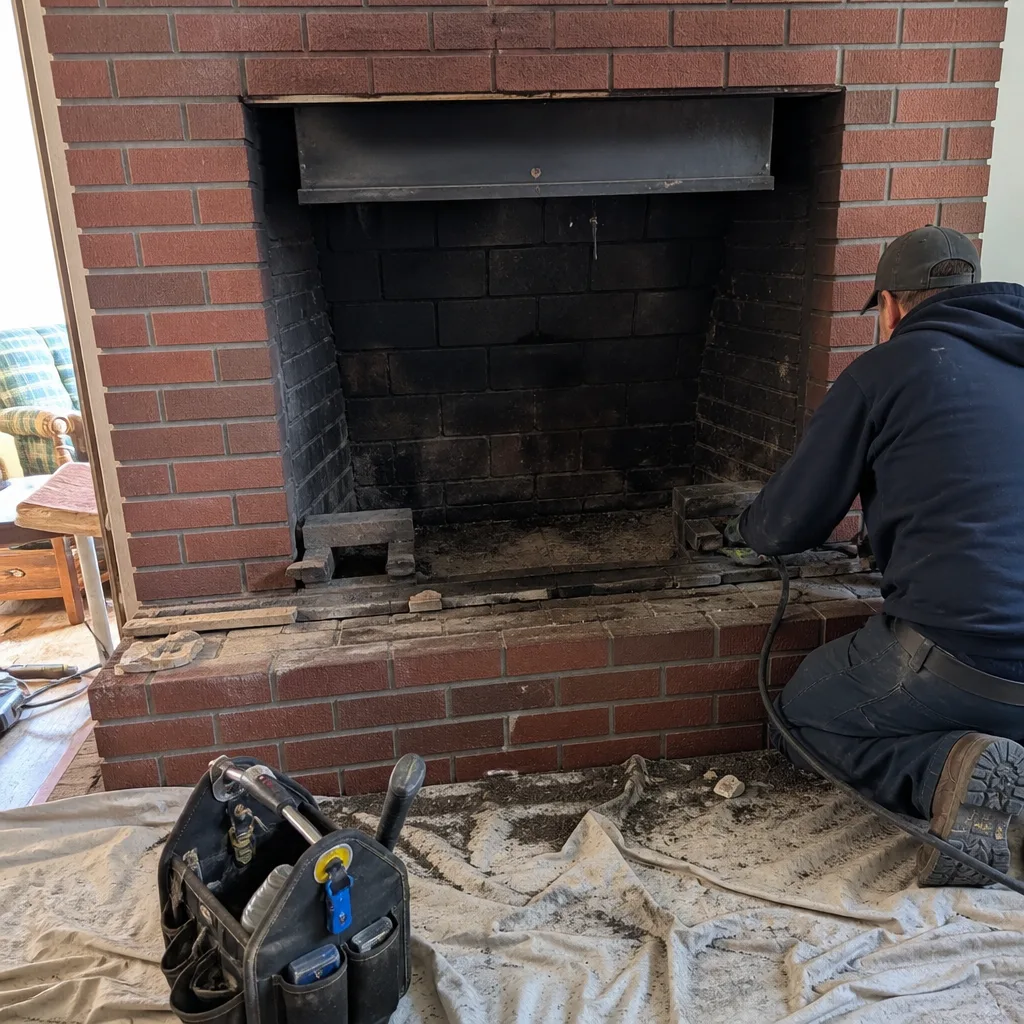 Before
 After
 Before
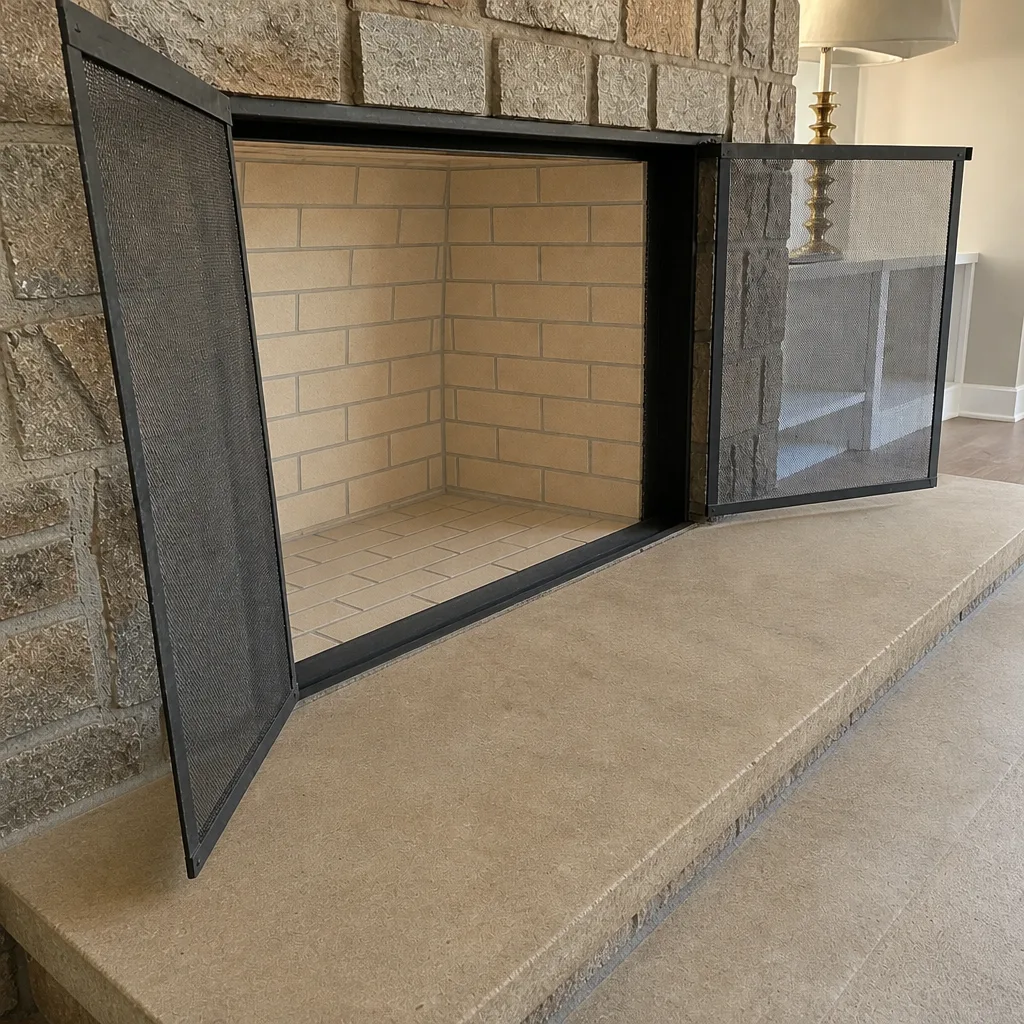 After
When to Call a Professional
Some chimney work is routine, and some needs a specialist’s eyes. Call a professional when you’ve just bought a home with a chimney and don’t know its history, when a heating season is about to begin and the chimney hasn’t been looked at, or when you notice signs that something isn’t right: a strong creosote smell, water stains near the firebox, visible cracks in the firebox or flue, a damper that won’t move freely, or masonry that’s crumbling. If you’ve had a chimney fire, even a small one, that’s a call, not a wait-and-see. And if you’ve been burning heavily with no inspection in several seasons, book the visit before the season starts. Chimney Sweep Crabtree offers free estimates in Crabtree. Call (877) 820-9485. We answer 24/7. Fast dispatch from 7am to 7pm, Sunday through Friday.
Frequently Asked Questions
Annually is the standard floor for a chimney in regular use, and more often if you burn heavily. Crabtree winters run cold enough that many households burn through a full season, and older masonry chimneys can accumulate deposits faster than newer ones. The right schedule depends on how much you burn and how your flue looks at each visit, not just the calendar. Call (877) 820-9485 for an exact quote – estimates are free.
A sweep is the physical cleaning that removes creosote and soot; an inspection is the structured evaluation of the chimney’s condition. They’re different steps with different scopes, which is why a proper visit does both. A sweep tells you the flue is clean; an inspection tells you what the cleaning revealed. Call (877) 820-9485 for an exact quote – estimates are free.
Level 1 is for routine use of an unchanged system; Level 2 is called for after a home purchase, a change in fuel or appliance, or a chimney fire. If you’ve just bought a house in Crabtree and don’t know its burning history, Level 2 is the sensible scope. If you’re seeing the inside of your flue for the first time, it’s worth the deeper look. Call (877) 820-9485 for an exact quote – estimates are free.
No, not if the deposit has reached Stage 2 or Stage 3. Standard brushing handles light, flaky Stage 1 deposits. Hardened and glazed creosote needs rotary tools or chemical treatment to break down. That’s why the creosote stage matters and why professional equipment isn’t interchangeable with a basic brush. Call (877) 820-9485 for an exact quote – estimates are free.
We handle the full chimney. That includes sweeping, inspection, cap and crown work, fireplace repair, and chimney repair, so you don’t get handed off when the inspection finds something beyond cleaning. For firebox and flue surface restoration, we use the HeatShield ceramic system, and for relining we work with systems like DuraFlex. Call (877) 820-9485 for an exact quote – estimates are free.
Creosote builds to harder, glazed stages that are harder to remove and more of a hazard if they ignite. Flue tiles and crowns can deteriorate without anyone noticing. Skip it long enough and a routine cleaning becomes a repair job. The safest approach is a professional look before the heating season, not after a problem shows up. Call (877) 820-9485 for an exact quote – estimates are free.
The Bottom Line
Chimney cleaning in Crabtree is three steps done in one visit: sweeping, inspection, and assessment. Each step answers a different question, and a visit that skips any of them leaves you without a complete answer. The creosote stage determines the tools. The inspection level determines how deep the look goes. The condition of the cap, crown, and firebox determines whether cleaning is all you need. Chimney Sweep Crabtree covers the full chimney, from sweep to structural repair, with manufacturer-grade materials and the judgment that comes from doing this work every day. Call (877) 820-9485 for a free estimate. We answer 24/7. Fast dispatch from 7am to 7pm, Sunday through Friday.
Written by the team at Chimney Sweep Crabtree.