
Last updated November 23, 2026
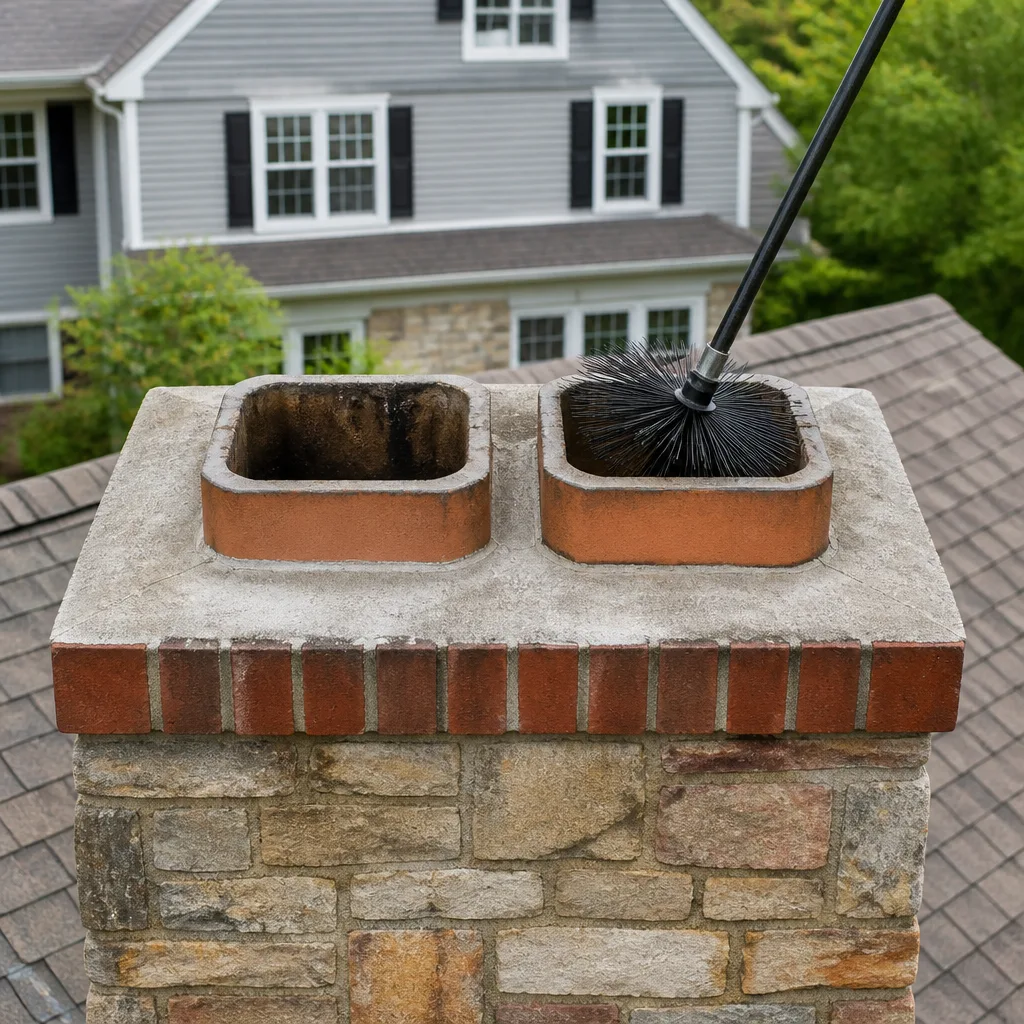 Sweep & inspection
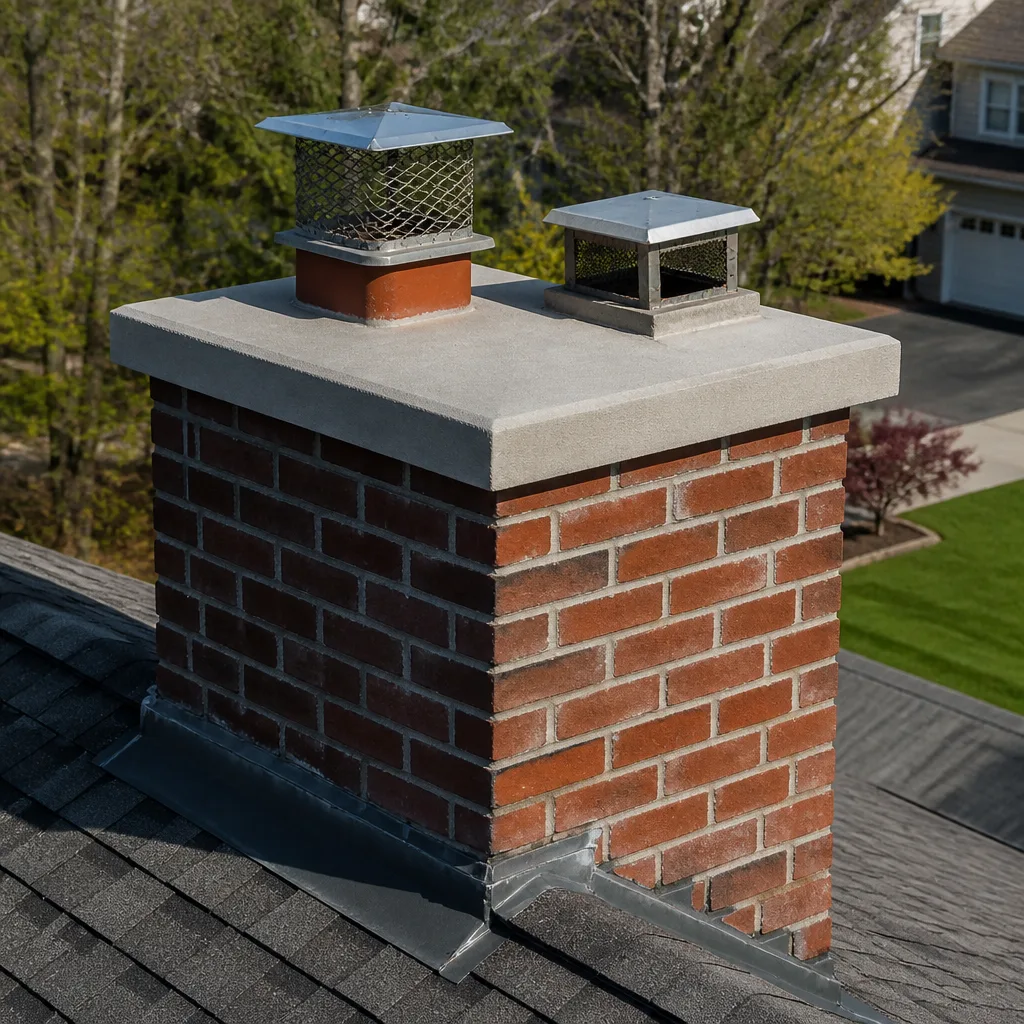 Caps & crowns
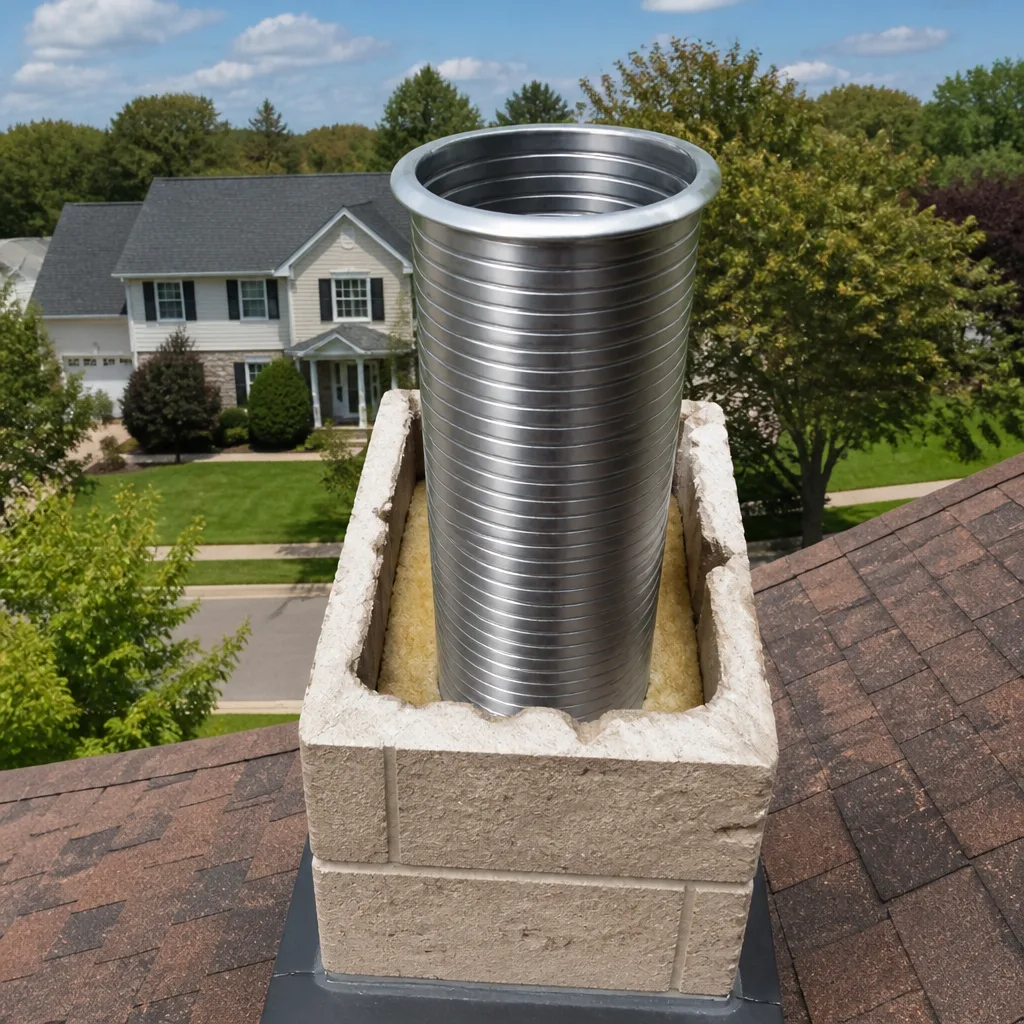 Flue relining
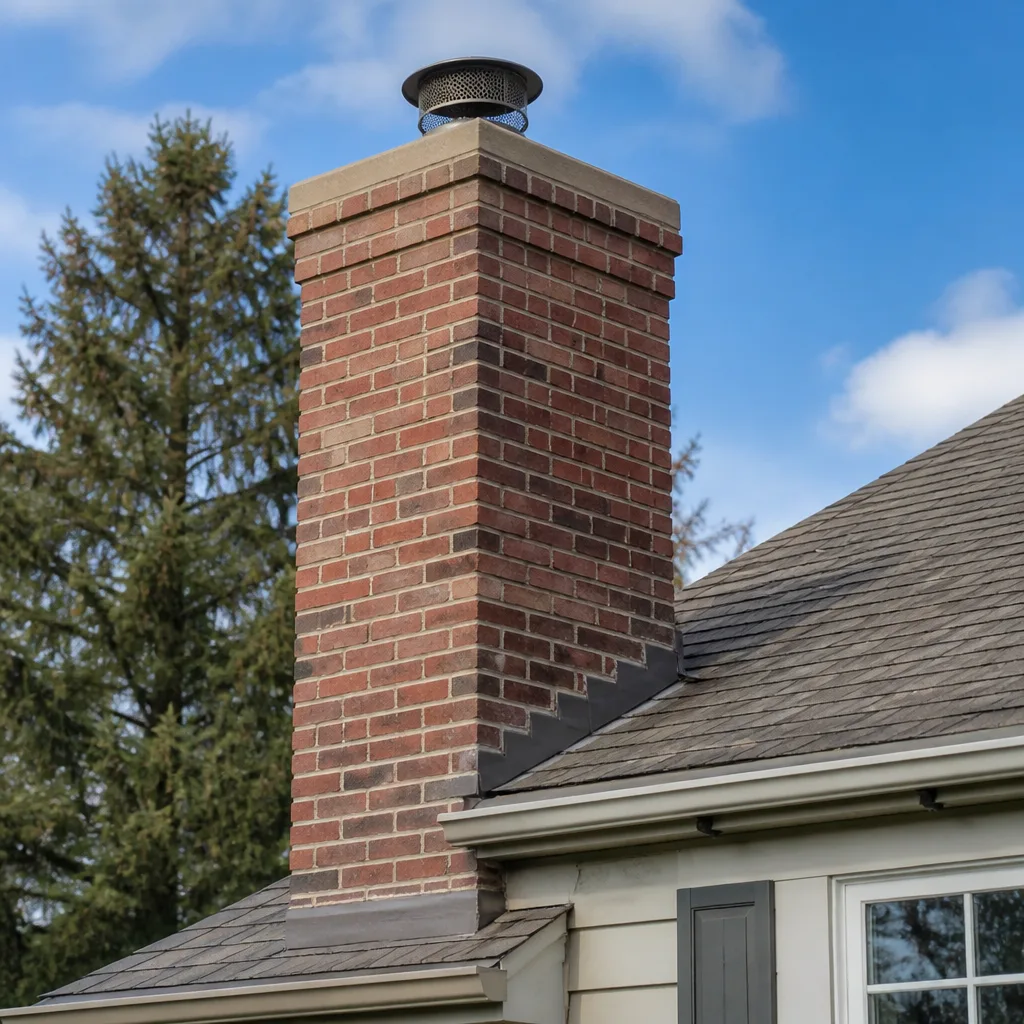 Masonry repair
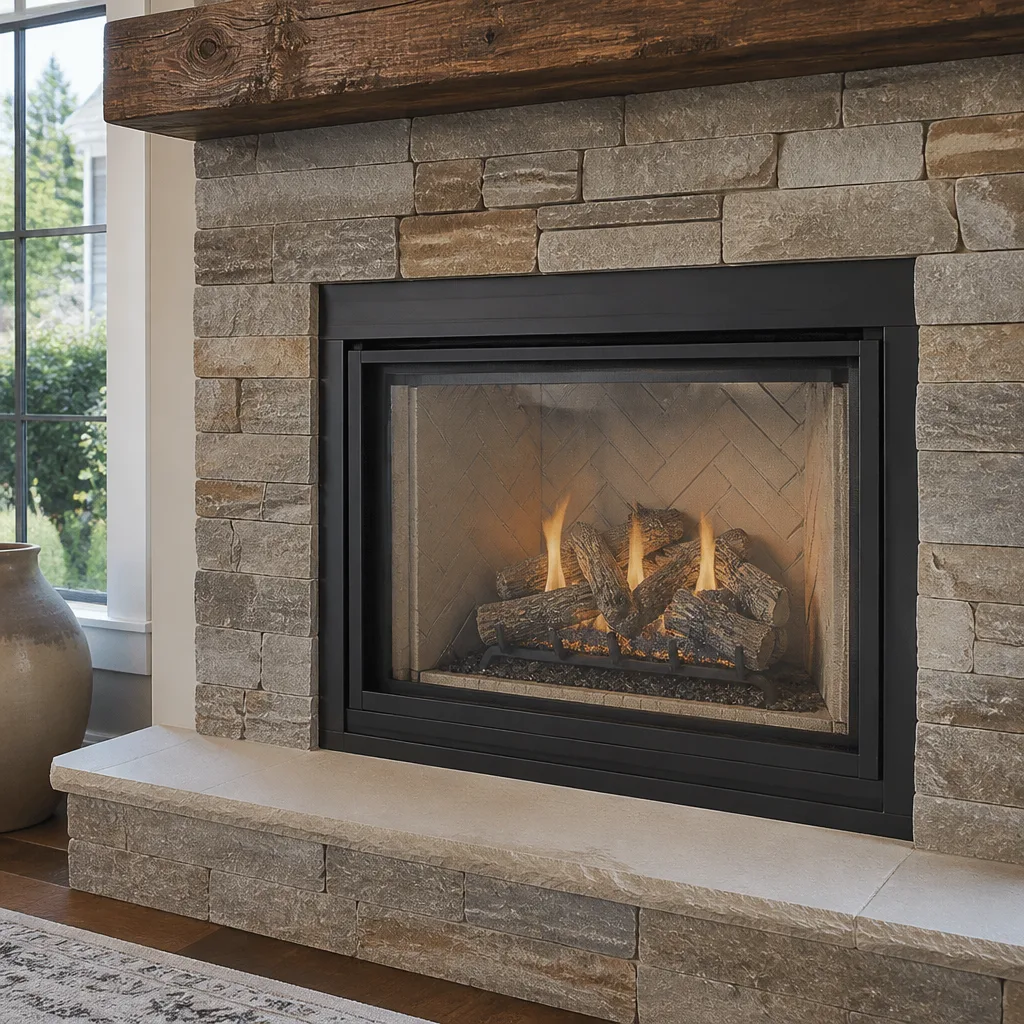 Gas fireplace service
Level 1 sweep and inspection to the NFPA 211 annual standard - flue, crown, cap, and flashing checked and photographed
Chimney sweep logs do not sweep chimneys. They loosen some creosote - which then falls where a brush and vacuum still have to collect it.
Chimney Cleaning Warning Signs: A Crabtree Homeowner’s Reference Guide
A white stain running down the outside of your chimney looks like a cosmetic issue. It’s called efflorescence, and it means water is moving through your masonry right now, carrying dissolved salts outward as it goes. That’s not a stain to scrub off in spring. It’s structural damage in progress, and it’s one of the most commonly misread signals a chimney gives. Chimneys rarely fail without warning. They give you clues for months, sometimes years, and most of those clues get filed under “normal” because nobody ever told the homeowner what they were looking at. In this guide, we walk through the exterior signs, the interior signs, the sounds, the smells, and the aftermath of the small fires that go unnoticed, then close with a clear severity triage so you know what’s same-week and what can wait for fall. Mention Crabtree once more before we start: this guide is written for the homes we see here, and it’s the reference we wish more local homeowners had before calling us.
Quick Answer
The warning signs that should trigger a chimney cleaning or inspection call in Crabtree are: white staining or flaking brick on the exterior, rust streaks on the cap or flashing, smoke rolling back into the room when you light a fire, musty or sharp odors that change with the season, a damper that grinds or won’t hold position, and dark oily residue or glaze on the flue walls. Efflorescence and spalling brick point to active water intrusion, which is a structural issue, not just a cleaning issue. Odors and smoke rollout usually point to blockage, a failing damper, or a draft problem that a sweep and inspection will diagnose accurately.
Styles & brands we work with
- Sweep & inspection
- Caps & crowns
- Flue relining
- Masonry repair
- Gas fireplace service
Table of Contents
- Exterior Warning Signs: What Your Chimney’s Outside Is Telling You
- Interior Warning Signs: Smoke, Draft, and Seasonal Odors
- Damper Clues: Sounds and Behavior That Signal Failure
- Small Chimney Fires That Go Undetected
- Severity Triage: What’s Same-Week and What Can Wait
- How a Chimney Inspection Actually Works
- Seasonal Watch: What Changes in Crabtree as the Year Turns
- Common Mistakes to Avoid
Exterior Warning Signs: What Your Chimney’s Outside Is Telling You
The outside of your chimney takes more weather than any other part of the house, and it fails in a predictable order. Water gets in first, salts come out second, and the brick face goes third. If you can read those stages, you can catch a problem before it reaches the flue.
Here’s what each exterior sign actually means:
- White, powdery staining (efflorescence). Water is traveling through the masonry, dissolving salts inside the brick and mortar, and depositing them on the surface as it evaporates. Efflorescence itself is harmless to touch, but it’s evidence that moisture is moving through the chimney body, which means the mortar joints or crown are already letting water in.
- Spalling brick. The face of the brick is flaking, peeling, or popping off in sheets. This is what happens after efflorescence has been happening for a while: the salt crystallization and freeze-thaw cycles break down the brick face. Once brick spalls, that brick has to be replaced, not sealed.
- Open or receding mortar joints. Run a screwdriver lightly along a joint. If mortar crumbles or the joint is recessed more than a quarter inch, the joints need repointing. Receded joints let water straight into the chimney’s core, and they also weaken the structure against wind.
- Rust staining. Orange-brown streaks on the cap, the flashing, or the masonry just below them usually mean a galvanized component is corroding. That corrosion is often caused by moisture trapped under the cap, and it’s a signal that the chimney cap & crown needs to be looked at directly.
- A cracked or crumbling crown. The crown is the concrete cap on top of the chimney. Hairline cracks in a crown are common, but once a crack widens or the crown pulls away from the flue, water runs directly into the chimney structure on every rain.
In our experience around Crabtree, most of the exterior failure we see starts at the crown and at the flashing where the chimney meets the roof. Both are cheap to address early and expensive to address after a winter of water intrusion. If you see any of the five signs above, that’s the moment to get an inspection, not the moment to paint over it.
Interior Warning Signs: Smoke, Draft, and Seasonal Odors
Interior signs are easier to dismiss because they show up when you’re not looking for them, especially at the change of season. But they’re specific. Each one points at a particular failure.
Smoke rollout. If smoke puffs into the room when you light a fire, or rolls out of the firebox opening before the flue warms, that’s a draft problem. The three most common causes are a blocked flue (often a bird nest or a leaf pack sitting on the smoke shelf), a flue that’s undersized for the firebox opening, and a house that’s running negative pressure because of a kitchen exhaust fan or a tightly sealed new build. Smoke rollout is not a “getting used to it” issue. It’s a diagnostic call.
Seasonal odor changes. This is where homeowners most often get confused, because the smell changes with the weather:
- Musty or damp smell in summer. Usually creosote or soot residue in the flue softening in warm, humid air, or water sitting in the smoke chamber. It’s a cleaning signal, and often a cap or crown signal too.
- Sharp, acrid, or chemical smell in winter, especially when the heat comes on. Often creosote that’s off-gassing as the flue warms, or a blockage pushing exhaust back into the house. A sharp smell on startup with no fire going is a draft issue.
- A smell of smoke in the room with no fire lit. Backdrafting from pressure imbalance, or a failing damper that isn’t sealing.
Any persistent odor from a chimney that hasn’t been swept that year is worth a call. In Crabtree, we typically see the summer musty smell cluster in older homes with original smoke chambers, and the winter sharp smell cluster in homes where the damper has stiffened from disuse.
Damper Clues: Sounds and Behavior That Signal Failure
“The damper sticks a little” is the phrase that keeps a failing damper in service for years past its useful life. What matters is not whether it sticks, but how it sticks, and what else is happening around it.
A healthy damper moves with mild resistance, holds solidly in the fully open position, and seals when fully closed. A failing damper shows a specific set of behaviors:
- Grinding or metallic screech when you open it. The pivot or the frame has corroded or warped. The damper will eventually jam, and jamming in a partially closed position cuts draft and can push exhaust into the room.
- A damper that drops on its own. A warped plate or a failed hinge won’t hold position. A fire in front of a closing damper is smoky and dangerous.
- A damper that won’t seal tight. Close it, then hold your hand near the firebox opening with a cold firebox. If you feel cool air moving, the damper is leaking and the chimney is a year-round air leak. That’s a home-energy issue and a moisture issue, since warm humid air rising into a cold flue condenses on the walls.
- A clunking sound when the fire heats up. The damper plate is warped enough that it’s shifting as the metal expands. That warping is often from heat exposure beyond its design range, which suggests previous over-fires.
If the damper needs replacing rather than just freeing, we usually go with a top-sealing damper setup, and we source components from brands like Gelco and Copperfield for that job. A top-sealing damper sits on top of the flue and seals more effectively than a throat damper in most chimney designs.
Small Chimney Fires That Go Undetected
A chimney fire doesn’t always roar. The dramatic version, with a sound like a freight train and flames or sparks out the top, is what people picture, and it’s real. But the more common version is small, quiet, and completely missed by the homeowner. A small chimney fire can burn in the flue for a few minutes and put itself out. The chimney looks fine from outside. That’s the problem.
What to look for afterward in the firebox and flue:
- Puffy, honeycomb-textured creosote. That’s creosote that expanded as it burned, then cooled into a porous, popcorn-like structure. It’s the most reliable physical evidence of a small chimney fire.
- Warped or discolored metal. The damper, the firebox grate, or the smoke chamber can warp from heat that only reached them during a fire, not a normal burn.
- Cracked flue tile. The hottest part of a small chimney fire happens at tile joints. A tile crack that follows a horizontal joint line is a classic post-fire signature.
- Discolored mortar in the smoke chamber. Mortar that’s darkened or crazed above the firebox is another heat-exposure sign.
- Soot patterns. Soot that looks “painted” or brushed across the flue wall in a swirl pattern is often post-fire residue, distinct from the pattern you get from years of gradual buildup.
If you suspect even one small fire in your chimney’s history, the correct call is a Level 2 inspection, which puts a camera into the flue and documents what it finds with photos you can see for yourself. We don’t recommend repair based on a diagnosis you can’t verify. The photo report is the whole point.
Severity Triage: What’s Same-Week and What Can Wait
Not every warning sign is an emergency, and saying otherwise would be dishonest. Here’s how we triage the signs in this guide. The left column is what we consider a prompt call. The right column is what will hold until the next seasonal sweep, provided nothing else is going on.
- Same-week service: smoke rolling into the room with no obvious cause; a smell of smoke in the house with no fire lit; a damaged or missing cap letting water or animals into the flue; a significant crack in the crown with visible water entry; a warped or jammed damper; any evidence pointing to a past chimney fire.
- Before next burn season: efflorescence on the exterior with no other signs; minor mortar recession; a stiff damper that still seals when closed; musty summer odor but a sweep to be done in early fall; rust beginning to show on the cap.
- Monitor and schedule: hairline cracks in the crown; a small amount of soot on the exterior around the cap; a smell that only appears on the first cold week of the year and fades after first fire.
Two of these categories are subjective, and we’d rather have the conversation than push the appointment. If you call about a stiff damper and, on inspection, everything else is sound, we’ll tell you so and give you a sweep quote for the season. The written estimate is the number that matters, and it’s free.
How a Chimney Inspection Actually Works
Chimney inspections come in three levels, and the level you need depends on what you’ve noticed. A Level 1 inspection is visual, usually paired with a sweep, and covers what’s accessible without a camera. A Level 2 adds a camera run through the flue and a documented photo report, and it’s what we recommend after any suspected small fire, after a home purchase, or as the baseline before any liner decision. A Level 3 is a destructive inspection that opens concealed parts of the chimney, and it’s reserved for cases where a Level 2 finds something that can’t be resolved otherwise.
Here’s what a Level 2 actually looks like:
- Sweep first. A chimney sweep clears the flue so the camera can see the walls.
- Exterior assessment. We inspect the crown, cap, flashing, masonry, and the roof around the chimney.
- Firebox and smoke chamber. We check for heat damage, warped metal, and creosote patterns.
- Camera run. A camera travels the flue from the top down, and we photograph any cracking, joint failure, or creosote glaze we find.
- Photo report. The report includes the images, what each one shows, and a written recommendation.
The photo report is the single most useful output of the whole inspection. It’s the difference between us telling you the flue needs repair and us showing you the crack we’re talking about, at the location it’s at, in your chimney. When we recommend a reline with DuraFlex or a resurfacing with HeatShield, it’s because the photo says the flue needs it, not because it’s on a list.
Seasonal Watch: What Changes in Crabtree as the Year Turns
Chimneys in Crabtree see a distinct yearly cycle, and each phase brings its own sign to watch for. The weather matters because most chimney damage is water damage, not fire damage, and the seasons stage that water differently.
Late winter and early spring are the freeze-thaw season. Water that got into mortar joints during winter expands as it freezes and contracts as it thaws, widening joints and spalling brick faces. This is when efflorescence is most visible, and when the first cracks in a crown often show up. If your chimney’s exterior looks worse in March than it did in November, that’s the freeze-thaw cycle at work.
Summer is the season of the musty smell, and the season most homeowners forget the chimney exists. Warm humid air rises into a chimney that’s cooler than the air around it, and condenses against the flue walls. If there’s creosote or soot residue in the flue, that condensation makes it smell. Summer is also when the crown is most exposed to sun-drying and hairline crack formation.
Early fall is the sweep season. Soot and creosote have had all year to harden, and the first cold snap is when people first notice a draft problem. If you’re going to book a sweep before burning, this is the window. We recommend scheduling in early fall rather than in the last week before the first fire, because the queue gets long then.
Winter is when warning signs become urgent. Smoke rollout, sharp smells on startup, and draft reversal all cluster here, because that’s when the chimney is actually doing work. A sign that was mild in summer is unmistakable on the first cold night.
For Crabtree homes specifically, the moisture concern runs year-round rather than seasonally focused. The masonry is exposed to the same freeze-thaw pattern every year, so any exterior sign of water entry is worth addressing regardless of which season you notice it.
Common Mistakes to Avoid
- Painting over efflorescence. Paint traps the moisture inside the brick and accelerates spalling. The stain is information, not a cosmetic problem, and sealing it shut hides the sign while the damage continues underneath.
- Treating smoke rollout as a habit. A little smoke puffs out every time you light a fire is not “just how this chimney is.” It’s a draft problem, and it will get worse before it gets better. In Crabtree, we see this most often with a cap screen that’s packed with debris, and it’s a short appointment to fix.
- Assuming the chimney is fine because there’s no visible fire damage. A small chimney fire leaves no fire outside the flue. The evidence is inside the firebox and along the flue walls, and only a camera inspection confirms it.
- Skipping the inspection after buying a Crabtree home. A home inspection is not a chimney inspection. A home inspection looks at the chimney as one item on a list. A Level 2 chimney inspection runs a camera through the flue and documents the inside of the chimney’s condition. It’s a completely different scope, and it’s the tool you want before you light the first fire in a home you’ve just bought.
- Cleaning with a hardware store brush on a stiff flue. A generic brush that’s too stiff, or too loose, leaves glazed creosote untouched and can damage clay flue tile. A trained sweep matches the brush to the flue and gets the glaze off rather than around it.
- Replacing the damper without addressing the reason it warped. A warped damper is often a heat-exposure symptom. If you swap the damper and the chimney continues to over-fire, you’ll be replacing it again. The inspection tells you why it warped before you replace it.
- Delaying liner work because the chimney “still works.” A cracked flue tile is not a performance issue, it’s a containment issue. The chimney still pulls. The problem is that the flue liner isn’t sealing combustion gases or heat away from the chimney structure. Working chimneys with cracked liners are still chimneys that need repair.
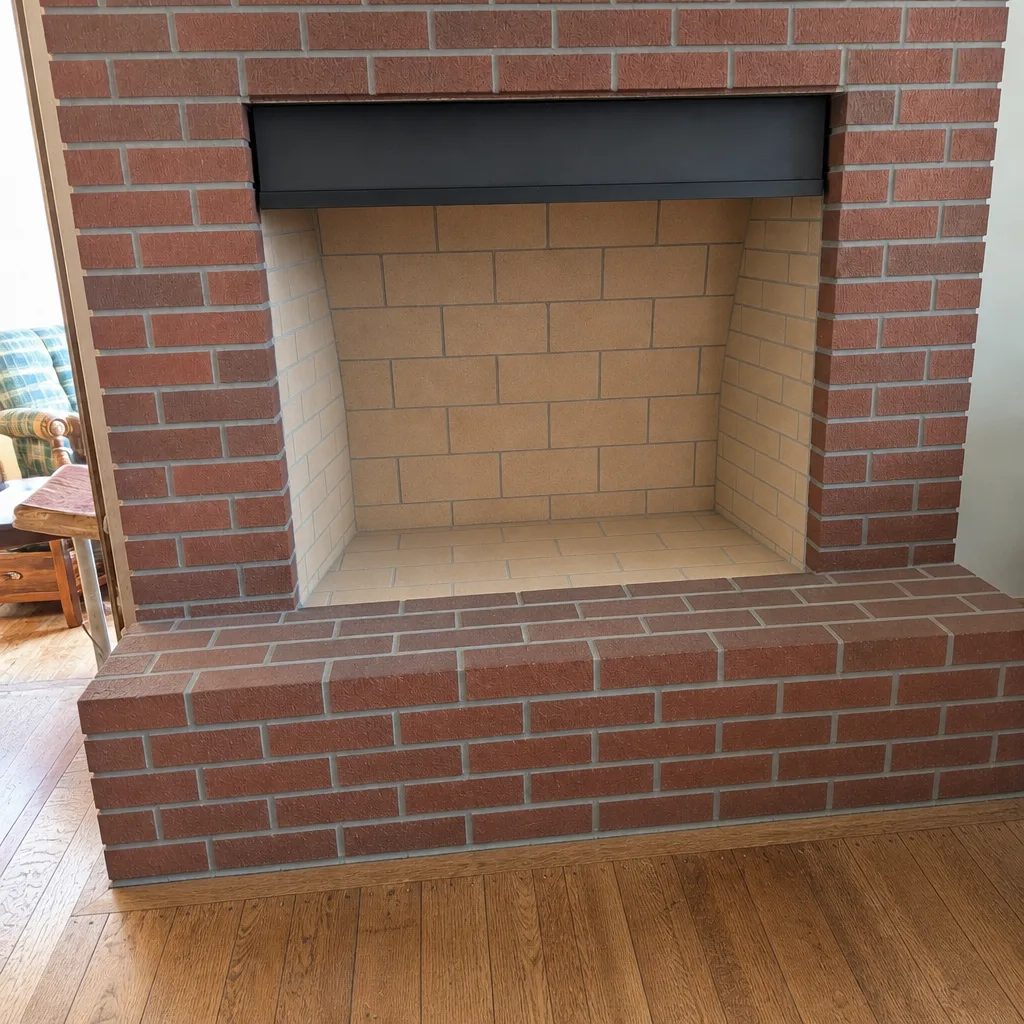
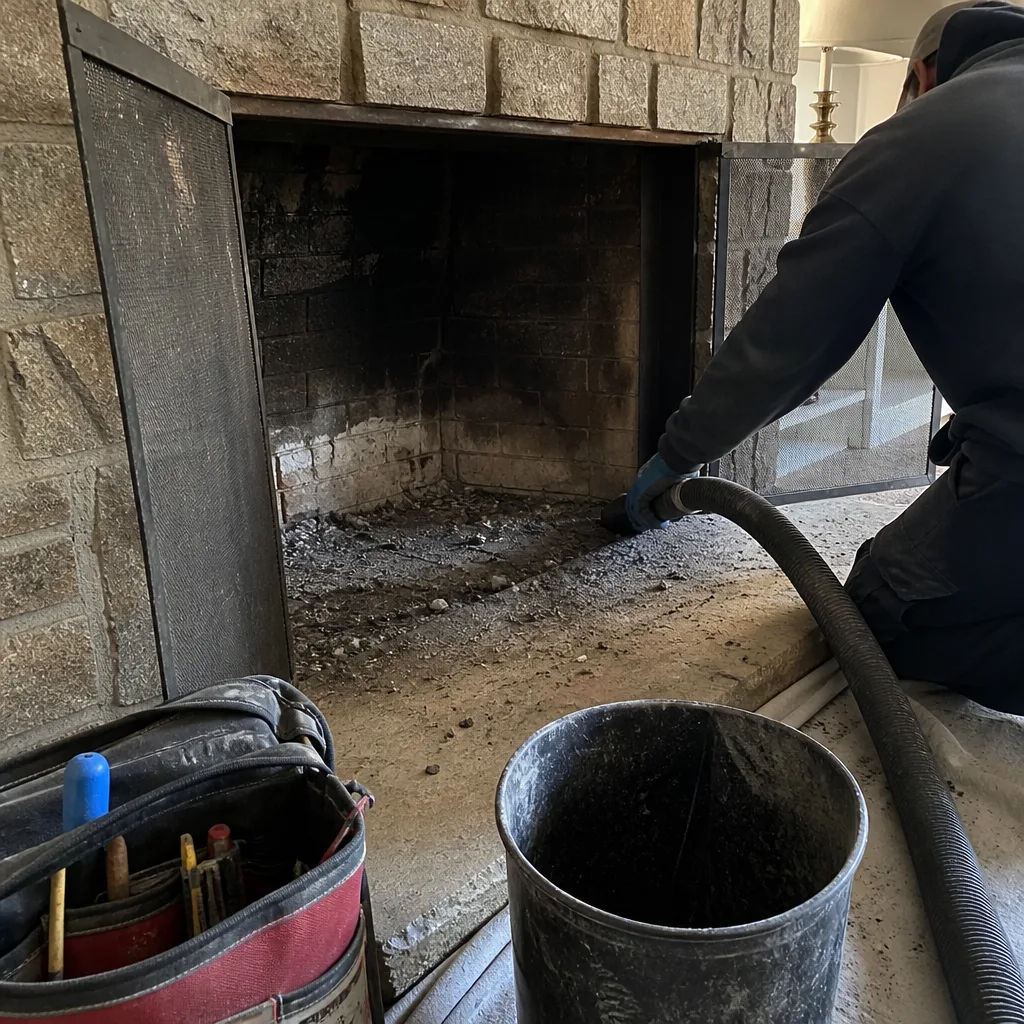
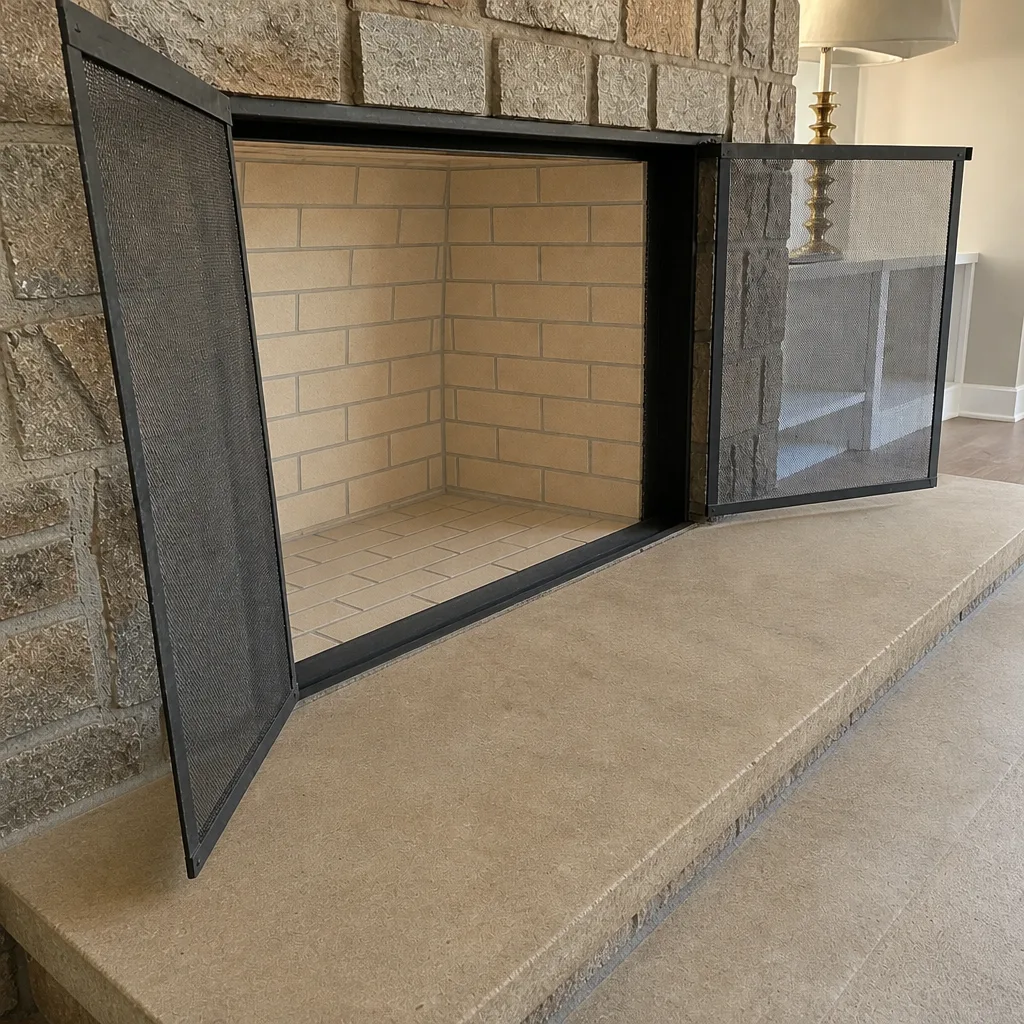
See the difference
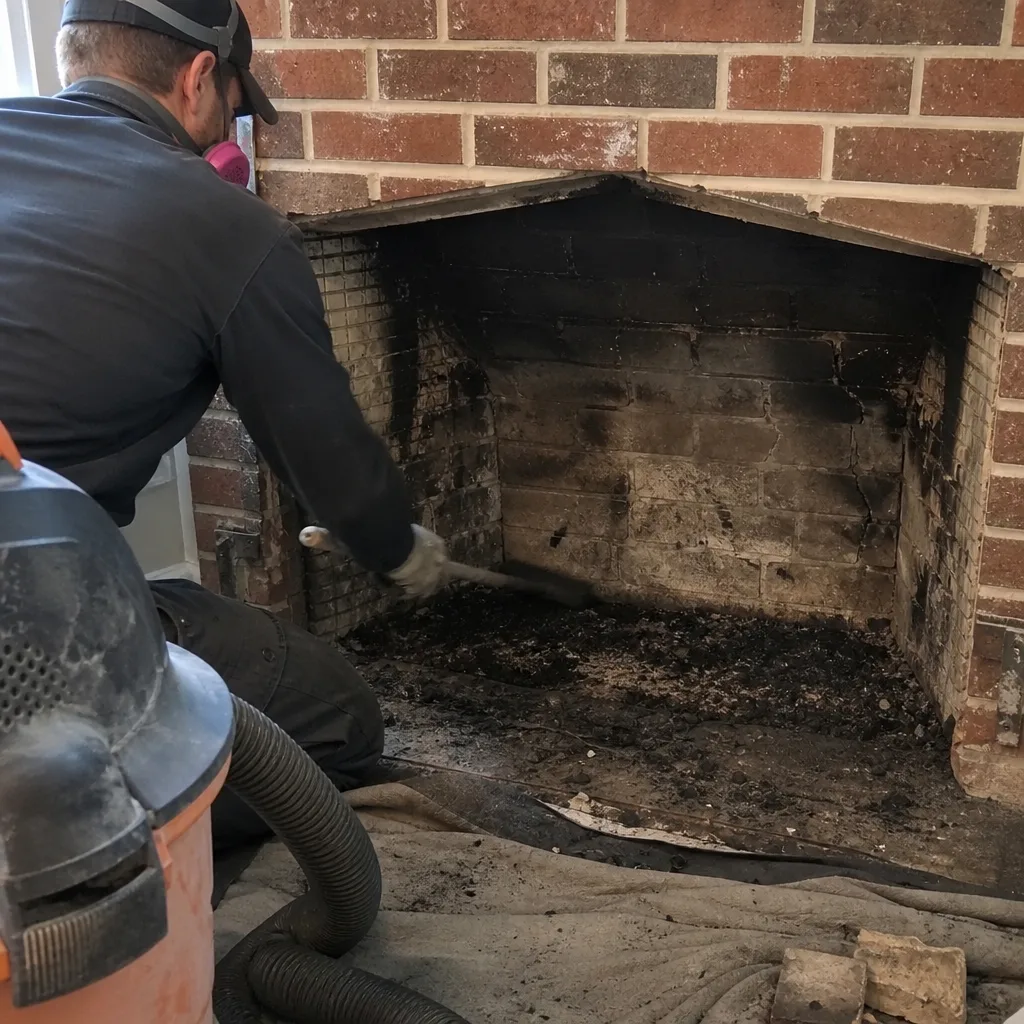 Before
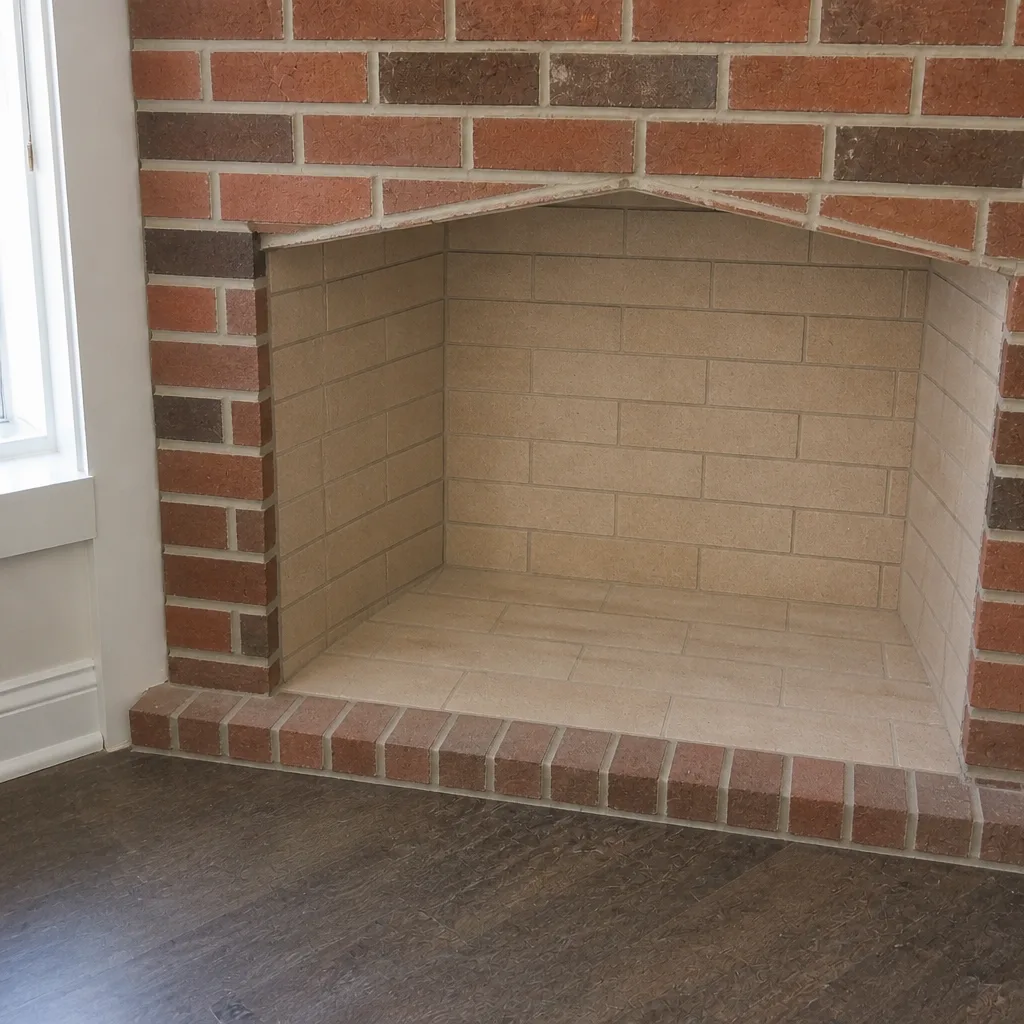 After
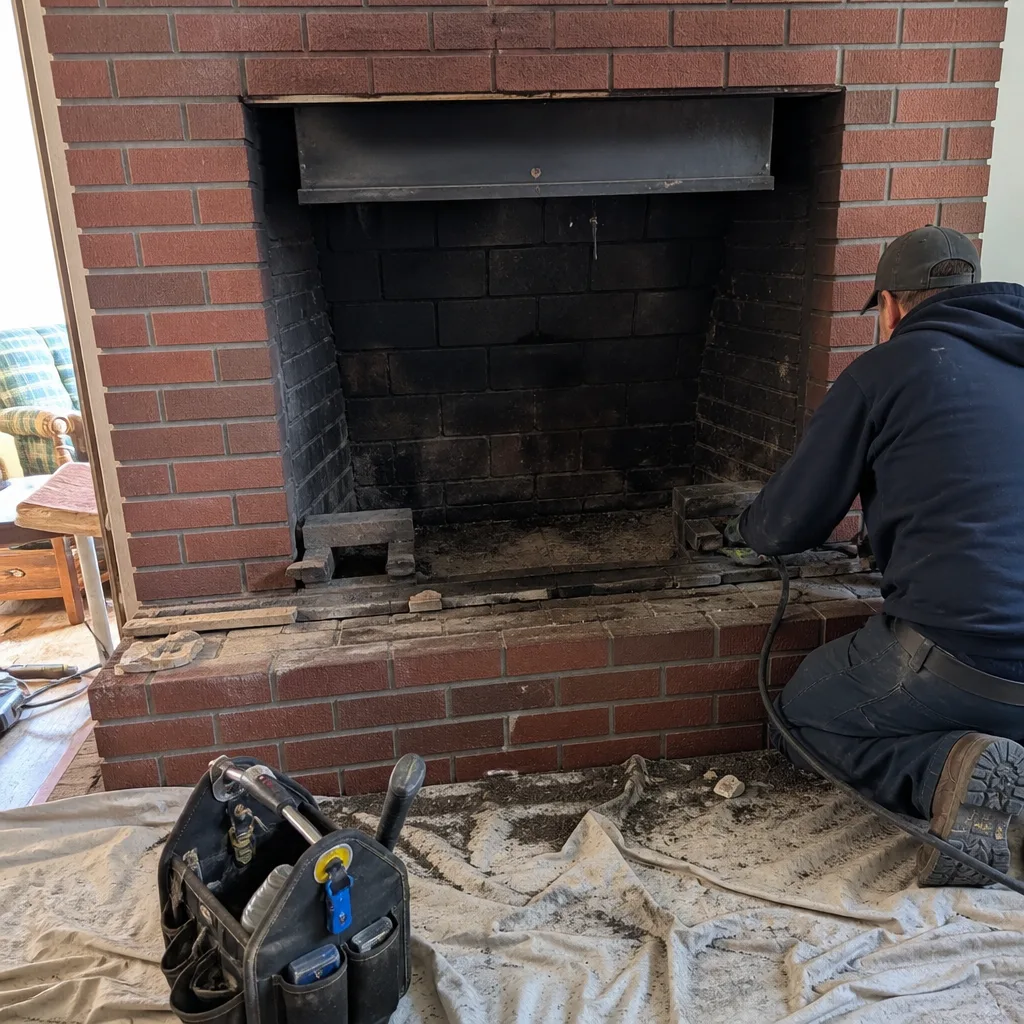 Before
 After
 Before
 After
When to Call a Professional
Call a chimney professional if you’ve noticed any of the following: efflorescence or spalling brick on the exterior; rust on the cap or flashing; smoke rollout or draft reversal; a persistent seasonal odor; a stiff or warped damper; visible soot on the exterior around the cap; or any reason at all to suspect a past small fire. Call promptly for signs that involve the flue itself, and before next burn season for exterior masonry signs. And call before the first fire in a home you’ve just bought, before any burn-season sweep, and after any chimney event where you’re not sure what happened. If you’re not sure whether your sign is on the urgent list, call and describe it. Chimney Sweep Crabtree offers free estimates in Crabtree – call (877) 820-9485. We answer 24/7, with fast dispatch from 7am to 7pm, Sunday through Friday. Our technicians have up to 14 years of experience, and the local pro we connect you with is licensed and insured as the state requires.
Frequently Asked Questions
Chimney cleaning in Crabtree typically falls in a range that reflects the flue size, the deposit condition, and the access. A standard sweep is priced per job by the written estimate, and the estimate is free. The written number is the one that matters, because a flue with glazed creosote or a blocked smoke chamber takes longer than a routine sweep. Call (877) 820-9485 for an exact quote – estimates are free.
Efflorescence means water is moving through the masonry and carrying dissolved salts to the surface. It’s a sign of active water intrusion, not a stain to clean off. The fix is to find the entry point, which is typically the crown, the flashing, or the mortar joints, and repair that. Cleaning the stain without addressing the source just postpones the damage.
Only if the flue has confirmed damage or a condition that a liner corrects: cracked clay tiles, gaps at the joints, or a flue that’s the wrong size for the appliance. We don’t recommend relining based on age alone. We recommend it when the camera photo shows the problem, and we use DuraFlex liner systems for relining because they’re engineered for the specific flue, not improvised on-site. If the inspection shows a sound flue, we’ll tell you it’s sound. Call (877) 820-9485 – estimates are free.
Most residential chimneys need sweeping once a year if the fireplace is used regularly, and more often if the creosote buildup is heavy or the chimney is used with unseasoned wood. If you burn occasionally, a sweep every couple of years with an annual inspection is often enough. The only way to know your chimney’s rate of buildup is to sweep, look, and document. Call us for the first sweep so we can establish the baseline.
Yes, and it commonly does. A small chimney fire can burn for a few minutes in the flue and put itself out, leaving no visible damage from outside. The evidence is inside: puffy honeycomb-textured creosote, warped metal in the firebox, and cracked flue tile at the joints. A camera inspection is the only reliable way to confirm one happened. If you suspect any past fire, book a Level 2 inspection.
The mild signs get worse, and the eventual repair gets more expensive. Efflorescence becomes spalling brick. A stiff damper becomes a jammed damper. A small undetected chimney fire becomes a cracked flue tile that leaks heat and gases into the chimney structure. None of that is a scare tactic; it’s the sequence we see in the field. The reason to act on early signs is to keep the repair small. Call (877) 820-9485 for a free estimate on what your chimney actually needs.
The Bottom Line
A chimney tells you what’s wrong with it, but it uses a vocabulary most homeowners were never taught. White staining is water moving through masonry. Spalling brick is the next stage of the same thing. Smoke rollout, seasonal odors, and a damper that grinds are all draft and containment signals, not quirks. And the small chimney fires that go undetected leave a specific set of evidence in the firebox that a camera inspection can find and photograph. The severity triage in this guide is the practical takeaway: some signs mean call this week, some mean schedule before the next burn season. If you’re unsure which side your sign is on, get an inspection and let the photos decide. Nothing should be recommended without evidence you can see, and the written estimate sets the final price. Chimney Sweep Crabtree handles the full chimney from sweep to structural repair, using manufacturer-grade materials from brands like HeatShield and Olympia Chimney, so one specialist follows the whole job. Call (877) 820-9485 for a free estimate. We answer 24/7, with fast dispatch from 7am to 7pm, Sunday through Friday.
Written by the team at Chimney Sweep Crabtree.