
Last updated November 23, 2026
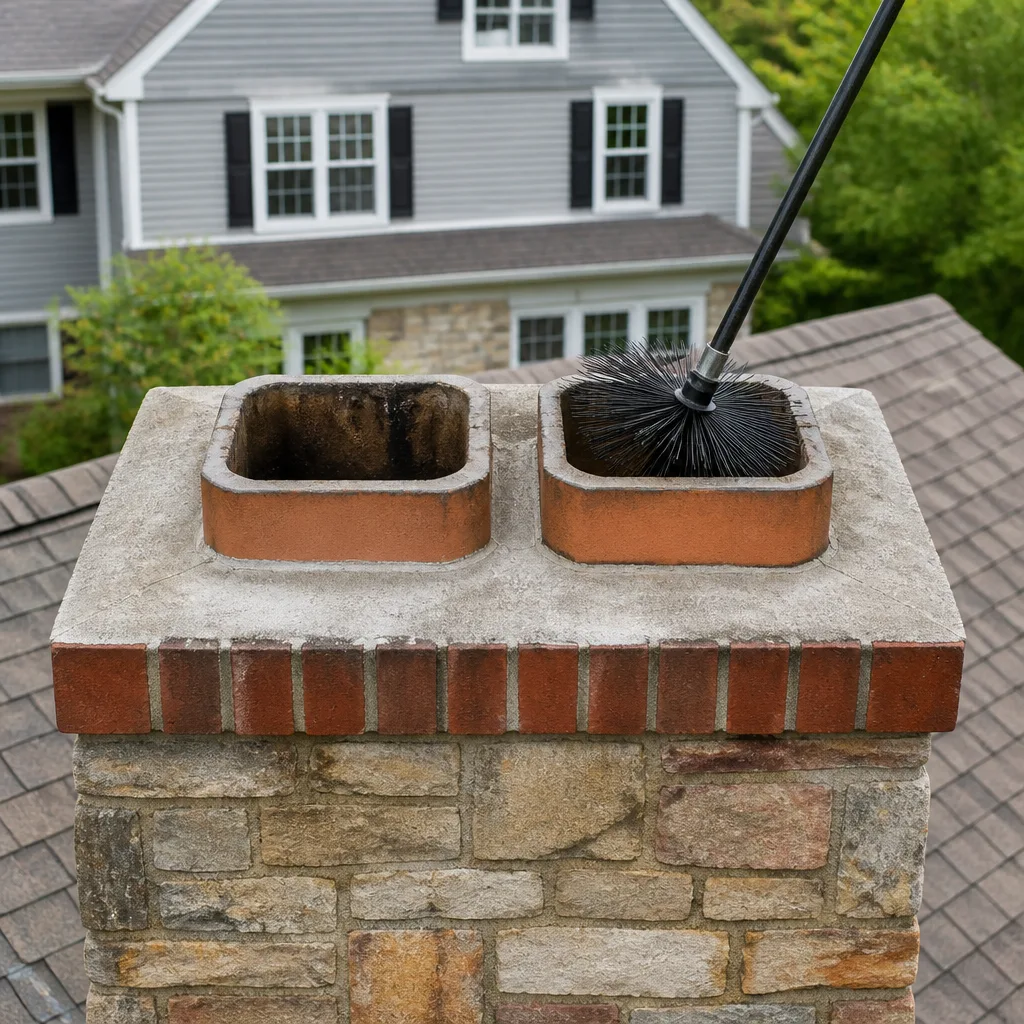 Sweep & inspection
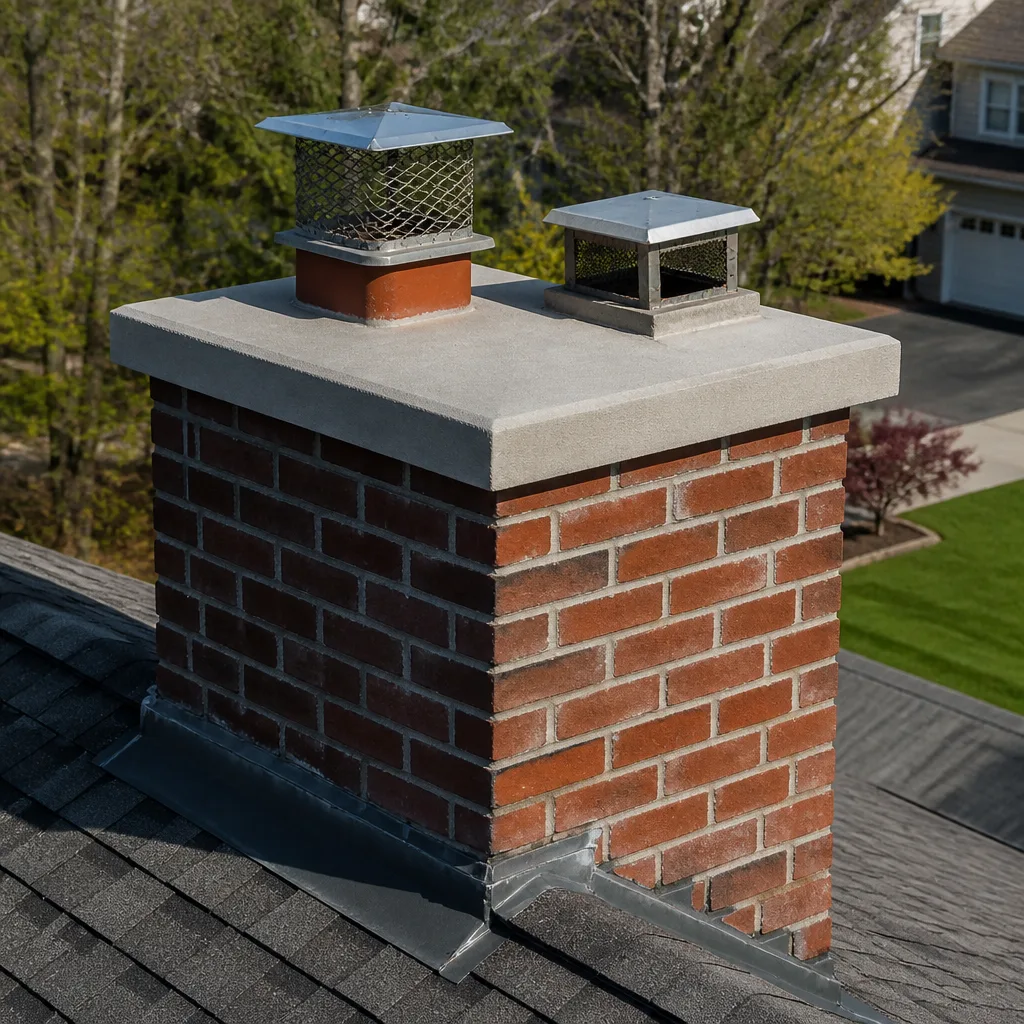 Caps & crowns
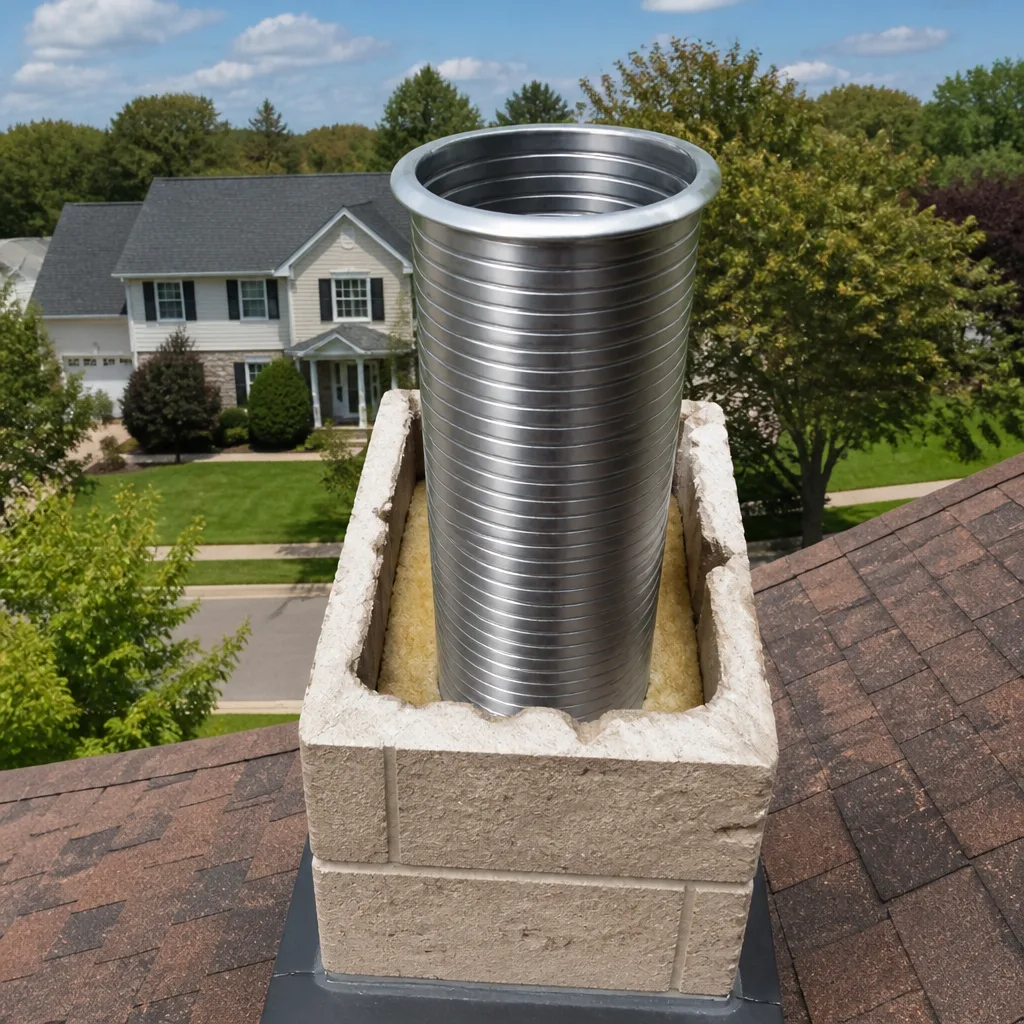 Flue relining
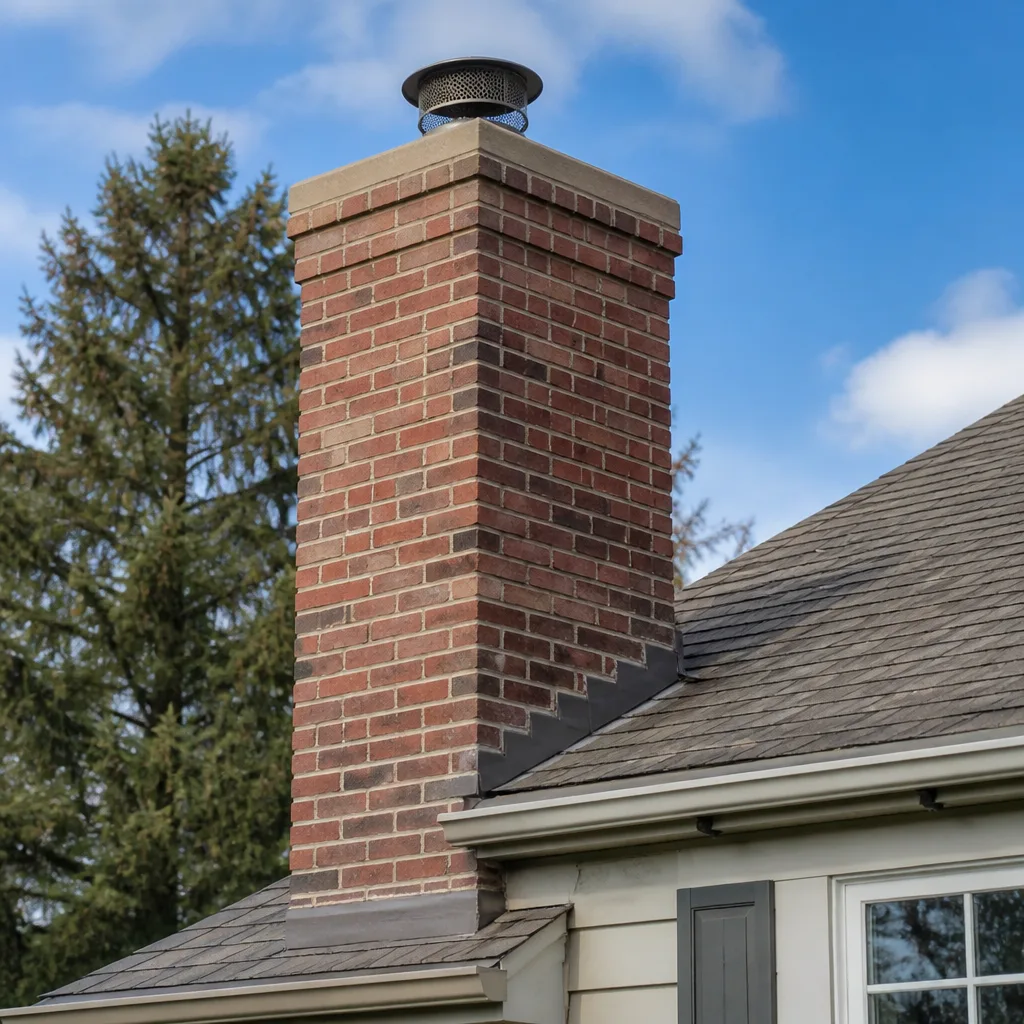 Masonry repair
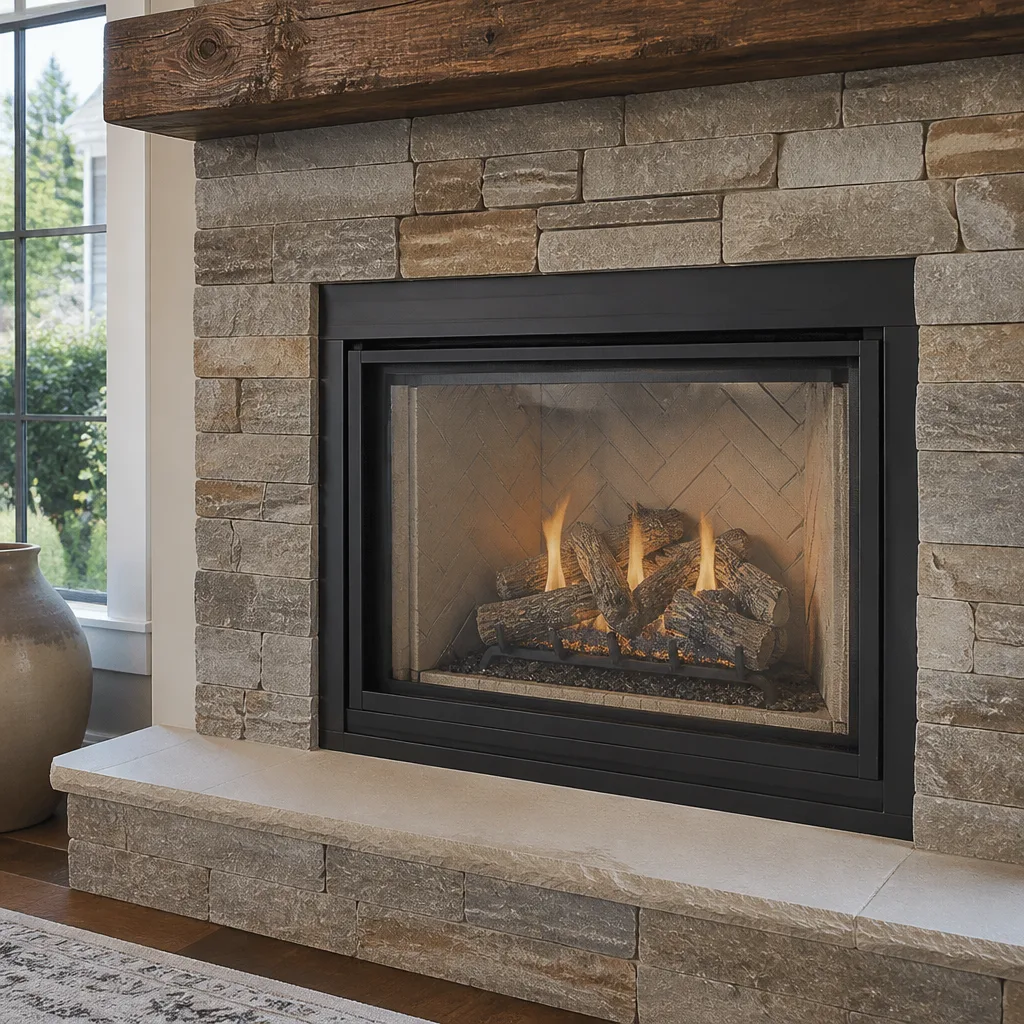 Gas fireplace service
Level 1 sweep and inspection to the NFPA 211 annual standard - flue, crown, cap, and flashing checked and photographed
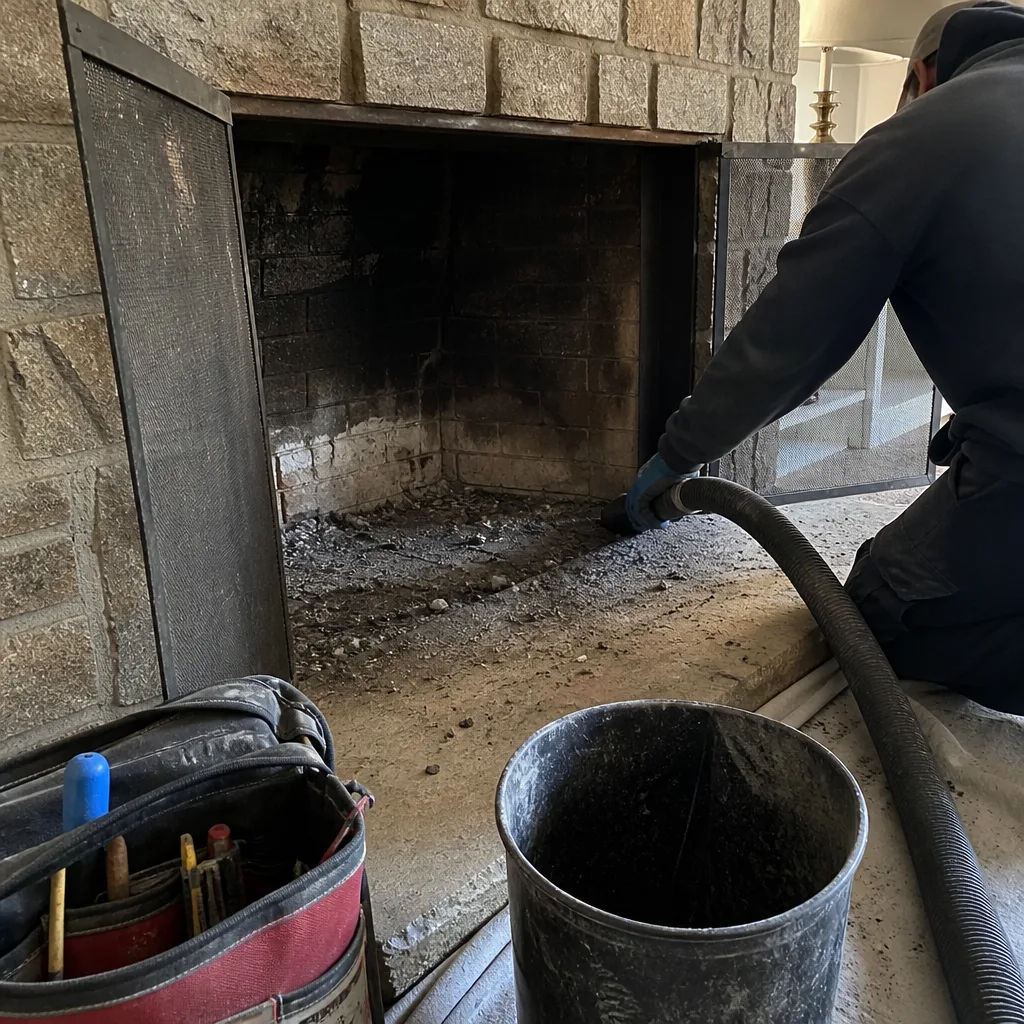
Chimney sweep logs do not sweep chimneys. They loosen some creosote - which then falls where a brush and vacuum still have to collect it.
Chimney Cleaning Permits, Codes & Inspections in Crabtree, NC: What You Need to Know
Most homeowners assume a chimney is a chimney: you hire someone, they sweep it, and that’s the end of the paperwork. But the rules change the moment a job moves from cleaning to construction. Routine sweeping in Crabtree sits in a maintenance category that local code doesn’t require a permit for, while relining, masonry rebuilding, and most structural work often do. The gap between those two categories is where problems grow quietly, and they tend to surface at the worst possible time: at resale, at a warranty claim, or when a buyer’s inspector starts asking questions. This guide lays out which chimney services in Crabtree need a permit and which don’t, how Wake County codes apply, what NFPA 211 actually asks for, what a Level 2 inspection documents, and how to verify your contractor before work begins.
Quick Answer
A routine chimney sweep in Crabtree is maintenance work and generally does not require a building permit in North Carolina. Anything that changes or repairs the structure of the chimney, however, can fall under a permit: installing a new liner, replacing a crown, rebuilding masonry, or altering the firebox. These projects typically need a permit from the local jurisdiction, and the contractor doing the work is responsible for pulling it. NFPA 211 sets the clearance and liner standards those permits are checked against, so a contractor who cites it correctly is one worth trusting.
Styles & brands we work with
- Sweep & inspection
- Caps & crowns
- Flue relining
- Masonry repair
- Gas fireplace service
Table of Contents
- Which chimney services need a permit in NC?
- Which chimney services are maintenance-only and exempt?
- How do Wake County and Crabtree-area codes apply?
- What does NFPA 211 require for clearances and liners?
- What are the inspection levels and what does a Level 2 document?
- How do you confirm your contractor pulled the right permits?
- What happens if the work was already done without a permit?
- Common mistakes to avoid
Which chimney services need a permit in NC?
Work that changes the chimney’s physical structure usually requires a permit. That includes anything that alters the flue, rebuilds or modifies masonry, changes the crown assembly, or installs a component the original construction didn’t include. In Crabtree and the surrounding Wake County area, those permits are typically reviewed against the current building code, including the sections on masonry and factory-built chimney systems. A permit isn’t just paperwork. It gives a code official the chance to confirm the install meets clearance and liner requirements, which are exactly the standards that protect your home.
The most common permit-triggering repairs on Crabtree properties look like this:
- Chimney relining: installing a new flue liner is a structural change, not a cleaning task. A permit is usually required. This is where DuraFlex flexible liner systems come in: a factory-engineered liner is designed and installed to specification, not improvised on-site.
- Crown replacement or rebuild: the crown sheds water from the top of the chimney. Rebuilding or significantly altering it counts as structural work. Our chimney cap & crown work covers both.
- Masonry repair: replacing damaged courses, rebuilding above the roofline, or repointing more than minor mortar joints.
- Firebox rebuilding: structural change to the firebox generally needs a permit. HeatShield ceramic resurfacing is a repair option for firebox and flue liner deterioration that can sometimes avoid full relining, and a specialist can tell you whether your situation qualifies.
- New appliance connections: adding a wood stove or insert typically requires a permit and may require inspection for proper venting.
One important detail: this isn’t a general lesson in home-improvement regulations. It’s chimney-specific. The permits that matter for Crabtree chimneys are about flue design, clearances, and structural integrity, and a contractor who works on chimneys every day knows exactly which work crosses the line.
Which chimney services are maintenance-only and exempt?
A standard chimney sweep is maintenance work and generally does not require a building permit in North Carolina. Cleaning removes soot, creosote, and obstructions. It doesn’t change the structure of the chimney, so it doesn’t trigger the permit process. The same is usually true of a basic visual inspection, cap installation on an existing chimney, and minor maintenance like a damper adjustment or a cap replacement that doesn’t alter the flue. In Crabtree, homeowners schedule a chimney sweep before the heating season largely because it’s low-friction maintenance: no permit, no code review, no wait time. The problem is when a cleaning visit turns into a repair and the homeowner doesn’t know the work has crossed into permit territory.
Here’s how the two categories break down:
- Maintenance (generally exempt): chimney sweeping, basic visual inspection, cap replacement on an existing flue, damper adjustment, minor masonry touch-ups that don’t change structure.
- Structural (generally needs a permit): relining, crown replacement or rebuild, substantial masonry work, firebox rebuilding, new appliance installations.
The distinction matters because homeowners sometimes authorize a repair over the phone without understanding which category it falls into. If you’re not sure, ask directly: “Does this work require a permit in this jurisdiction?” A specialty contractor will have an immediate answer. And if the answer is a full reline, the Chimney Sweep Crabtree team can walk you through the process before anything is scheduled.
How do Wake County and Crabtree-area codes apply?
Chimney work in Crabtree is governed by the code requirements enforced by the local jurisdiction, which in Wake County generally means the county or municipal building department for the property’s location. The core standards come from the current North Carolina building code, which incorporates chimney and venting requirements based on national model codes, including NFPA 211 as a recognized reference. In practice, what code officials check for on a permitted chimney job comes down to a few things: liner sizing and type relative to the appliance, clearance to combustibles, crown and cap condition, and whether the overall venting system matches the appliance it serves. If any of those are off, a permit should catch it before the chimney is closed up.
Crabtree’s housing is typical of the Raleigh area: a mix of older masonry chimneys and newer factory-built systems, often serving gas logs, wood-burning appliances, or masonry fireplaces with their own quirks after years of use. The clay tile liners common in older homes are prone to cracking, and we’ve seen plenty of cracked tiles hiding behind a layer of soot. That kind of deterioration is exactly what a permit-and-inspection process is meant to catch, because a contractor who opens up a flue to install a new liner should be verifying the chimney’s overall condition, not just dropping a product in.
If your property sits inside a specific municipality’s jurisdiction rather than unincorporated Wake County, the permitting office may differ. The safest move is to confirm with the office that handles permits for your address before you authorize structural work. A Crabtree chimney specialist who works in the area regularly should know which office applies.
What does NFPA 211 require for clearances and liners?
NFPA 211 is the standard for chimneys, fireplaces, vents, and solid fuel-burning appliances. It’s the reference code officials and qualified contractors use to judge whether a chimney is safe to use. Two requirements matter most on a permitted job. First, clearances: the gap between a chimney and combustible building materials must stay within the standard’s limits, and reductions in clearance require listed components and careful documentation. Second, liner specifications: the flue liner must be sized and rated for the appliance it serves, and it must be installed according to the manufacturer’s instructions. A contractor who can explain NFPA 211 accurately and point to the clearances in your chimney is demonstrating the kind of technical grounding you want on structural work.
It’s also a useful screening question. “How does your plan meet NFPA 211 clearance requirements?” is a question a generalist often can’t answer. A dedicated chimney specialist can walk you through it in plain language. When a liner is required, we install DuraFlex flexible liner systems, and when a firebox or flue can be restored without full relining, HeatShield ceramic resurfacing is an option worth discussing. We use manufacturer-grade components, not hardware-store substitutes, because the standard applies to the parts as much as the install.
What are the inspection levels and what does a Level 2 document?
Chimney inspections are classified by how thorough they are. A Level 1 inspection is a visual check of the readily accessible portions of the chimney and appliance, done without special tools, and it’s what you’d expect before an annual cleaning. A Level 2 inspection goes further: it covers all accessible portions of the chimney, including areas that require a camera or special access, and it’s the level generally recommended before a home sale, after a chimney fire, after an appliance change, or when an event has likely damaged the chimney. A Level 3 is the most involved and involves opening up parts of the building to inspect concealed areas. For most real estate transactions, a Level 2 is the standard, and it’s the one that matters most for Crabtree homebuyers.
What a Level 2 documents is what makes it valuable: the condition of the flue liner, visible evidence of cracks, gaps, or deterioration, the condition of the firebox and crown, and whether the chimney is properly vented for the appliance it serves. A written report with photos is what a buyer, a seller, and an insurer can read without standing on the roof. We offer chimney inspection as a standalone service in Crabtree, with a camera inspection and photo report included, so you can see exactly what’s going on inside the flue rather than taking anyone’s word for it.
How do you confirm your contractor pulled the right permits?
Before work starts, ask for the permit number and the name on it. That’s the simplest test. A contractor who has pulled the permit can share the number, the permitting office, and the scope of work covered. From there, a few steps confirm everything is in order:
- Ask for the permit number in writing. It should appear on the estimate or contract. If the contractor says a permit isn’t needed, ask them to explain why in writing, referencing the scope of work.
- Call the permitting office for your address and confirm an active permit exists for chimney work at your property. The office can confirm the scope and status.
- Ask who will perform the final inspection and when it’s scheduled. A permitted job isn’t closed out until it passes inspection.
- Keep the final inspection record with your home documents. It’s the proof future buyers, appraisers, and insurers will want to see.
On the flip side, if a contractor tells you a full reline doesn’t need a permit, treat that as a red flag. It’s a common shortcut, and it’s exactly the kind of thing that creates problems later. We’re happy to talk through what a Crabtree project should involve: our technicians have up to 14 years of experience, and we work from a written estimate, so there’s a clear scope you can check against the permit.
What happens if the work was already done without a permit?
If chimney work was completed without a permit that was required, the work can usually still be addressed, but it needs to be looked at, documented, and in many cases permitted retroactively. That means a professional inspection to establish what was actually installed, whether it meets current code, and what corrections are needed. The process varies by jurisdiction; the permitting office for your address can tell you what’s required. The key is to act before you sell, not after: an unpermitted structural change is the kind of thing that surfaces during a buyer’s inspection or title review and complicates the closing.
A retroactive permit review generally involves a proper inspection of the installed liner or repair, confirmation that the components meet the code and manufacturer requirements, and correction of any clearances or defects found. This is where working with a dedicated chimney specialist matters. If you’re in Crabtree and want to know whether an existing repair was done correctly, we can inspect it and give you a straight answer, including whether work can safely wait. That’s a big part of what we do: nobody should be told they need thousands of dollars of liner or masonry work they have no way to verify. Nothing is recommended without camera evidence, and if the chimney is safe to use as-is, we’ll say so.
Common Mistakes to Avoid
- Assuming a sweep and a reline are the same category. Cleaning rarely needs a permit; structural work often does. If you don’t know which category your repair falls into, ask before scheduling. The difference is the entire permit question.
- Taking “you don’t need a permit for that” at face value. Some contractors offer it as a shortcut. On a reline or masonry change, ask them to put the reasoning in writing, then check with your permitting office.
- Skipping the inspection before buying a home in Crabtree. A Level 2 inspection is the standard for a reason: it documents the liner, firebox, and crown conditions a standard home inspection may miss. A visual once-over during a walk-through doesn’t replace it.
- Letting a cleaning visit turn silently into a repair. If a sweep reveals damage and the technician recommends work on the spot, ask whether the repair requires a permit and whether it’s maintenance or structural before you agree.
- Confusing a cap replacement with a crown rebuild. Replacing a cap is usually simple maintenance. Rebuilding the crown is structural work. If a recommendation blurs the two, get it clarified.
- Ignoring cracked liner tiles in an older chimney. Older clay liners in Crabtree homes can develop cracks that aren’t visible from the firebox. A camera inspection catches what the eye can’t.
- Failing to keep permit records. The permit number and final inspection record belong with your home’s paperwork. Future buyers and insurers may ask for them.
See the difference
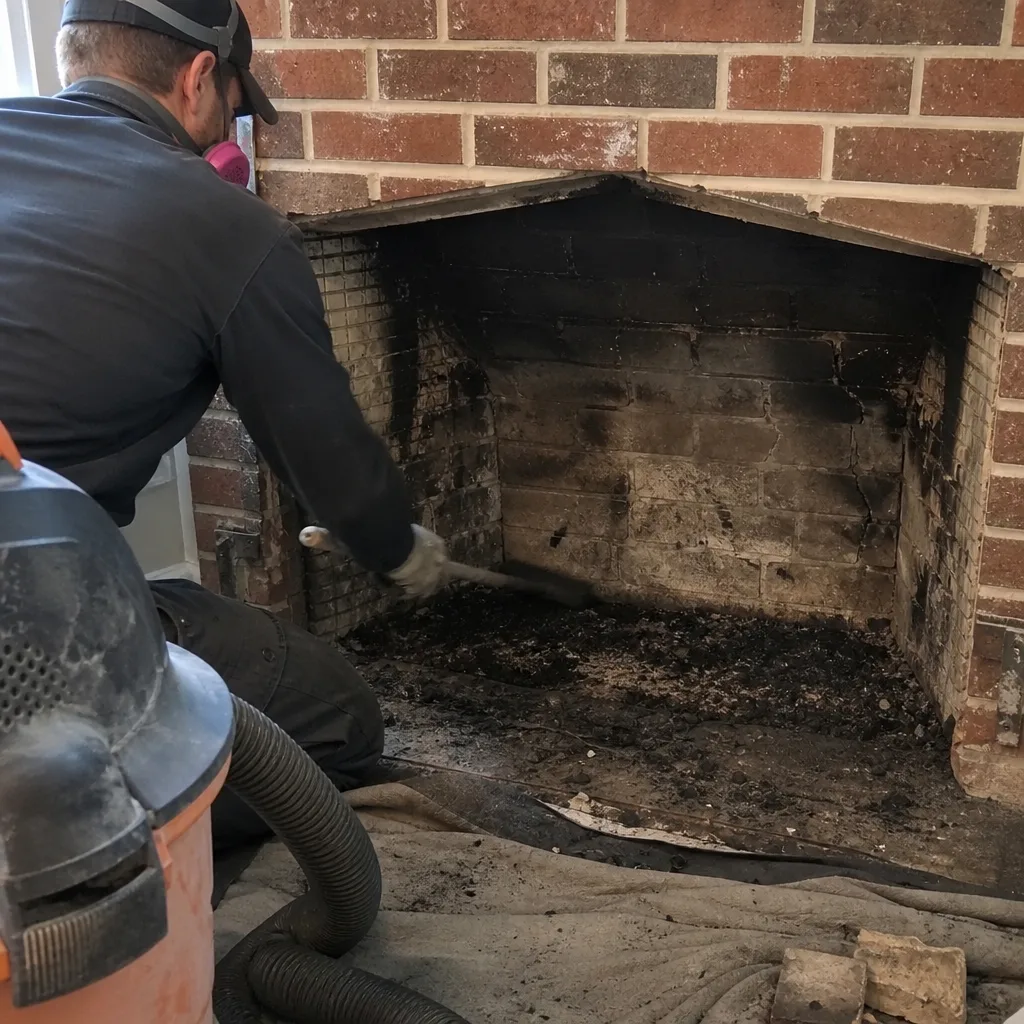 Before
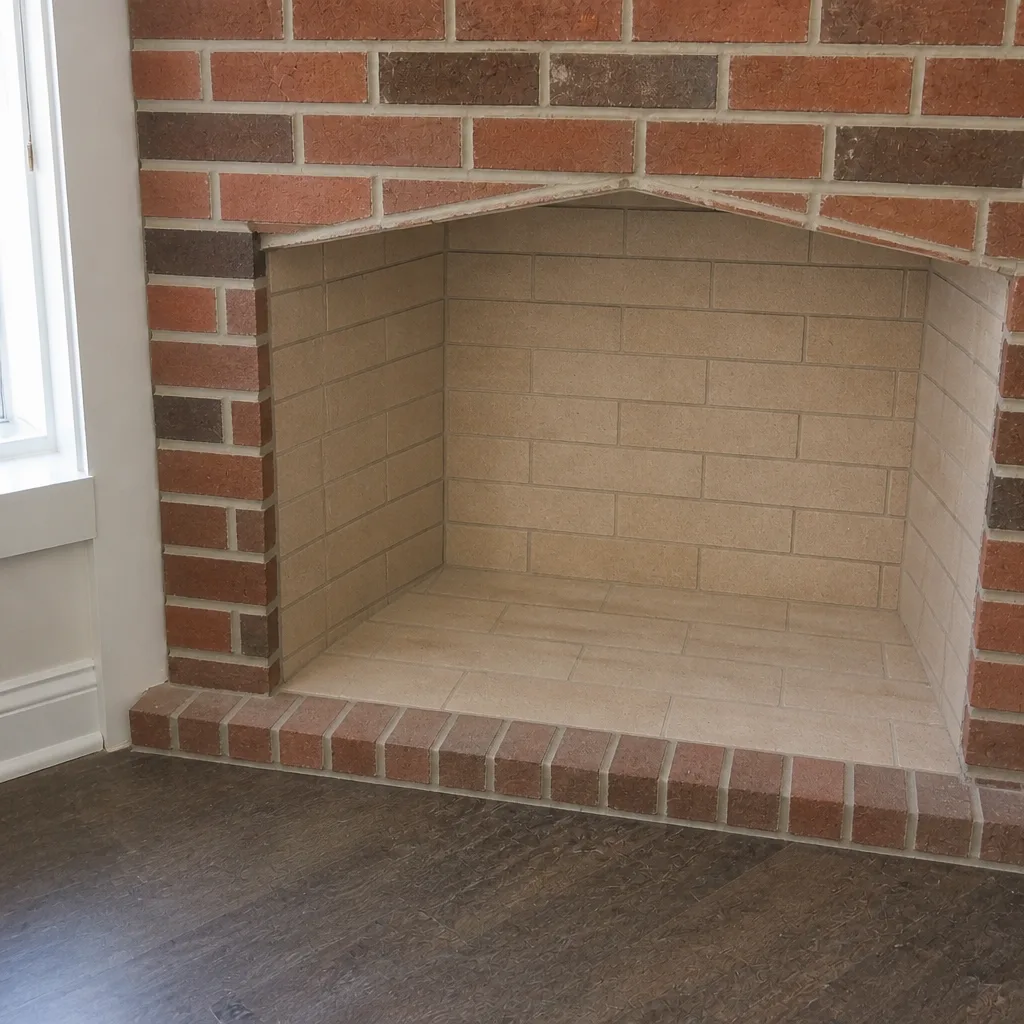 After
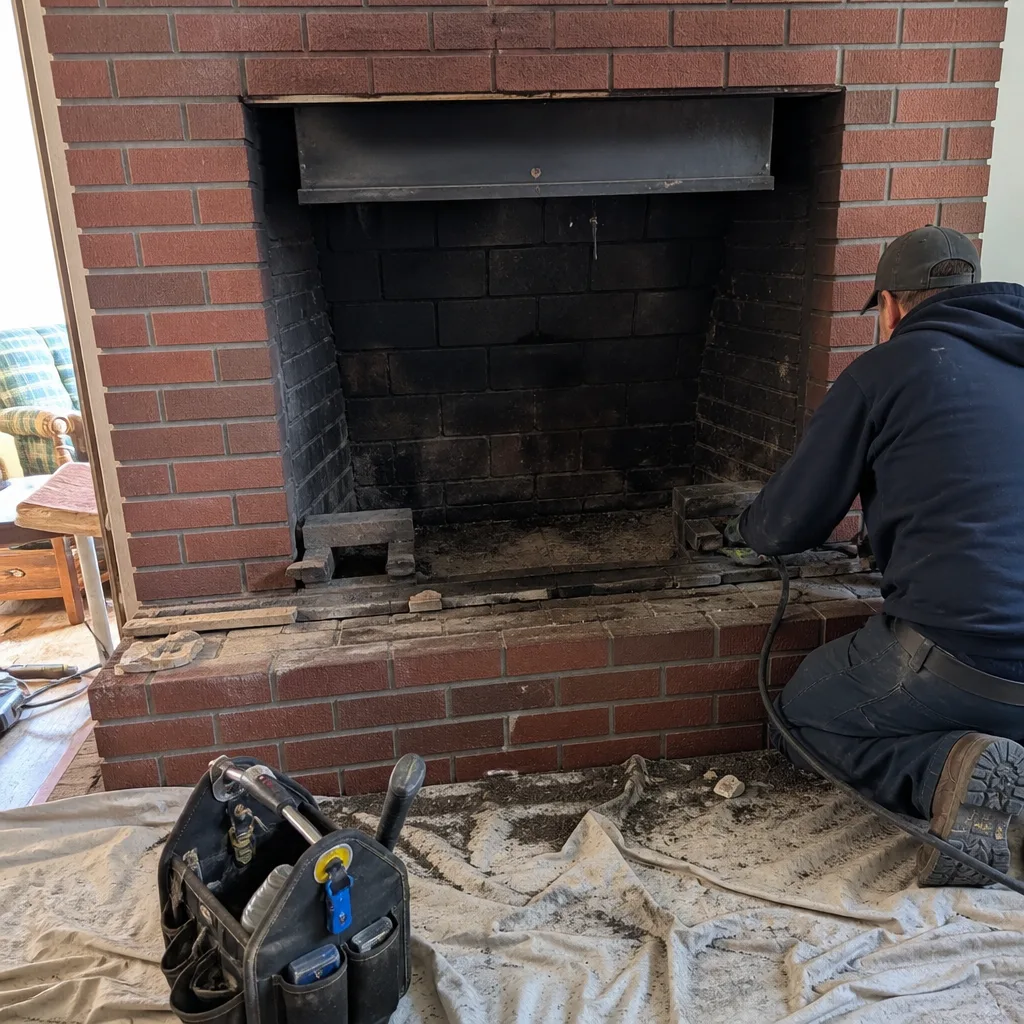 Before
 After
 Before
 After
When to Call a Professional
Call a chimney specialist before you authorize any structural work without knowing whether a permit is required. If you’re buying a home in Crabtree, schedule a Level 2 inspection before closing; it documents conditions a standard home inspection often passes over. If a contractor has told you a reline, crown rebuild, or masonry repair doesn’t need a permit, get a second opinion. If your chimney hasn’t been inspected in a while, or you’ve had a chimney fire or a dropped appliance, call before you use it again. And if you suspect work was done unpermitted, get it checked before you sell. Chimney Sweep Crabtree offers free estimates in Crabtree, call (877) 820-9485. We answer 24/7. Fast dispatch from 7am to 7pm, Sunday through Friday.
Frequently Asked Questions
No. A routine chimney sweep in Crabtree is maintenance and generally does not require a building permit in North Carolina. The permit question only comes up when the work changes the structure of the chimney, such as installing a liner or rebuilding masonry. Call (877) 820-9485 for an exact quote, estimates are free.
Usually yes. Installing a new flue liner is a structural change and typically requires a permit from the local jurisdiction, which then inspects the installation against the current code and the liner manufacturer’s specifications. Confirm the permit exists before work starts. Call (877) 820-9485 if you’d like a project reviewed.
A Level 2 inspection documents the condition of all accessible portions of the chimney, including the flue liner, firebox, crown, and venting, usually with photos. It’s the inspection standard for real estate transactions and gives buyers and sellers something concrete to review. Call (877) 820-9485 to schedule one before your closing.
NFPA 211 is the recognized standard for clearances and liner specifications, and it’s the benchmark code officials and qualified chimney contractors use to judge whether a chimney is safe. A contractor who can explain and apply it correctly is demonstrating the technical grounding structural work requires. Call (877) 820-9485 and we’ll walk you through what your chimney needs.
No. A full reline is structural work and generally requires a permit. Treat a contractor’s insistence otherwise as a reason to get another opinion and to confirm requirements directly with the permitting office for your address. Call (877) 820-9485 if you’d like the scope reviewed.
It can usually be corrected, but it requires an inspection to establish what was actually installed, whether it meets current code, and what repairs are needed, often followed by a retroactive permit. Acting before a sale is far easier than reacting during one. Call (877) 820-9485 and we can inspect what you have.
The Bottom Line
The permit rules for chimney work in Crabtree come down to one question: is this maintenance or structural work? Cleaning, a basic inspection, and simple maintenance generally don’t require a permit. Relining, crown rebuilding, substantial masonry repair, and firebox changes usually do. Wake County’s requirements, NFPA 211 clearances, and a Level 2 inspection together form the framework a safe chimney rests on, and verifying permit status before work starts protects your warranty, your resale, and your safety. If you’re unsure which category your chimney falls into, ask before you authorize the work.
If you need a chimney inspection, repair, or a straight answer about what your chimney actually needs, we’re here. Chimney Sweep Crabtree offers free estimates in Crabtree, call (877) 820-9485. We answer 24/7. Fast dispatch from 7am to 7pm, Sunday through Friday. Whether it’s a routine sweep, a fireplace repair, or a structural question that needs a permit, our technicians have up to 14 years of experience and can tell you exactly where things stand, with the camera evidence to back it up.
Written by the team at Chimney Sweep Crabtree.