
Last updated November 23, 2026
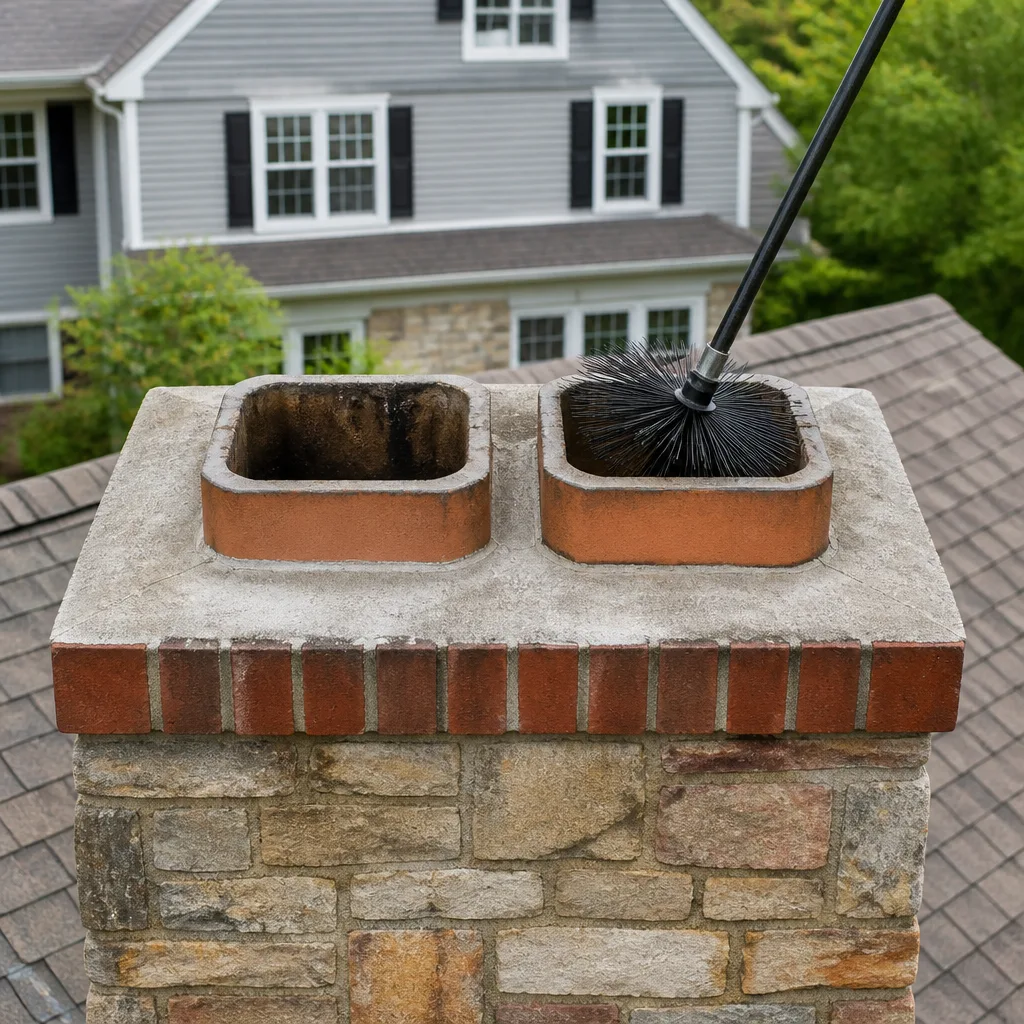 Sweep & inspection
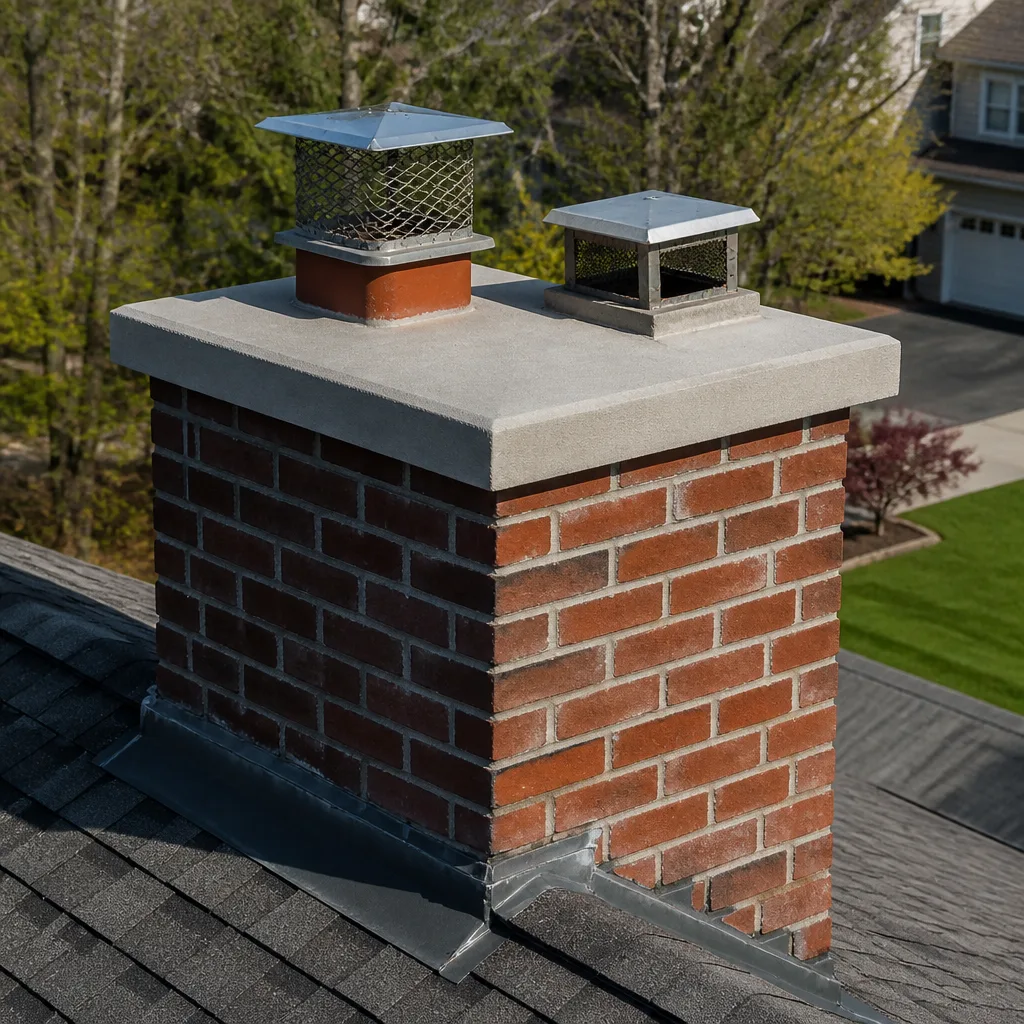 Caps & crowns
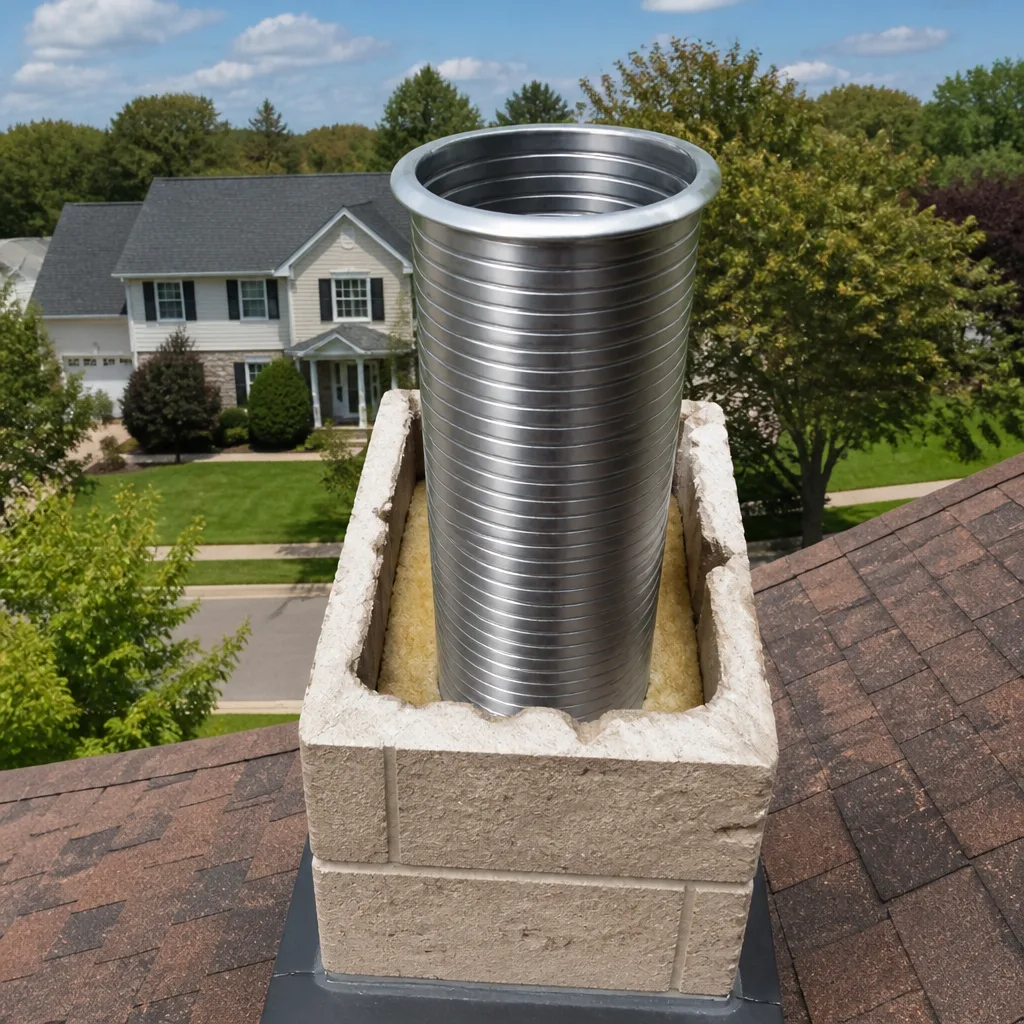 Flue relining
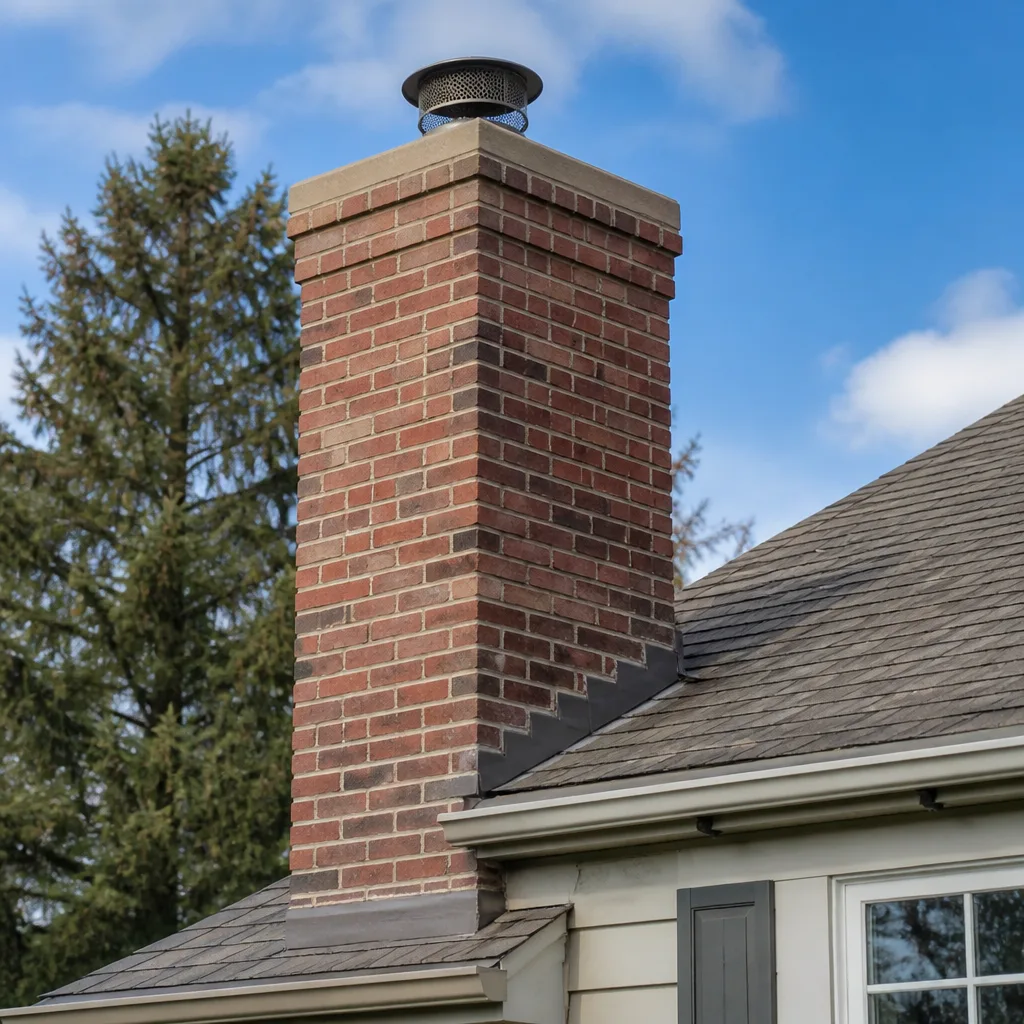 Masonry repair
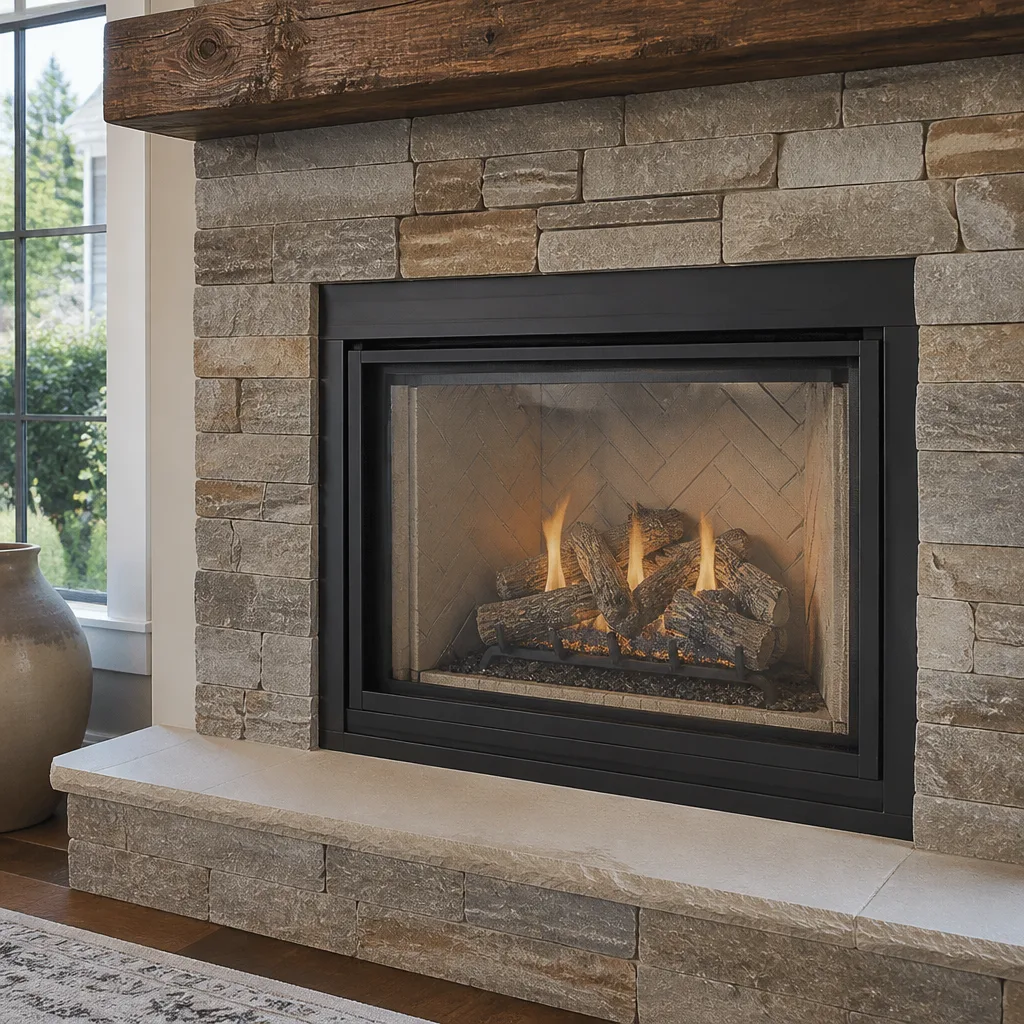 Gas fireplace service
Level 1 sweep and inspection to the NFPA 211 annual standard - flue, crown, cap, and flashing checked and photographed
Chimney sweep logs do not sweep chimneys. They loosen some creosote - which then falls where a brush and vacuum still have to collect it.
Chimney Cleaning Emergency Preparedness Guide for Crabtree Homes
Most homeowners prepare for a chimney emergency by buying an extinguisher and assuming that is enough. It isn’t. A chimney fire sounds like a low roar, almost like a freight train running inside the flue, and it can reach temperatures over 2,000°F. In a house with a cracked or deteriorated liner, that heat can move into the framing within minutes. The uncomfortable truth is that the 15 to 30 minutes after a chimney problem starts are the window that decides whether the event stays contained or becomes catastrophic, and almost nobody has thought that window through ahead of time. This guide walks through what that window looks like, how to recognize the danger, and what to do. We’re the team at Chimney Sweep Crabtree, and this is the information we wish every homeowner had before the first cold night.
Quick Answer
If you suspect a chimney fire, get everyone out of the house, call 911 from outside, and do not run water into the firebox. Close the damper only if you can do it safely from outside the fire’s path, since starving the fire of oxygen helps but should never delay evacuation. After any chimney fire, the chimney cannot be used again until a Level 2 inspection confirms the liner and surrounding structure are sound, even if nothing looks damaged from the room. Carbon monoxide is the quieter danger, so a working CO detector near the sleeping area and a chimney that has been inspected before each burn season are the two preparedness steps that matter most.
Styles & brands we work with
- Sweep & inspection
- Caps & crowns
- Flue relining
- Masonry repair
- Gas fireplace service
Table of Contents
- How to Tell a Chimney Fire From a Normal Heavy Fire
- The First Five Minutes: What to Do in a Chimney Fire
- Why You Should Not Use Water on a Chimney Fire
- Carbon Monoxide and Your Chimney: The Quiet Emergency
- After a Chimney Fire: Why the Chimney Stays Off Until Inspection
- Your Pre-Season Emergency Preparedness Checklist
- Know Your Damper Before You Need It
- Prevention Is the Real Emergency Plan
How to Tell a Chimney Fire From a Normal Heavy Fire
A normal fire in a clean flue burns with a steady, contained sound. You hear the occasional pop and crackle, you see a lazy plume of smoke rise from the chimney, and the firebox stays put together. A chimney fire is a different animal, and the difference is worth learning now while everything is calm.
The signature sounds are a low, rumbling roar, a crackling that sounds more like a freight train or a distant jet than a campfire, and sometimes a series of pops that get louder and more frequent. People often describe it as a vibration they can feel through the floor before they can name what they’re hearing.
Smoke behavior tells you a lot too. Watch the top of the chimney from outside if you can get there safely. A chimney fire often pushes dense, dark smoke and sometimes sparks or flaming debris out the top. If the smoke suddenly turns from thin and gray to thick and black, that’s a signal. Inside, you might see the damper or the stovepipe glowing, or puffs of smoke escaping through seams and joints that normally seal tight.
Smell is the fourth clue. Creosote burning has a sharp, acrid, almost chemical odor, distinctly different from wood smoke. If that smell fills the room, treat it as a warning.
- Sound: low roar, rumbling, freight-train crackling that keeps building
- Smoke: dense black smoke or sparks from the chimney top
- Glow: visible heat at the damper, stovepipe, or flue joints
- Smell: acrid, chemical creosote odor inside the room
In our experience around Crabtree, most people who describe a chimney fire afterward say the sound was the thing that got their attention first. Learn the sound now and you’ll recognize it in a second.
The First Five Minutes: What to Do in a Chimney Fire
The order of your actions matters. Here is the sequence we want every Crabtree homeowner to have rehearsed in their head before the heating season starts.
- Get everyone out first. Move people and pets out of the house and away from the exterior chimney. Do not stop to gather belongings. A chimney fire can breach into framing, and the home fills with smoke fast.
- Call 911 from outside. Even if the fire seems to be calming, call. Fire crews can check the roof and the attic from angles you cannot see, and they can confirm the fire is out rather than hiding in a wall cavity.
- Close the damper, but only if it’s safe to reach. Starving the fire of oxygen helps slow it down. If the damper control is right there and the path is clear, close it on the way out. Do not reach across flames or into heavy smoke to do it.
- Close glass doors and any air intakes. If your fireplace has glass doors, shut them to reduce air feeding the fire.
- Do not spray water into the firebox while the fire is at peak heat. We explain why in the next section, and it’s one of the most important points in this guide.
- Wait for the fire department to clear the scene before you re-enter. Then keep the chimney out of service until it’s inspected.
The best advice we can give is to treat this list as something to walk through once with your family, out loud, before the first fire of the season. Knowing where the damper control is, which door everyone exits, and where the phone is charged turns a panic into a plan.
Why You Should Not Use Water on a Chimney Fire
Water feels like the obvious answer, and for a fire in the firebox it can be. For a chimney fire running at extreme temperature, it’s the wrong tool for a few specific reasons.
First, a sudden blast of cold water against a flue that’s been heated to 2,000°F or more can cause thermal shock. The liner and masonry can crack or spall from the rapid temperature change, and a crack in the liner is exactly the pathway that lets fire and hot gases into the framing. You can turn a contained event into a structural one by doing the instinctive thing.
Second, water hitting the firebox of a fire that’s still roaring throws steam and hot ash back into the room. That can burn whoever is holding the hose and can spread smoke and embers into the living space.
Third, if the fire has moved into the flue at high temperature, water in the firebox doesn’t reach it. You get the shock risk without extinguishing anything.
What to do instead: close the damper if it’s safe, close the glass doors, get out, and let the fire department handle suppression. They carry the right tools for a chimney fire. When the fire is out and the house is cleared, that’s when a chimney specialist comes in to assess the damage. We work with HeatShield ceramic resurfacing to restore fireboxes and flue liners that survive a fire with damage short of full relining, and DuraFlex flexible liner systems when a full reline is the right call.
Carbon Monoxide and Your Chimney: The Quiet Emergency
Chimney fires get the attention because you can hear them. Carbon monoxide doesn’t give you a warning you can hear, which is why every preparedness plan for a Crabtree home has to include CO. Here is how CO moves in a chimney system and where to watch for it.
Blocked flues
A blocked flue is one of the most common CO scenarios in a wood-burning home. A bird nest, a squirrel nest, a cap that’s been crushed by a fallen branch, or a heavy creosote deposit can close off the passage. The fire keeps burning but the smoke has nowhere to go but back into the room. Some of that smoke is carbon monoxide. If your fire burns poorly, smoke refuses to draft up, and the room gets smoky, shut the fire down and have the flue checked before you burn again.
Downdraft events
Downdraft happens when air pressure or a wind pattern sends air down the chimney instead of up. In Crabtree, this becomes more common when the weather swings, during odd wind patterns, and when a house is very tight and the chimney is competing for air with bathroom fans or a kitchen hood. A downdraft can dump combustion gases into the room in the middle of a burn. If a fire suddenly starts spilling smoke after burning cleanly for an hour, treat it as a downdraft and shut it down.
Cracked components in gas fireplaces
Gas fireplaces and inserts have their own CO risks. A cracked heat exchanger, a blocked vent, or a flue that’s disconnected from the fireplace can leak CO with no visible smoke and no smell. A gas fireplace that’s been professionally vented and maintained poses low risk; one that’s been sitting unserviced for years is the case that worries us.
Where to place CO detectors
CO is roughly the same weight as the air in your home, so it mixes with the room air rather than pooling at the floor or ceiling. That means placement is about where people sleep, not about where the gas is “heaviest.” We recommend:
- One detector on every level of the home, especially in the hallway outside sleeping areas
- One within 10 to 15 feet of each fireplace or wood stove, so a sudden spill is caught early
- Avoid placing detectors directly above a fireplace (they can false-alarm on smoke) or in a dead corner with no air movement
- Test each detector monthly and replace the batteries at the same time each year
If a CO detector alarms, get everyone outside and call 911. Do not open windows and assume the alarm was a fluke. Do not reset it and go back to what you were doing. A CO alarm means a source needs to be found.
After a Chimney Fire: Why the Chimney Stays Off Until Inspection
This is where we see the biggest preparedness gap. A chimney fire goes out, the house seems fine, and the homeowner lights the fireplace again that evening because nothing looks wrong. That’s the mistake.
A chimney that has survived a fire cannot be used again until a Level 2 inspection has been completed and clears it. The Level 2 inspection is the deeper assessment that looks at the liner, the flue, and the parts of the chimney you can’t see from the firebox. It sometimes involves a camera to look at the interior of the flue.
Here’s why a visual inspection from the room isn’t enough. The damage a chimney fire does is often hidden:
- Hairline cracks in a clay liner that don’t show from the firebox
- Warped or buckled metal flue sections inside a prefab system
- Damaged mortar joints in the flue that look fine from outside
- Heat damage in framing near the chimney that a room-based glance can’t reveal
The reason this matters so much is that the next fire is the one where a cracked liner becomes a real problem. A liner that survived the fire with a crack can let heat and flames into the framing during the next warm fire. So the protocol after any chimney fire is: keep it off, call for a Level 2 inspection, and light it again only when a specialist says it’s safe.
If the inspection finds damage, we often have more than one path forward. HeatShield ceramic resurfacing can restore a firebox or flue liner without a full reline when the damage is within its reach. When the damage is more extensive, DuraFlex flexible liner systems give you a factory-engineered replacement sized and installed for your chimney rather than a patch improvised on site.
Your Pre-Season Emergency Preparedness Checklist
Here is the checklist we go through with Crabtree homeowners before the burn season starts. None of it is expensive, and all of it takes less than an afternoon.
- Test every smoke alarm and CO detector. Replace the batteries in each. Confirm you have a CO detector on every level and within 10 to 15 feet of the fireplace.
- Find your damper control. Open and close it a few times so you know the motion by feel. Show everyone in the house where it is.
- Have your chimney inspected before the first fire. A standalone chimney inspection is one of our core services and catches the problems that lead to emergencies before they happen.
- Schedule a chimney sweep if the flue hasn’t been cleaned in the past year. The chimney sweep is the single most effective way to reduce chimney fire risk. A clean flue has less creosote to ignite.
- Walk your family through the evacuation plan. Two exits from the main living area, a meeting spot outside, one person responsible for calling 911.
- Keep your chimney service contact somewhere you can find it fast. Tape the number inside a kitchen cabinet. Program it into your phone. Don’t count on finding it online in the middle of a scare.
- Check the chimney cap and crown. A missing cap lets animals and debris in, and a cracked crown lets water into the masonry. Both cause problems that turn into emergencies later.
- Know what your fireplace is rated for. A wood firebox that’s been converted to gas runs on a different set of rules than a wood-only fireplace. Know what you have.
If your list has items you can’t tick off yourself, call (877) 820-9485. We answer 24/7. Fast dispatch from 7am to 7pm, Sunday through Friday.
Know Your Damper Before You Need It
The damper is the single most important piece of hardware in a chimney emergency, and most homeowners couldn’t point at theirs under pressure. That gap is worth closing now. Here’s what you need to know.
The damper is the metal plate above the firebox that opens and closes the flue. It’s operated by a handle, a lever, or a chain depending on the fireplace. In a wood-burning fireplace, it’s usually a handle above the top of the firebox or a pull chain on the side. In many gas fireplaces, it’s mechanically limited or eliminated because the vent is fixed.
Two things to check about your damper:
- How it moves. Open and close it with a cold firebox a few times. Learn the position that means “fully closed” and the position that means “fully open.” Some dampers have a visible notched position; know which notch is which.
- Whether it seals. A damper that won’t close fully lets heat escape up the chimney all winter. A damper that won’t open freely can trap smoke in the room. Either problem is worth fixing before the heating season, not after.
Why it matters in an emergency: closing the damper during a chimney fire starves the flames of oxygen and slows the burn. That reduction in oxygen is one of the few actions a homeowner can take during the event that actually helps. It’s also why knowing the damper’s location, and how to reach it without crossing a hot firebox, is a rehearsed step, not an improvised one. In our experience, the homeowners who handle a chimney emergency best are the ones who knew their damper before they needed it.
Prevention Is the Real Emergency Plan
Preparedness is about what to do in the 15 to 30 minutes after an emergency starts. Prevention is about making sure that window never opens in the first place. Both matter, and both start with the same few habits.
The most important habit is the annual chimney sweep. Creosote, the residue that builds up in a flue from burning wood, is what fuels a chimney fire. A flue that gets swept before the burn season starts has far less of it. Our chimney sweep visits include a camera inspection and a photo report so you can see the state of your flue for yourself. The camera image shows you the creosote and lets you decide when a sweep is due rather than taking someone’s word for it.
The second habit is the pre-season inspection. Our team offers chimney inspection as a standalone service, which we recommend before every heating season and after any home purchase. If you’ve just bought a home in Crabtree and the fireplace hasn’t been used in a while, inspection before the first burn is the single safest first step.
The third habit is knowing the components above the firebox that keep your chimney out of trouble. chimney cap & crown work keeps rain, animals, and debris out of the flue and keeps the masonry sound. Both are worth checking in the fall.
The fourth habit is keeping the fireplace itself in good order. Cracked firebrick, a faulty grate, or a gas log set that isn’t venting right are all fireplace repair items worth solving before the season begins. We handle all five categories of chimney and fireplace work with one specialist: sweep, inspection, cap and crown, fireplace repair, and chimney repair. No handoffs to subcontractors for pieces of the job.
Whether your fireplace is a wood-burner you’ve used for years or one you’re lighting for the first time in a home you just bought, our Chimney Sweep Crabtree team is set up for the full chimney lifecycle. We source from the professional brands the trade actually specifies: DuraFlex, HeatShield, Gelco, Olympia Chimney, Famco, and Copperfield. Not hardware-store substitutes. If we’re doing the work, we’re doing it with the materials that hold up to it.
Common Mistakes to Avoid
- Assuming a chimney fire has to be obvious. Many chimney fires burn slowly and quietly and go out on their own before anyone calls. They still damage the liner, and the chimney is still unsafe until inspected. If you suspect one happened, treat it like one.
- Running for a hose first. Thermal shock from cold water on a 2,000°F flue can turn a contained fire into a structural one. Get out and call 911 instead.
- Lighting the fireplace the same night after a fire. Even if the firebox looks normal, the flue inside may be cracked. The next fire is the one that exploits the damage.
- Skipping the pre-season inspection because it “looked fine last year.” In Crabtree, a chimney that got through the last heating season without incident can still have a new crack, a new animal nest, or a fresh creosote load by the time fall arrives. Inspect before you burn.
- Placing the CO detector only in the basement or utility room. CO mixes with room air, and the people who need warning most are the ones sleeping. Place it in or near bedroom hallways and near the fireplace.
- Leaving a chimney cap off to “let it breathe.” An uncapped flue collects rain, birds, squirrels, and leaves. The blocked flue that causes a CO event is often an uncapped one.
- Hiring a generalist for a chimney problem. Chimney work has its own materials, its own inspection levels, and its own failure modes. A general contractor can patch a crown; a chimney specialist knows what’s happening inside the flue that made the crown fail.
- Not knowing where the damper is. The one minute you spend finding it before the season starts is the minute that saves the most during a fire.
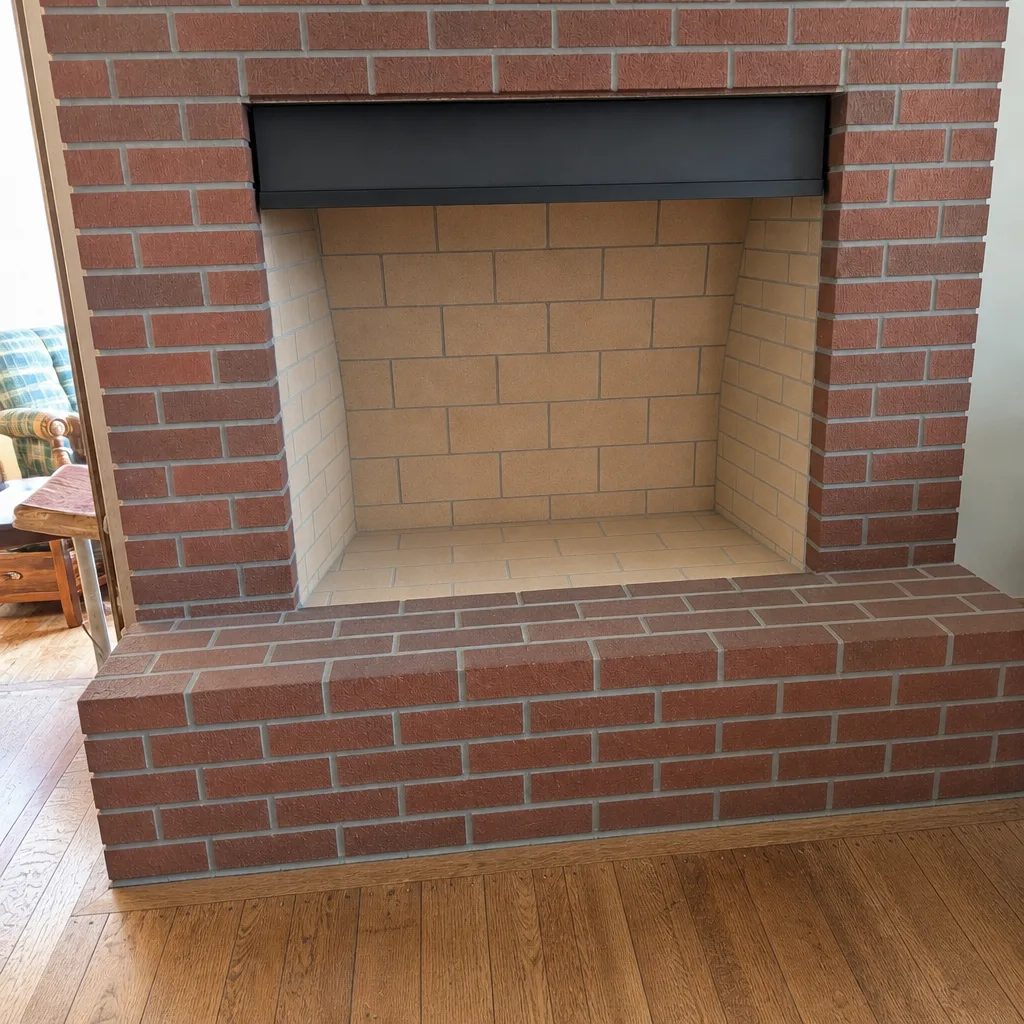
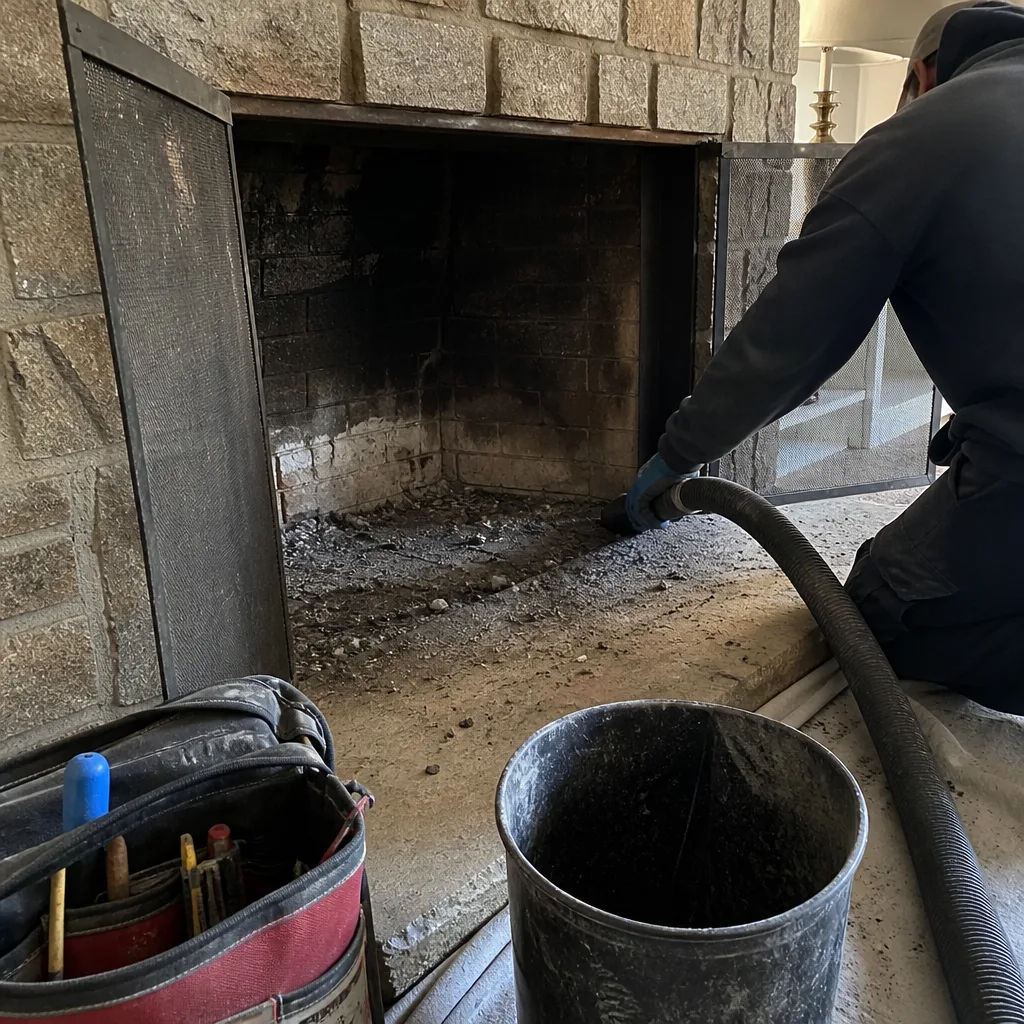
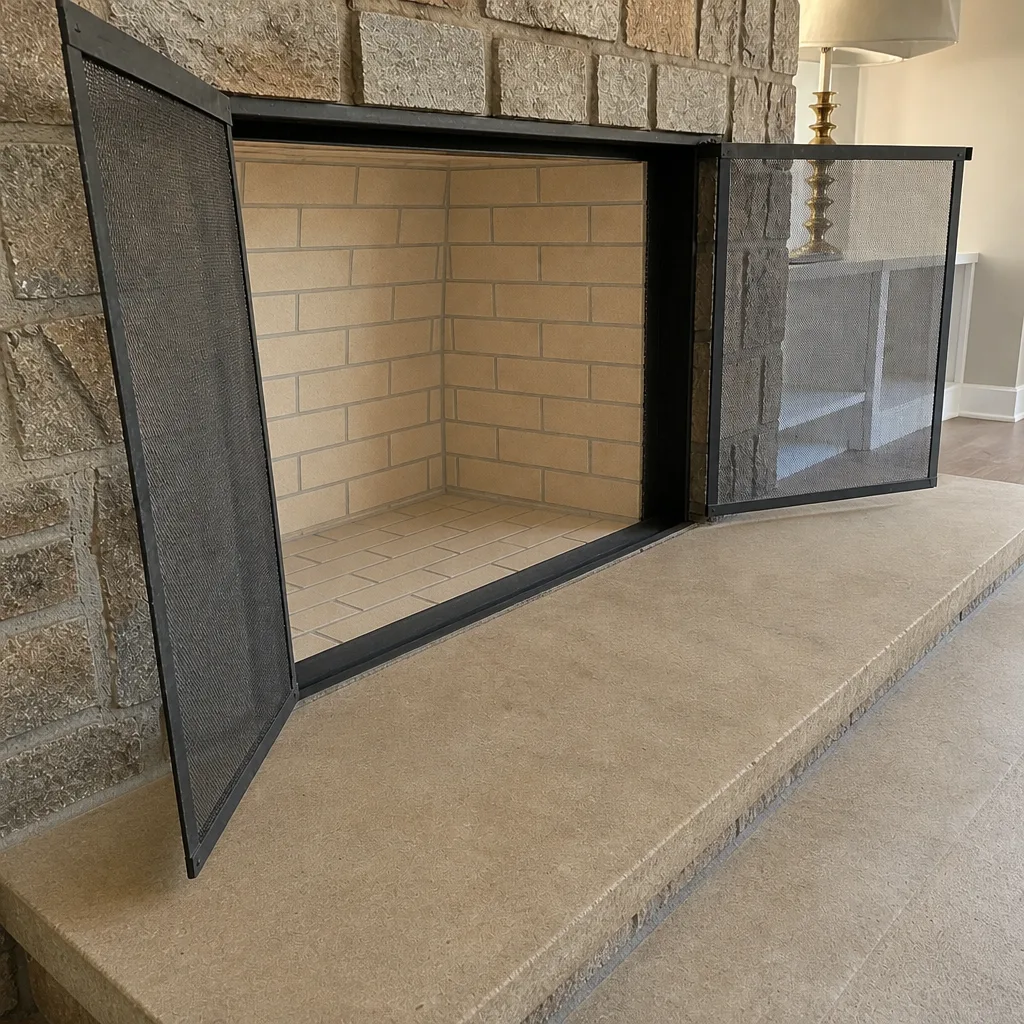
See the difference
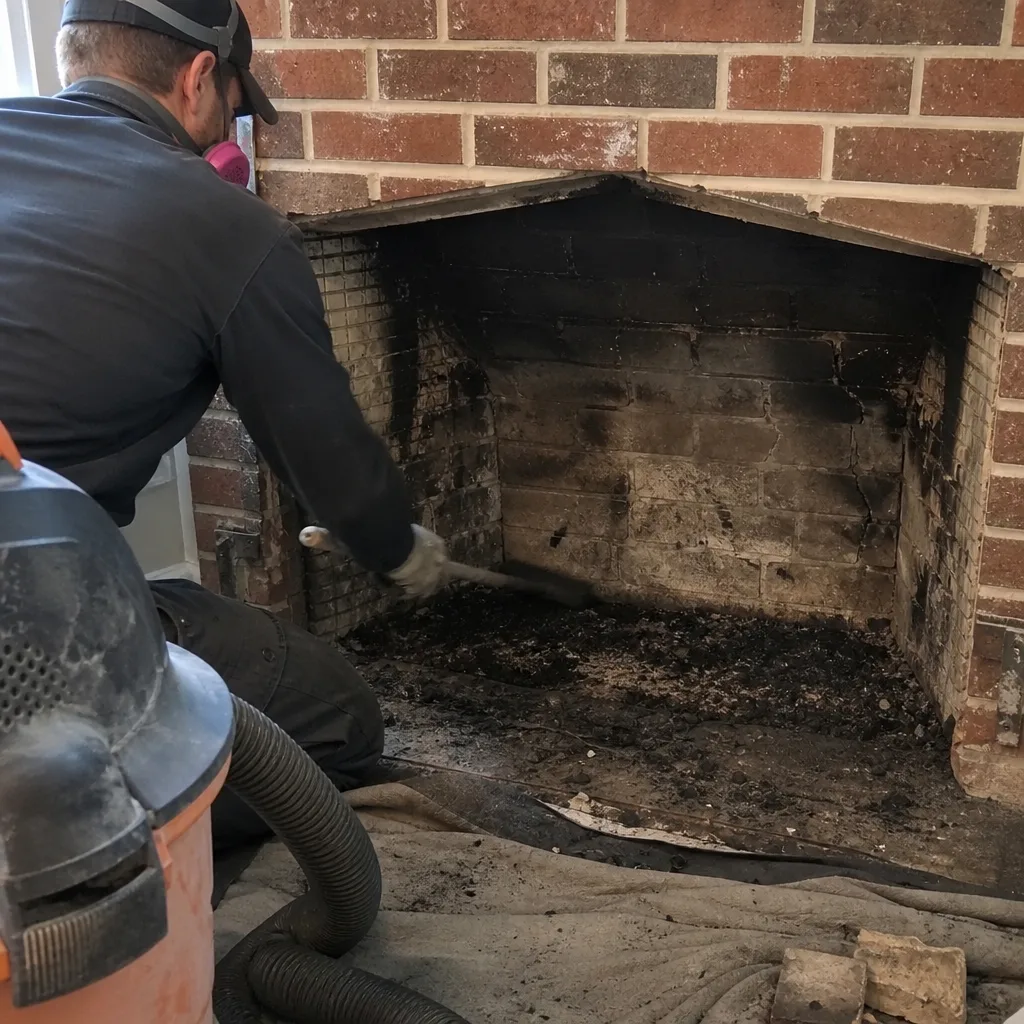 Before
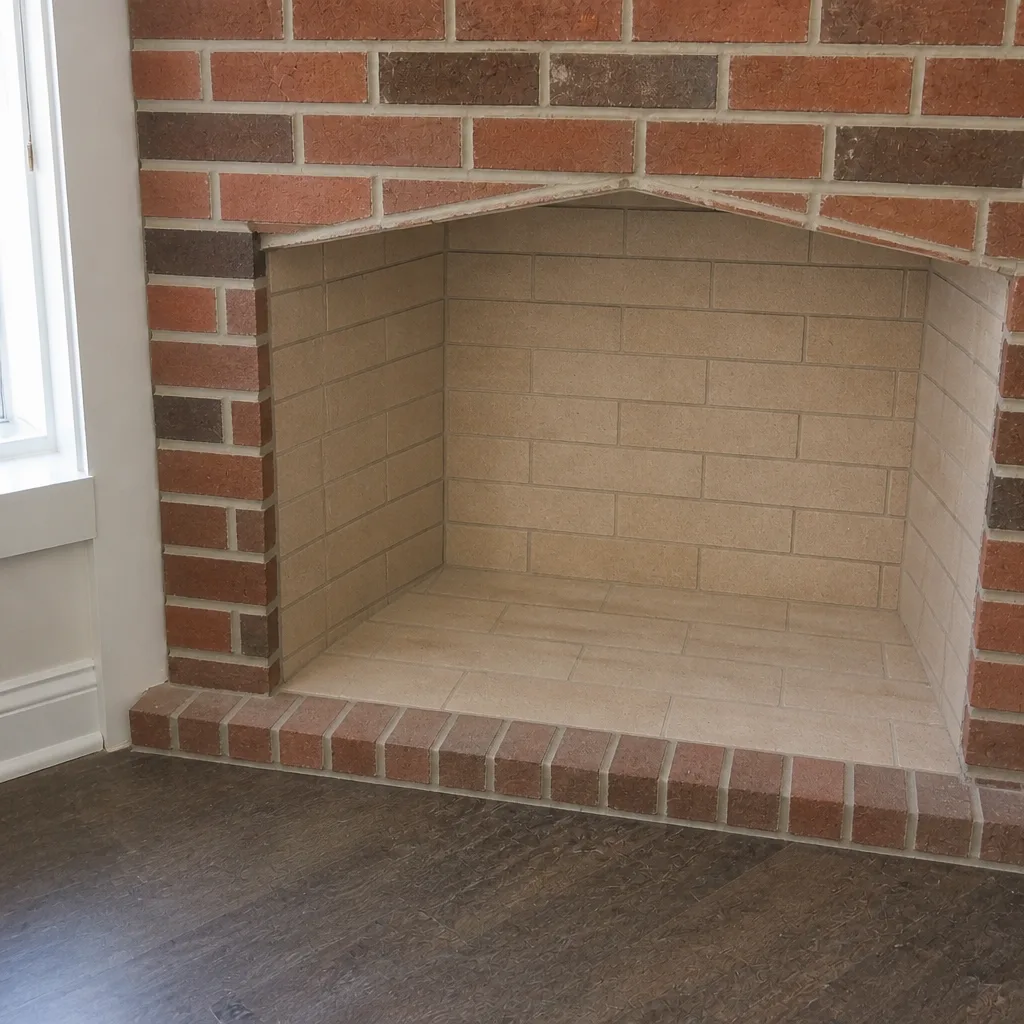 After
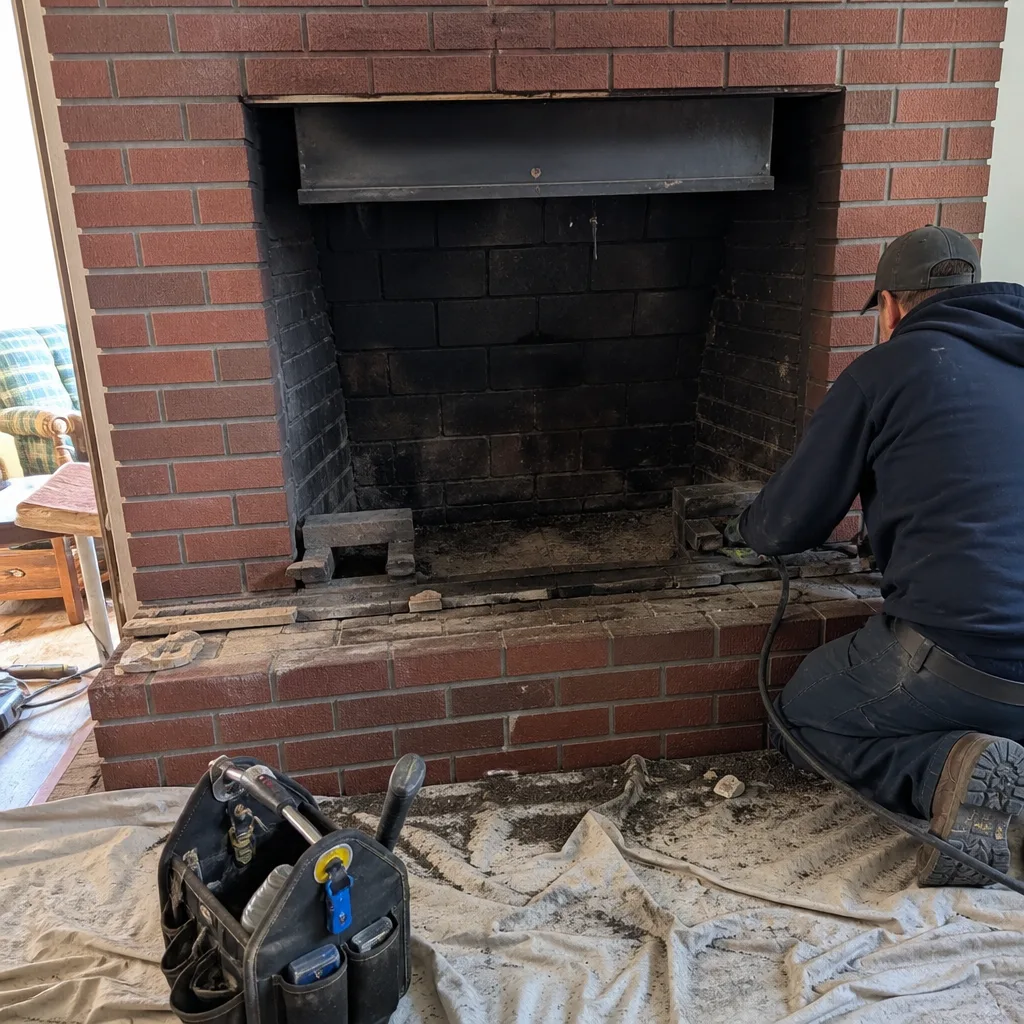 Before
 After
 Before
 After
When to Call a Professional
There are a few situations where the right move is to put the phone down and get out, and a few where the right move is to call us. If you smell smoke in the room with the fireplace burning, if a CO alarm sounds, if you hear the roar or freight-train sound from the flue, or if you see dense black smoke or sparks coming out of the chimney, call 911 first, then call a specialist once the fire department has cleared the scene. If your fireplace has been sitting unused in a home you just bought, if the flue hasn’t been swept in over a year, if you’ve had a chimney fire in the past and haven’t had the chimney inspected since, or if the firebox has cracked firebrick or a damaged damper, call a chimney professional. Chimney Sweep Crabtree offers free estimates in Crabtree. Call (877) 820-9485. We answer 24/7. Fast dispatch from 7am to 7pm, Sunday through Friday.
Frequently Asked Questions
A chimney fire usually sounds like a low roar or a freight train running inside the flue, with a crackling that builds and pops, sometimes loud enough to feel through the floor. That roar is the sound of creosote burning at temperatures over 2,000°F. If you hear it, get everyone out and call 911. When the scene is cleared, call (877) 820-9485 for an inspection before the chimney gets used again.
No. A chimney that has survived a fire needs a Level 2 inspection before it can be used again, even if nothing looks damaged from the room. The damage you can’t see, like a hairline crack in a clay liner or a warped metal flue section, is exactly the damage that lets heat into the framing during the next fire. Call (877) 820-9485 and we’ll put a camera on it and show you what’s there.
Place a CO detector within 10 to 15 feet of each fireplace or wood stove, and add one on every level of the home, especially in the hallway outside sleeping areas. CO mixes with room air rather than pooling, so the point of placement is catching a spill early where people spend time. Avoid the space directly above the fireplace, which tends to false-alarm on smoke. While you’re at it, have a chimney inspection booked before the season starts so the source of a CO spill gets caught before it happens. Call (877) 820-9485.
Smoke backing into the room can mean a blocked flue, a downdraft event, or a fire that’s not drafting correctly, and all three can push carbon monoxide into the living space. Shut the fire down, open a window to clear the room, get people outside if the smoke is heavy, and have the chimney checked before you burn again. Call (877) 820-9485 to schedule an inspection.
For a fireplace used regularly through the heating season, an annual chimney sweep before the burn season starts is the standard. If you burn heavily or burn green or unseasoned wood, you may need more than once a year. A sweep reduces the creosote in the flue, which is the fuel a chimney fire feeds on. When we sweep, we include a camera inspection and a photo report, so you can see for yourself when the next sweep is due. Call (877) 820-9485.
Yes. Gas fireplaces have their own venting and their own CO risks, including cracked heat exchangers, disconnected vents, and blocked flues that can leak carbon monoxide with no visible smoke and no smell. A gas fireplace that’s been maintained and vented properly has a low risk; one that’s sat unserviced for years is worth having looked at. Call (877) 820-9485 to schedule an inspection before the season starts.
The Bottom Line
Chimney emergencies come down to the minutes right after they start. Learn what a chimney fire sounds like, know where your damper is, know where your CO detector is, and know the right order of actions: everyone out first, call 911, close the damper only if it’s safe to reach, never spray water into a hot firebox, and keep the chimney off until a Level 2 inspection clears it. Preparedness closes the gap between recognizing the danger and reacting to it. Prevention closes the gap before it opens. A pre-season chimney sweep and a chimney inspection are the two steps that make a chimney emergency far less likely in the first place. Book the sweep or the inspection before the burn season arrives, and the emergency you’re preparing for is one that likely never starts.
Call (877) 820-9485 for a free estimate. We answer 24/7. Fast dispatch from 7am to 7pm, Sunday through Friday.
Written by the team at Chimney Sweep Crabtree.