
Last updated November 23, 2026
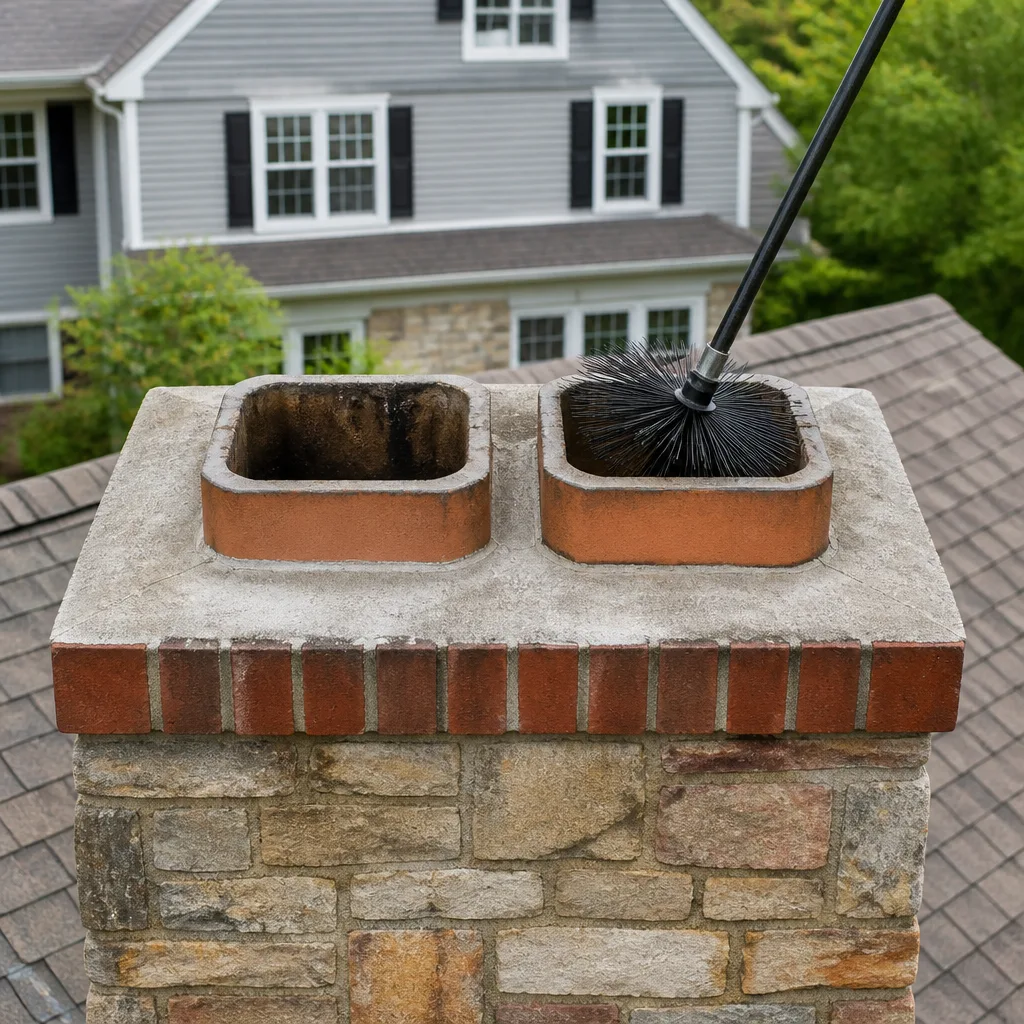 Sweep & inspection
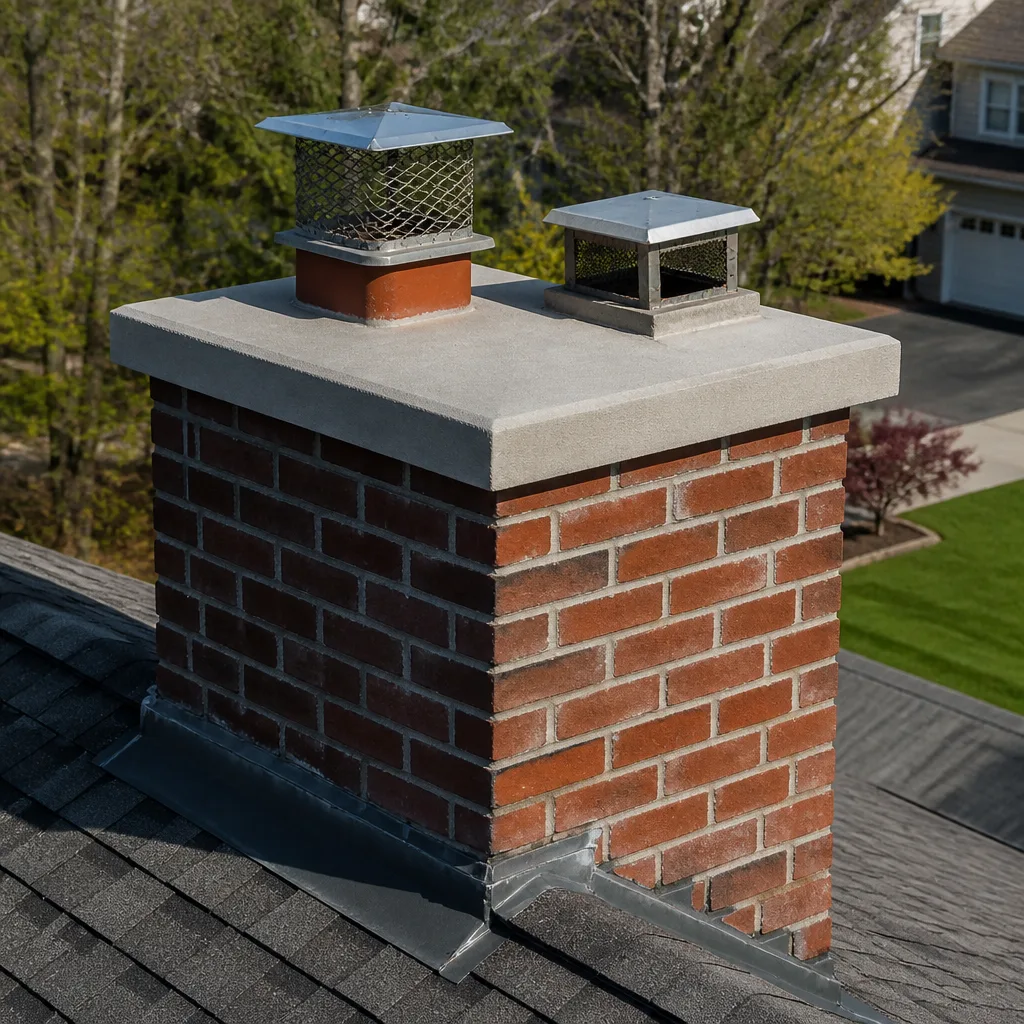 Caps & crowns
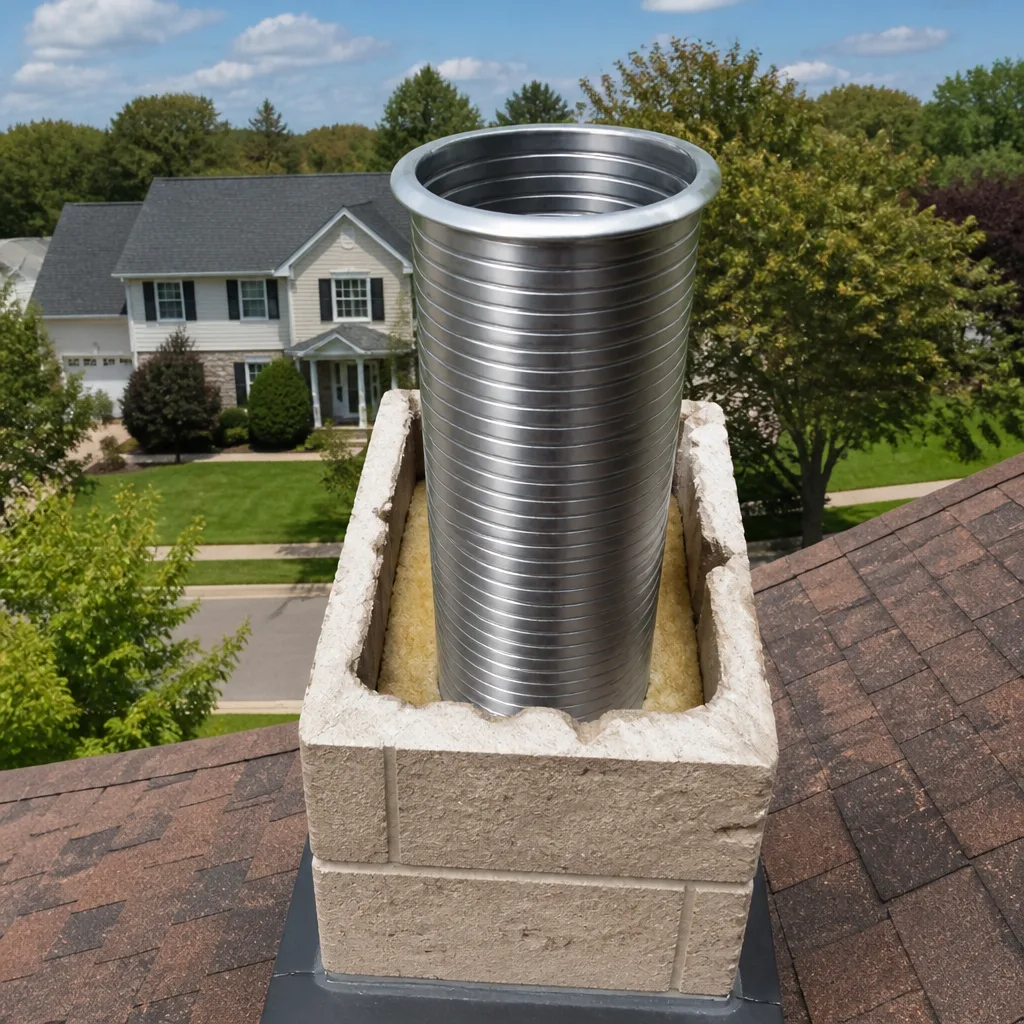 Flue relining
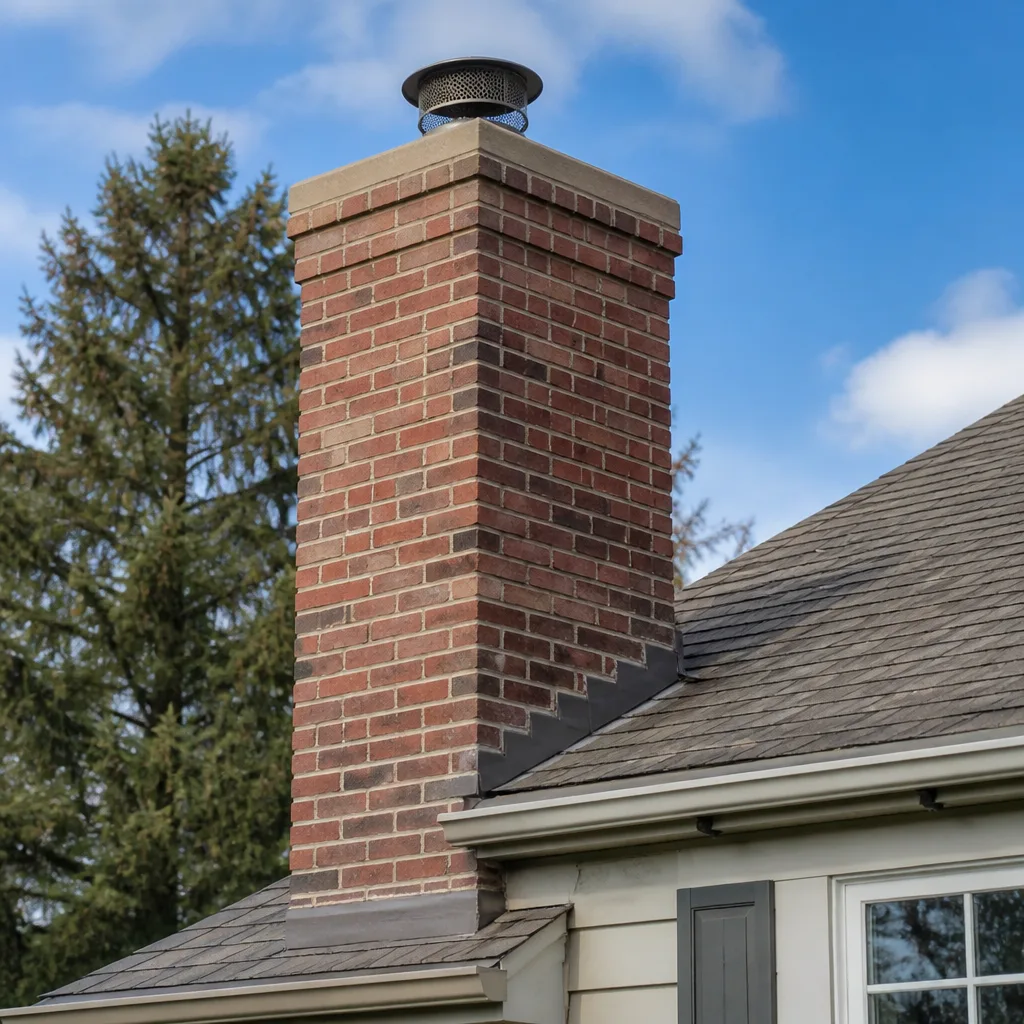 Masonry repair
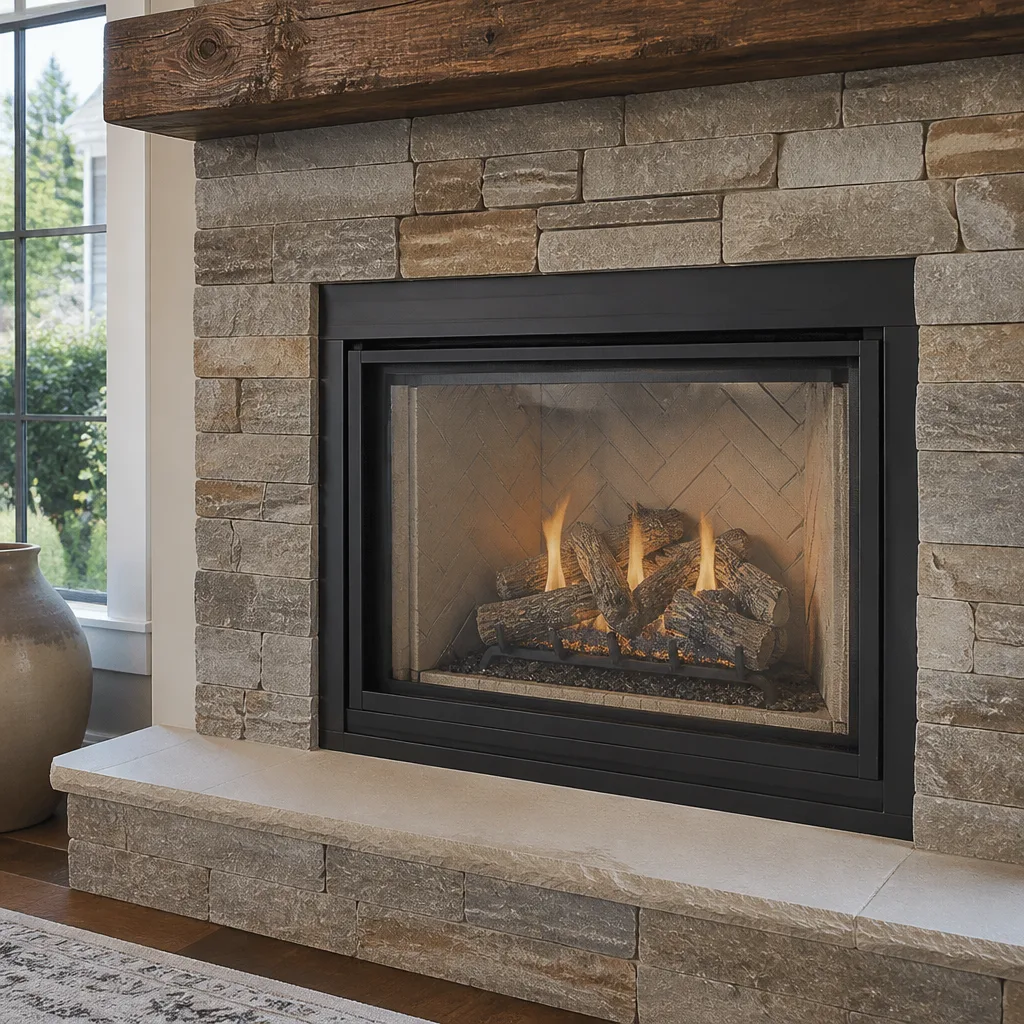 Gas fireplace service
Level 1 sweep and inspection to the NFPA 211 annual standard - flue, crown, cap, and flashing checked and photographed
Chimney sweep logs do not sweep chimneys. They loosen some creosote - which then falls where a brush and vacuum still have to collect it.
Seasonal Chimney Cleaning Care for Crabtree: Year-Round Homeowner’s Guide
Most homeowners in Crabtree treat chimney care as a fall chore. Sweep it before the first fire, forget it until next October. That schedule gets the creosote out, but it misses the season doing the most damage. Summer is harder on Crabtree chimney masonry than winter is. Heat pulls moisture out of masonry that spring rains pushed in, and every wet-then-dry cycle works the mortar joints loose while the flue sits unused. A chimney that only gets attention in autumn is being maintained for one season and neglected for three. This guide walks through what each season asks of a Crabtree chimney, what to watch for, and how to time inspections, sweeps, and repairs so problems get caught while they’re still small and inexpensive.
Quick Answer
Year-round chimney care in Crabtree means matching the work to the season: inspect for moisture and cap damage in spring, schedule masonry and waterproofing repairs in summer while the weather is dry, get a pre-season inspection and sweep before the first fire in fall, and monitor draft, smoke, and creosote during winter burn season. Homeowners who handle each season’s specific threat usually spend less over time than those who rely on a single annual sweep.
Styles & brands we work with
- Sweep & inspection
- Caps & crowns
- Flue relining
- Masonry repair
- Gas fireplace service
Table of Contents
- Spring: What to Check After the Last Fire
- Why Summer Is the Best Window for Chimney Masonry Work in Crabtree
- Fall: Inspection Before Sweep, Every Time
- Winter Burn Season: Reading Your Chimney’s Signals
- Crabtree Firewood and Creosote Timing
- Matching the Repair to the Problem
- Common Mistakes to Avoid
- When to Call a Professional
Spring: What to Check After the Last Fire
The fire season ends, the damper closes, and the chimney becomes invisible for six months. That’s the problem. Spring is when winter’s damage is most visible and least likely to be seen. Before you write the chimney off until fall, look at it as a structure that just went through months of freeze-thaw cycles, snowmelt, and rain.
Three things deserve attention in spring. The first is moisture intrusion. Water stains on the ceiling near the chimney, white chalky deposits on exterior brick, or a musty smell in the room around the fireplace are all signs that water is getting in. That white staining is efflorescence, mineral salts left behind as water moves through masonry and evaporates. It means the brick has been wet, not that it’s ruined, but it needs to be addressed before the next freeze.
The second is your chimney cap and crown. A full winter of weather is hard on the crown, the concrete or masonry surface at the very top of the chimney that sheds water away from the flue. Hairline cracks there let water in every time it rains, and water that enters at the top travels down through the chimney structure. The cap, which keeps rain, animals, and debris out of the flue, can also come loose or rust through. Our chimney cap & crown work addresses exactly these failures, and spring is the right time to catch them.
The third is the flue liner. A liner that developed a crack or gap over the winter doesn’t announce itself. What you look for instead is corrosion on a metal liner, visible seams or deterioration at the top, or crumbling clay tiles if you can see down the flue. Any of these means combustion gases may be leaking into the house rather than going up and out. That’s a safety issue, not a maintenance one, and it’s why a spring inspection is worth scheduling before summer.
Why Summer Is the Best Window for Chimney Masonry Work in Crabtree
Masonry repair needs dry, consistent weather to cure properly. That narrows the window, and in Crabtree, summer is it. Mortar, crown repair, and waterproofing all need to set without rain soaking them, and summer gives the longest reliable stretch of that. Spring rains are still working through the brick, and fall is too close to heating season to leave repairs unfinished.
There’s a second reason summer matters: scheduling. Because summer is when the smart window opens, it’s also when the calendar gets tight. Homeowners who wait until September to call discover that everyone else had the same idea at the same time. If you know you need masonry work, waterproofing, or a crown rebuild, booking it earlier in the summer gives the repair time to cure before the first fire.
Summer waterproofing is more than a sealant spray. Breathable masonry water repellent protects brick from rain while still allowing moisture that’s already inside to escape. Sealing a damp chimney with a product that traps moisture makes the problem worse, not better. If your chimney has shown signs of water problems, the repair should come first, then the waterproofing. The order matters.
This is also the season to think about liner work if your inspection showed damage. A factory-engineered flexible liner is a different job from patching a failing one, and it’s best done before the heating season begins. Choosing the right product depends on the flue, so that decision belongs in a conversation with a specialist, not a hardware aisle.
Fall: Inspection Before Sweep, Every Time
Homeowners often book a sweep and assume the inspection comes with it. Sometimes it does, but the order matters more than the bundle. You want the inspection first, because you need to know what you’re dealing with before anyone starts brushing. A sweep clears creosote. An inspection tells you whether the flue, cap, crown, and firebox are sound enough to use this season at all.
The right sequence before the first fire of the year:
- Schedule an inspection. This is a standalone service, and it’s the starting point whether you’ve owned the home for years or just bought it.
- Get the findings in writing, with photos. You should see what the technician saw, not just hear about it.
- Sweep, if the inspection calls for it. Not every flue needs a sweep every year. The inspection determines that, based on how much creosote is present and what type.
- Handle any repairs while the weather allows. A cracked crown or loose cap found in fall is better fixed in the next dry stretch than carried into winter.
- Do the first burn with attention. A small test fire lets you check draft and smoke behavior before you’re relying on the fireplace through the cold months.
For homeowners who’ve just bought a home with a chimney, the pre-season inspection is the first thing to book. Previous owners may have burned wet wood for years, or skipped maintenance entirely. An inspection tells you what you actually have. Our Chimney Sweep Crabtree team treats inspection as the foundation of everything else, which is why we offer it as a standalone service.
Winter Burn Season: Reading Your Chimney’s Signals
Once the heating season starts, your chimney is talking to you. Draft changes, new smells, or smoke where there shouldn’t be any are signals worth paying attention to. None of them mean panic. All of them mean something.
- Weak draft or smoke spilling into the room. A fire that used to light easily and now smokes back into the room may be dealing with a partially blocked flue, a closed or faulty damper, or a pressure problem in the house. Stop using the fireplace and get it checked.
- A strong, sharp smell when the chimney is cold. That’s often creosote off-gassing, and it tends to get worse as the season goes on. A smoky smell that’s stronger than before is a signal the flue needs attention.
- Visible smoke from cracks in the chimney structure. Smoke leaking out anywhere other than the top of the chimney is a sign combustion gases are escaping into the house. That’s a stop-and-get-it-checked situation, especially with the carbon monoxide risk any combustion appliance carries.
- Creosote buildup you can see. If the flue is visibly coated, especially with a shiny, tar-like glaze, that’s the most combustible form of creosote and it needs a professional.
Mid-season is not the time for a full sweep unless an inspection calls for one. It is the time to notice changes and act on the ones that matter. If in doubt, call and describe what you’re seeing.
Crabtree Firewood and Creosote Timing
What you burn determines how fast creosote builds, and creosote buildup sets the clock on when your next sweep is due. The mix of wood matters as much as the wood itself. Oak is dense and burns hot, and well-seasoned oak produces less creosote than unseasoned wood of any kind. Pine burns fast and hot, and while it’s not the creosote villain some people claim, it does produce more when it’s green or when it’s burned at low temperatures with the damper nearly closed.
The variable that matters most is moisture content. Wood that hasn’t dried properly burns cool and produces more creosote, no matter the species. Seasoned wood, split and stacked with air moving through it, burns hotter and cleaner. In Crabtree, that means knowing what you’re burning before you light the first fire of the season. If your wood was cut recently or has been stacked under a tarp with no airflow, treat it as wet and expect faster creosote buildup.
Burning habits matter too. A smoldering, low-temperature fire with a choked damper pushes more creosote into the flue than a hot, well-ventilated burn. Occasional hot burns help, but they’re not a substitute for a professional sweep. If you’re burning a lot of mixed wood or a lot of pine, watch the flue more closely and don’t stretch the interval between sweeps on the assumption that last year’s schedule still applies.
Matching the Repair to the Problem
Not every chimney problem means relining. One of the reasons we source from a specific roster of manufacturers is that the right repair depends on what the inspection finds. A firebox that’s cracked and spalling doesn’t necessarily need a new liner. A flue liner with gaps doesn’t necessarily need a full rebuild. Matching the repair to the actual damage keeps costs proportionate to the problem.
Our fireplace repair work often comes down to the firebox and its refractory materials. For firebox and flue liner restoration, we use HeatShield, a ceramic resurfacing system that restores damaged surfaces without a full reline. It’s a repair option most general contractors simply don’t have, and it’s one of the reasons chimney work belongs with a chimney specialist rather than a handyman.
When a liner is beyond restoration, a full reline is the answer. Factory-engineered flexible liner systems are designed for exactly this job, and the result is a chimney that performs like it should rather than one patched together on-site. Cap and crown failures get their own repair: crown cracks sealed and rebuilt, loose or missing caps replaced with a properly fitted model.
The principle is simple. Fix what’s actually damaged, in the order that makes sense, with products made for chimney work specifically. That’s the difference between a repair and a patch.
Common Mistakes to Avoid
- Skipping spring entirely. If the chimney only gets attention in fall, water damage from winter and spring has months to spread before anyone sees it. A spring check catches it while it’s cheap to fix.
- Sealing a wet chimney. Waterproofing a masonry structure that still holds moisture traps the water inside. Let it dry, fix the source, then waterproof.
- Booking a sweep without an inspection. You need to know what’s in the flue and what shape the structure is in before brushing. Inspection first, always.
- Assuming last year’s schedule still fits. How you burn changes from year to year. A lot of pine or unseasoned wood moves your next sweep up; a light, dry-wood season may not need one.
- Burning wet wood because it’s convenient. Unseasoned wood is the single biggest driver of creosote buildup, and it costs you more over the season in extra sweeps and potential repairs.
- Ignoring a hairline crown crack. Small cracks let water in every rain, and water at the top of the chimney works its way down. It’s one of the least expensive fixes on a chimney and one of the most expensive to skip.
- Calling a generalist for chimney work. Chimney repair involves materials and systems a general contractor doesn’t work with regularly. A specialist knows the difference between a liner that can be restored and one that needs replacing.
See the difference
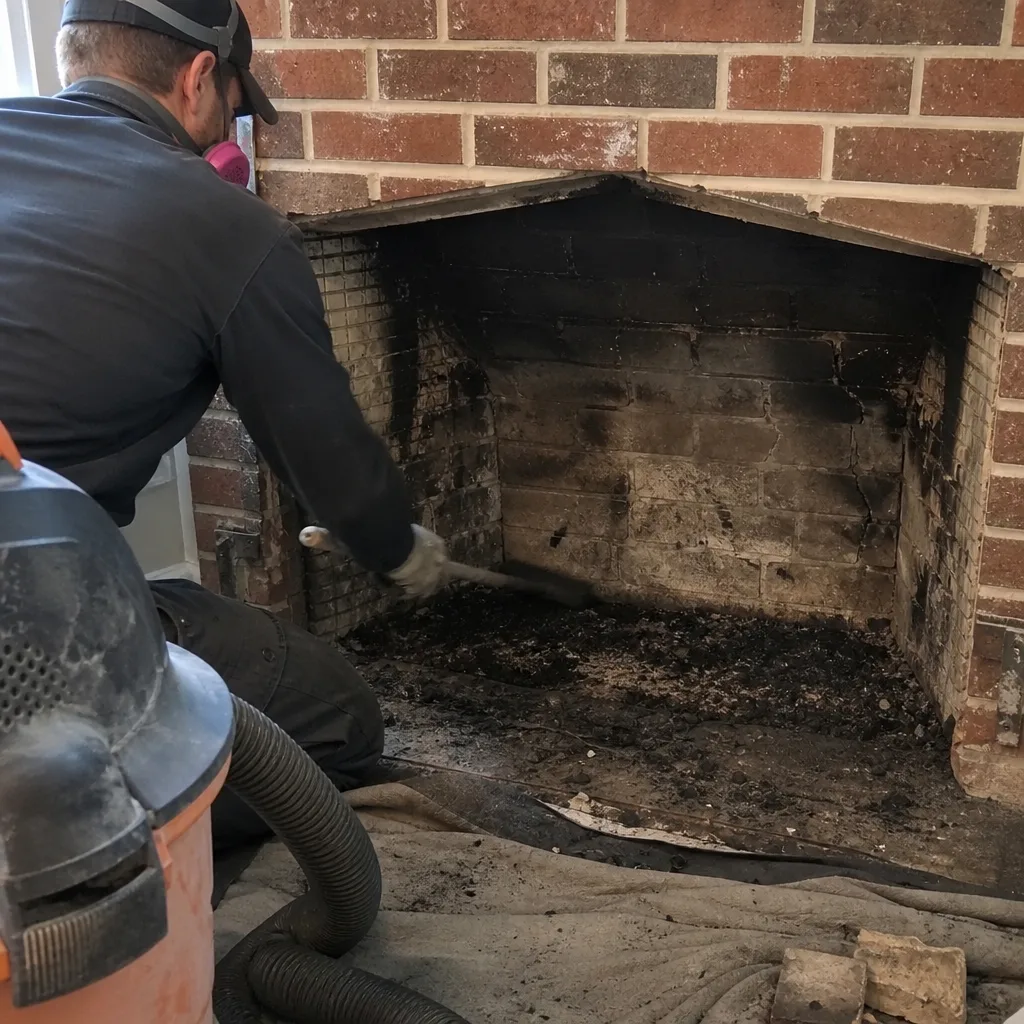 Before
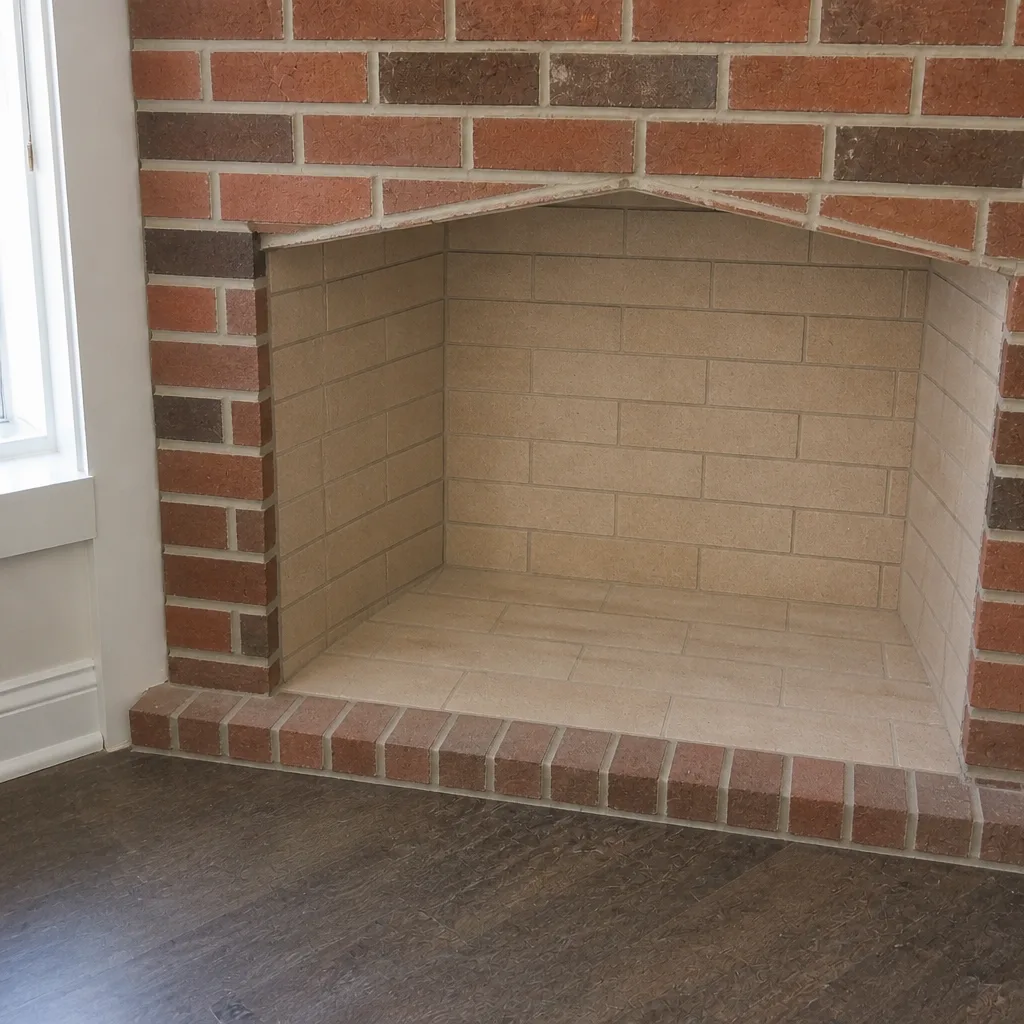 After
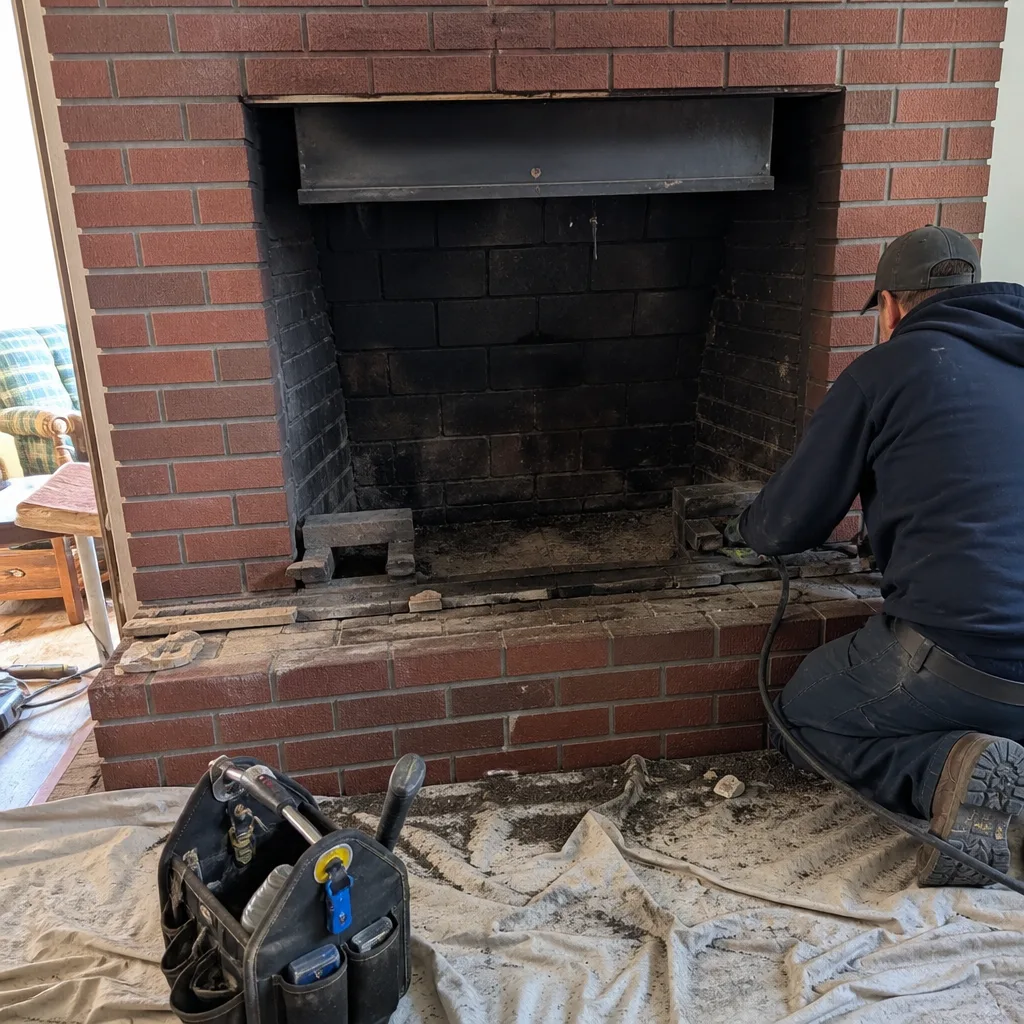 Before
 After
 Before
 After
When to Call a Professional
Some things are a seasonal checklist item. Others are a call. Get a professional involved if you’ve never had the chimney inspected, if you’ve just bought a home with a fireplace, or if it’s been more than a year since a sweep. Call right away if you see smoke escaping anywhere other than the top of the chimney, if the fire won’t draft properly, if you smell gas or see soot falling, or if a chimney fire has happened. Creosote that looks glazed or tar-like is a professional-only situation. Any sign of water intrusion is worth a look before it becomes a structural problem. Chimney Sweep Crabtree offers free estimates in Crabtree. Call (877) 820-9485. We answer 24/7. Fast dispatch from 7am to 7pm, Sunday through Friday.
Frequently Asked Questions
Most chimneys should be inspected once a year and swept when the inspection shows enough creosote buildup to warrant it. Heavy burners, or anyone burning a lot of pine or unseasoned wood, may need a sweep more often than that. The right interval is based on the flue, not the calendar. Call (877) 820-9485 for an inspection and a straight answer on timing.
Summer gives masonry the longest stretch of dry, warm weather to cure, and it leaves time for repairs to finish before the first fire of fall. It’s also when the best scheduling window opens, so booking early in the season is easier than trying in September. Call (877) 820-9485 to get on the schedule.
Inspection first. The inspection determines whether a sweep is needed and reveals problems a sweep alone would miss, including liner damage and cap or crown failures. Doing it in that order tells you what you’re dealing with before anyone starts work. Call (877) 820-9485 to schedule an inspection.
Watch for water stains on the ceiling near the chimney, white chalky staining on exterior brick, a musty smell around the fireplace, or rust on a metal firebox component. Any of these means water has been getting in and should be checked. Call (877) 820-9485 for an assessment.
Unseasoned wood of any species produces more creosote than properly dried wood, because it burns cool and leaves more deposits behind. Pine burns hot but produces more when it’s green or burned with the damper choked. Seasoning and burning habits matter more than the wood type alone. Call (877) 820-9485 for advice on your flue.
Often, yes. Ceramic resurfacing systems like HeatShield can restore many firebox and flue liner surfaces without a full reline, while a liner that’s beyond repair needs a factory-engineered replacement. The inspection tells you which category you’re in. Call (877) 820-9485 for an honest assessment.
The Bottom Line
Chimney care in Crabtree isn’t a single annual event. Each season brings its own risks, and the homeowners who handle them in sequence spend less over time than those who wait for fall. Spring is for spotting water intrusion and cap or crown damage. Summer is the window for masonry repair and waterproofing, and it books up fast. Fall is inspection before sweep, in that order. Winter is for watching draft, smoke, and creosote. Crabtree’s firewood mix and its wet springs set the pace of buildup, and knowing what you’re burning is the start of knowing when to call. Call (877) 820-9485 for a free estimate. We answer 24/7. Fast dispatch from 7am to 7pm, Sunday through Friday.
Written by the team at Chimney Sweep Crabtree.